BJP on 117-signatory India-Pak appeal: Peace and terrorism cannot coexist
Synopsis
A joint appeal by 117 Indian and Pakistani personalities urging PM Modi and Pakistan PM Sharif to revive dialogue has drawn a firm BJP pushback — peace and terrorism cannot go together, the party insists. With historical overtures like Vajpayee's Delhi-Lahore bus service cited as cautionary precedents, New Delhi's preconditions for engagement remain unchanged.
Key Takeaways
117 eminent personalities — 61 Indians and 56 Pakistanis — jointly appealed to PM Modi and Pakistan PM Shehbaz Sharif to revive bilateral dialogue on 2 July .
The BJP reiterated that peace and terrorism cannot coexist, conditioning any talks on an end to cross-border terrorism and infiltration.
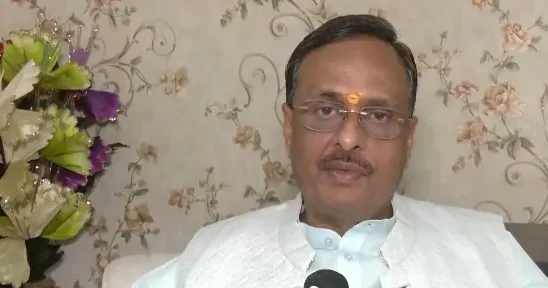
BJP Rajya Sabha MP Dinesh Sharma said India is willing to maintain cordial relations if Pakistan ensures no cross-border terrorism or infiltration.
The appeal was issued by the Centre for Peace and Progress and included signatories such as Farooq Abdullah , Mehbooba Mufti , and Pakistan's Khurshid Mahmud Kasuri .
BJP leader Narayan Dutt Tripathi recalled Atal Bihari Vajpayee's past peace initiatives, noting Pakistan's failure to honour commitments has historically been the core challenge.
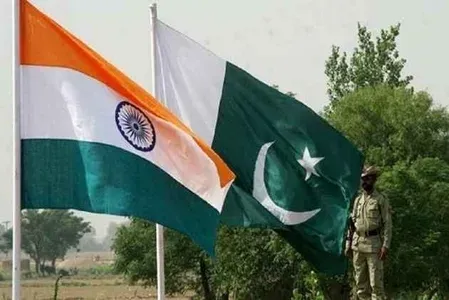
The Bharatiya Janata Party (BJP) on Thursday, 2 July firmly reiterated India's long-standing position that peace and terrorism cannot coexist, responding to a joint appeal by 117 eminent personalities from India and Pakistan urging Prime Minister Narendra Modi and Pakistan Prime Minister Shehbaz Sharif to revive bilateral dialogue and restore diplomatic engagement.
BJP's Core Response
BJP Rajya Sabha MP Dinesh Sharma acknowledged such initiatives while insisting the message must travel both ways. 'Those who have made this appeal should also go to Pakistan and convey the same message there. India has never said that it does not want good relations with any of its neighbours. Our only condition is that there should be no cross-border terrorism or infiltration. If that is ensured, India is always willing to maintain cordial relations,' Sharma said.
BJP leader Vijay Sampla echoed the sentiment, saying the appeal may have merit but meaningful dialogue requires an atmosphere free from terrorism. 'These people's demands may be justified, but India has made its position absolutely clear that peace and terrorism cannot go together. India is a peace-loving nation, but before any dialogue can take place, an environment of trust and security must first be established,' he said.
Historical Precedents and Credibility Questions
BJP leader Narayan Dutt Tripathi drew on history to contextualise the challenge, noting that similar overtures have been attempted before. 'Everyone has the right to express their own opinion. Similar efforts have been made in the past as well. Former Prime Minister, late Atal Bihari Vajpayee took several initiatives to improve ties with Pakistan. He even launched the Delhi-Lahore bus service and visited Pakistan. Dialogue itself is not a bad thing, but the question remains whether Pakistan will honour its commitments. That has always been the challenge,' Tripathi said.
This is not the first time civil society voices from both nations have called for a reset — similar appeals followed the 2016 Uri attack and the 2019 Pulwama-Balakot escalation. Each time, the Indian government's response has hinged on Pakistan's demonstrated action against cross-border militant networks.
Peace, Sovereignty, and Diplomatic Vigilance
Bihar Minister Dilip Jaiswal said India has always stood for peace and harmony. 'India believes in peace and is recognised across the world as a messenger of peace. We aspire to become a Vishwaguru through peace and coexistence. The world must understand that lasting progress is possible only through peace and not through war,' he said.
BJP National Spokesperson Guru Prakash underlined that the government remains alert to all diplomatic developments. 'The government is sensitive to every issue, and the Ministry of External Affairs closely monitors developments. Citizens have every right to express their opinions. However, the government will always move forward while protecting the country's respect, dignity and sovereignty,' he said.
About the Joint Appeal
The appeal was issued by the Centre for Peace and Progress and signed by 61 Indians and 56 Pakistanis. It called on both governments to end prolonged hostility, arguing that continued tensions were depriving millions of young people of opportunities, prosperity and a secure future.
Among the Indian signatories were National Conference chief Farooq Abdullah, separatist leader Mirwaiz Umar Farooq, Peoples Democratic Party (PDP) president Mehbooba Mufti, Rashtriya Janata Dal (RJD) MP Manoj Jha, and former All India Trinamool Congress (TMC) minister Humayun Kabir, now associated with the AJUP. Pakistani signatories included former Foreign Minister Khurshid Mahmud Kasuri, former diplomat Ashraf Jehangir Qazi, National Assembly member Isphanyar Bhandara, and nuclear physicist Pervez Hoodbhoy.
As diplomatic channels between the two neighbours remain largely frozen, the BJP's response signals that New Delhi is unlikely to shift its preconditions for engagement in the near term.
Point of View
Not dismissive — it does not reject dialogue outright but insists on a precondition that Pakistan has historically been unable or unwilling to meet. Invoking Vajpayee's legacy is a double-edged move: it signals openness to the idea of peace while reminding the audience that past goodwill gestures were not reciprocated. The real significance of the 117-signatory appeal lies not in its immediate policy impact — which is minimal — but in the cross-border civil society consensus it represents, including voices from Kashmir's political spectrum. That dimension deserves more scrutiny than the BJP's boilerplate response typically receives.
NationPress
1 Oct 2026
Frequently Asked Questions
What was the joint appeal signed by 117 personalities about?
The appeal, issued by the Centre for Peace and Progress, was signed by 61 Indians and 56 Pakistanis urging Prime Minister Narendra Modi and Pakistan PM Shehbaz Sharif to revive bilateral dialogue and restore normal diplomatic relations. It argued that prolonged hostility was depriving millions of young people of opportunities and a secure future.
How did the BJP respond to the India-Pakistan dialogue appeal?
The BJP reiterated that peace and terrorism cannot coexist, conditioning any dialogue on Pakistan ending cross-border terrorism and infiltration. Multiple BJP leaders, including Rajya Sabha MP Dinesh Sharma and spokesperson Guru Prakash, said India is open to cordial relations but only in an environment of trust and security.
Who were the prominent Indian signatories of the appeal?
Indian signatories included National Conference chief Farooq Abdullah, separatist leader Mirwaiz Umar Farooq, PDP president Mehbooba Mufti, RJD MP Manoj Jha, and former TMC minister Humayun Kabir. The Pakistani side included former Foreign Minister Khurshid Mahmud Kasuri and nuclear physicist Pervez Hoodbhoy.
What historical precedent did the BJP cite regarding India-Pakistan talks?
BJP leader Narayan Dutt Tripathi referenced former Prime Minister Atal Bihari Vajpayee's initiatives, including the Delhi-Lahore bus service and his visit to Pakistan, as examples of past goodwill gestures. Tripathi noted that the enduring challenge has been whether Pakistan honours its commitments.
What is India's current official position on resuming talks with Pakistan?
India's position, as reiterated by the BJP on 2 July, is that meaningful dialogue can only take place once an environment free from cross-border terrorism and infiltration is established. The Ministry of External Affairs, according to BJP National Spokesperson Guru Prakash, closely monitors all diplomatic developments while prioritising national sovereignty.