Rahul Gandhi's Pakistan, India remarks 'irresponsible': Karnataka BJP
Synopsis
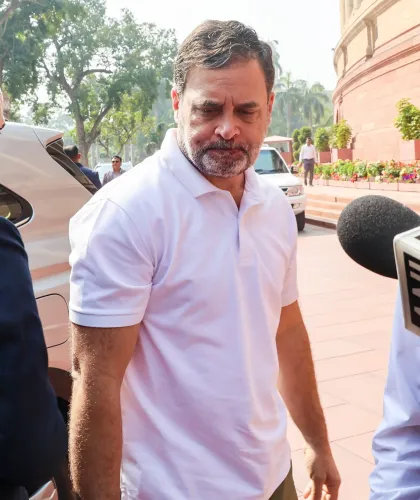
Rahul Gandhi's Chicago remark that Pakistan was mediating US-Iran talks while India was a 'side player' has set off a political firestorm. Karnataka BJP's R. Ashoka has called it 'irresponsible' and alleged it reflects a pattern of Congress using foreign platforms to undermine India — a charge the exchange makes it harder for Congress to dismiss.
Key Takeaways
Karnataka BJP leader R.
Ashoka on 21 November 2026 accused Rahul Gandhi of undermining India's global reputation through remarks made abroad.
Gandhi had reportedly said at the University of Chicago on 18 November 2026 that he was 'pretty shocked' Pakistan was negotiating US-Iran talks while India remained a 'side player'.
Gandhi also raised concerns about India's electoral process, alleging irregularities in past elections including the 2014 Lok Sabha polls .
Ashoka alleged Congress, out of power at the Centre for 12 years , was prioritising political frustration over national interest.
BJP warned voters would deliver a 'clear response' to what it called 'anti-national actions' by the Congress.
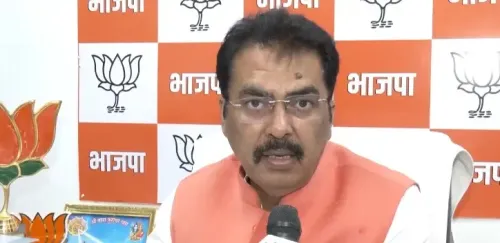
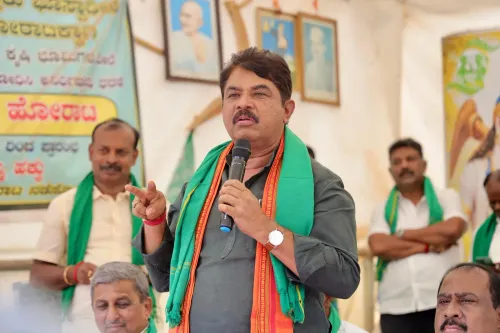
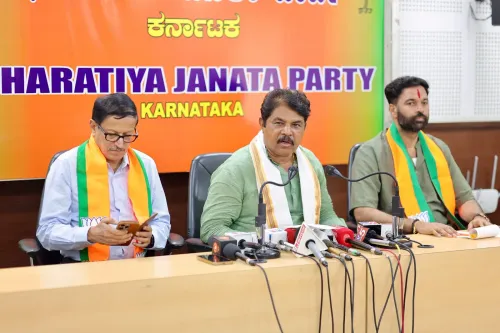
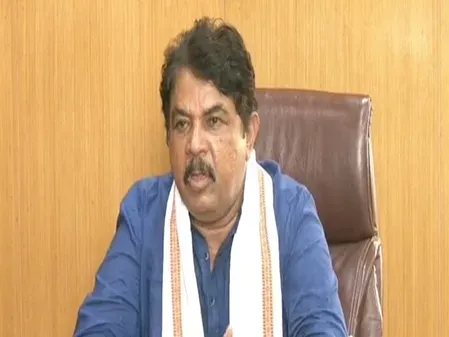
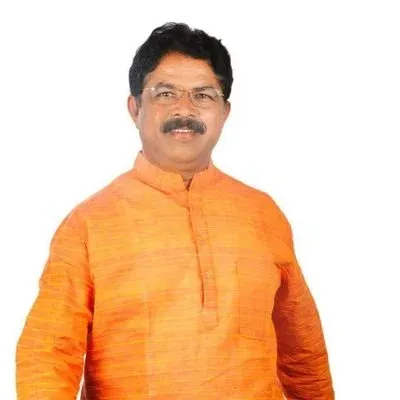
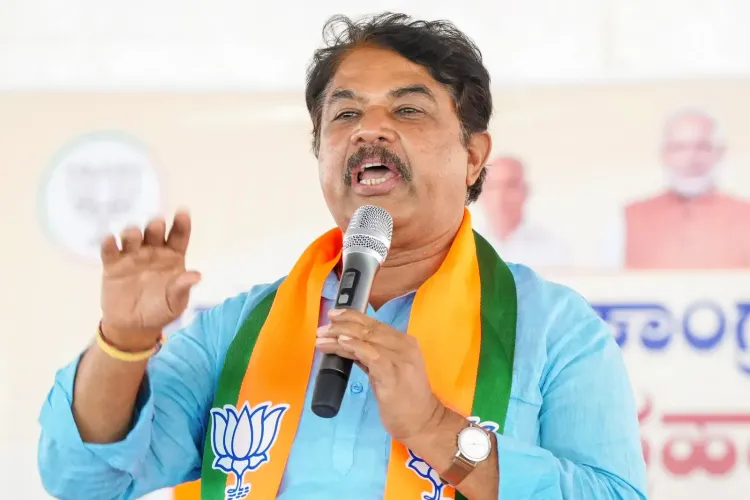
Senior Bharatiya Janata Party (BJP) leader and Karnataka Leader of the Opposition R. Ashoka on Saturday, 21 November 2026, accused Congress leader and Lok Sabha Leader of the Opposition Rahul Gandhi of repeatedly undermining India's global reputation through remarks made on foreign soil. Ashoka alleged that criticising India's diplomatic achievements while reportedly praising Pakistan's role in international affairs had become a deliberate political agenda of the Congress.
What Triggered the Reaction
The BJP's sharp response came after Rahul Gandhi's interaction at the University of Chicago on 18 November 2026, where he reportedly expressed surprise that Pakistan was playing a mediating role in US-Iran negotiations while India, in his words, remained a 'side player' in global politics. Gandhi also raised concerns about India's electoral process and alleged irregularities in past elections, including the 2014 Lok Sabha polls, and questioned voter roll discrepancies and Special Intensive Revision (SIR) issues.
Ashoka's Allegations Against Gandhi and Congress
In a formal statement, Ashoka termed Gandhi's comments 'highly irresponsible and unbecoming of a Leader of the Opposition.' He questioned whether making statements that damage India's dignity, reputation, and global standing on foreign platforms had become the political agenda of Rahul Gandhi and the Congress party.
Ashoka alleged this was not an isolated incident, claiming Gandhi had repeatedly made 'questionable remarks' on international platforms about India's democracy, electoral system, economic progress, and internal affairs. 'Raising questions about India's affairs on international platforms and making statements that damage the country's reputation goes beyond the limits of political criticism,' Ashoka said.
Congress Accused of Prioritising Power Over National Interest
Ashoka further alleged that the Congress, which has remained out of power at the Centre for the last 12 years, was attempting to create confusion among people and undermine the country's achievements instead of rebuilding public confidence. He argued that while a constructive opposition had the democratic responsibility to question government shortcomings, making statements that diminish India's global standing could not be considered responsible politics.
'The people of the country are closely observing such politics and will give a clear response to these anti-national actions in the days to come,' Ashoka said, in a pointed warning to the Congress.
What Gandhi Actually Said in Chicago
Speaking at the University of Chicago, Gandhi said he was 'pretty shocked' that Pakistan was reportedly negotiating between Iran and the United States while India remained on the sidelines, arguing that India should be more actively involved in global conversations. He also stated that the Opposition would continue contesting elections rather than boycotting them, while alleging that the Election Commission had, in his claim, shared information with the Opposition from within the system. These remarks have drawn significant political heat from the ruling BJP at both the national and state levels.
The Broader Pattern
This is not the first time Gandhi's overseas statements have triggered a sharp BJP backlash. Critics from the ruling party have repeatedly accused the Congress leader of using foreign platforms to air domestic political grievances, a charge the Congress has consistently dismissed as an attempt to stifle legitimate dissent. The latest exchange reflects the deepening fault lines between the two parties over what constitutes acceptable opposition discourse on the global stage.
Point of View
But the political risk for Congress is real. When a Leader of the Opposition frames India as a 'side player' on a foreign platform — even as a critique — it hands the ruling party a ready-made nationalist narrative heading into future electoral cycles. What mainstream coverage underplays is the substance of Gandhi's underlying point: India's relative absence from the US-Iran diplomatic track is a legitimate foreign policy question. The problem is that the forum and framing obscure the argument, making it easier to attack the messenger than engage with the message. For Congress, the challenge is not whether Gandhi can speak freely abroad — he can — but whether the optics of doing so continue to cost more than the content gains.
NationPress
21 Nov 2026
Frequently Asked Questions
What did Rahul Gandhi say at the University of Chicago that triggered the BJP's response?
Speaking at the University of Chicago on 18 November 2026, Gandhi said he was 'pretty shocked' that Pakistan was reportedly playing a mediating role in US-Iran negotiations while India remained a 'side player' in global politics. He also raised concerns about India's electoral process and alleged irregularities in past elections, including the 2014 Lok Sabha polls.
Who is R. Ashoka and why did he react?
R. Ashoka is a senior BJP leader and the Leader of the Opposition in the Karnataka Legislative Assembly. He reacted to Gandhi's Chicago remarks by issuing a formal statement alleging that the Congress leader was undermining India's diplomatic standing and global reputation through repeated overseas remarks.
What specifically did Ashoka allege against Congress?
Ashoka alleged that Congress, which has been out of power at the Centre for 12 years, was using foreign platforms to create confusion and undermine India's achievements rather than rebuilding public confidence. He claimed Gandhi's remarks on Pakistan, elections, and India's global role reflected a pattern of prioritising political frustration over national interest.
Is this the first time Gandhi's overseas statements have caused controversy?
No. According to Ashoka and BJP leaders, this is part of a repeated pattern where Gandhi has used international platforms to raise concerns about India's democracy, electoral system, economic progress, and internal affairs. The Congress has consistently rejected these characterisations as attempts to suppress legitimate political dissent.
What was Gandhi's position on contesting elections?
At the same Chicago interaction, Gandhi stated that the Opposition would continue to contest elections rather than boycott them, even as he alleged long-standing irregularities in the electoral process and claimed the Election Commission had at times shared information with the Opposition.