Karnataka BJP Critiques Rahul Gandhi's Remarks on Congress Workers' Slogans
Synopsis
The Karnataka BJP has sharply rebuked Rahul Gandhi for his criticisms of India's foreign policy amidst the US-Israel-Iran conflict, questioning his stance on slogans used by Congress workers. This incident highlights the ongoing political tensions and the challenges of maintaining political discourse in sensitive times.
Key Takeaways
Karnataka BJP challenges Rahul Gandhi's criticisms.
Questions raised about support for threatening slogans.
Importance of responsible political discourse.
India's foreign policy must prioritize national interests.
Political leaders should promote civil dialogue.
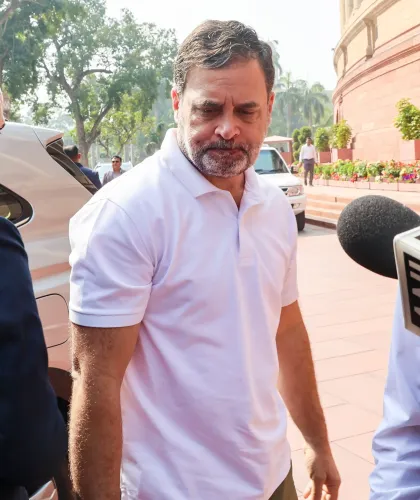
Bengaluru, March 3 (NationPress) The Karnataka BJP vehemently criticized the Leader of the Opposition (LoP) in the Lok Sabha, Rahul Gandhi, for his remarks regarding India’s stance in the ongoing US-Israel-Iran conflict. LoP Gandhi previously asserted that Prime Minister Narendra Modi needs to clarify whether he supports the assassination of a head of state as a method to shape the global order, amidst the tensions in West Asia.
Gandhi emphasized the need to denounce Iran's unilateral attacks, alongside its actions against other nations in West Asia, stating, "Silence now diminishes India’s standing in the world."
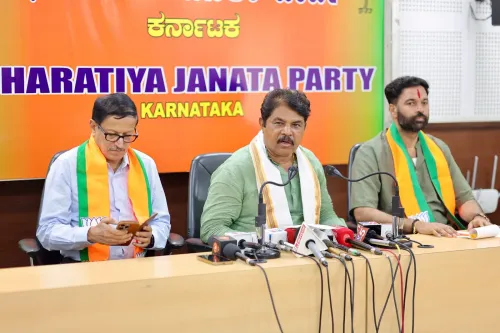
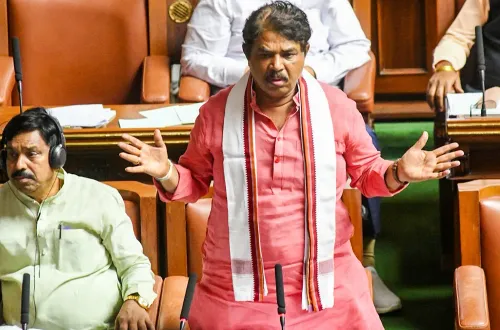
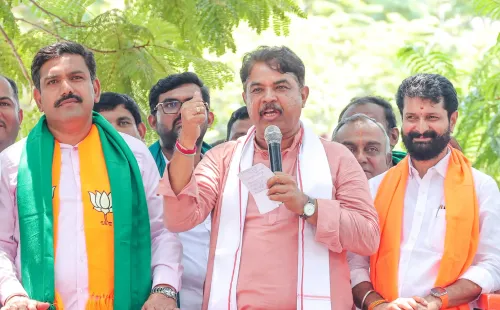
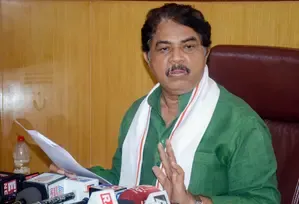
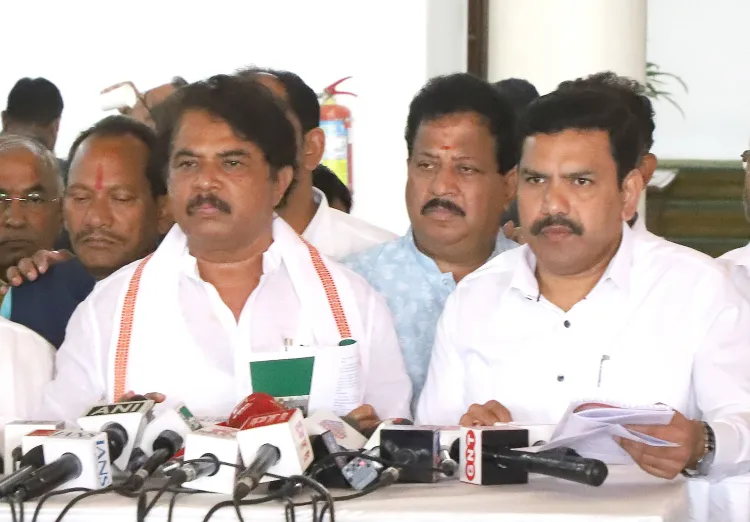
R. Ashoka, the Leader of the Opposition in the Karnataka Assembly, remarked on Tuesday, "Before preaching on moral clarity and global order, Rahul Gandhi should explain whether he endorses the slogan 'Modi Teri Khabar Khudegi' (your grave will be dug) allegedly shouted by Congress supporters."
Ashoka questioned if the Congress leader supports rhetoric aimed at the democratically elected Prime Minister. He accused Gandhi of remaining silent on what he labeled as 'political intimidation'.
“Silence equates to complicity,” Ashoka asserted, claiming it is simple to advocate for restraint among world leaders while failing to maintain discipline within one's own party.
He challenged Gandhi to denounce the culture of political intimidation if he genuinely believes that “violence begets violence.”
Ashoka further expressed that India's foreign policy is dictated by national interests, strategic depth, and careful diplomacy, rather than by social media commentary or sensational headlines.
He emphasized that governance must be executed responsibly in critical situations, avoiding public displays that could jeopardize national interests or the safety of Indian citizens abroad.
Citing the significant Indian diaspora in West Asia, he stressed that their safety necessitates maturity and responsibility instead of political posturing.
“If Rahul Gandhi desires India to communicate clearly, he should first ensure his own party does the same,” Ashoka stated, reiterating whether the Congress leader condemns threatening slogans and advocates for civil political discourse.
He concluded by asserting that India's global reputation has improved due to consistent leadership, noting that responsible leaders must fortify the nation's voice during international turmoil rather than weaken it for domestic political gain.
Point of View
This exchange underscores the complexities of political communication in a contentious environment. While Rahul Gandhi raises valid concerns about India's diplomatic stance, the BJP's response highlights the necessity for accountability and responsible rhetoric among political leaders.
NationPress
13 Oct 2026
Frequently Asked Questions
What did Rahul Gandhi criticize about India's foreign policy?
Rahul Gandhi criticized India's stance in the US-Israel-Iran conflict, questioning whether Prime Minister Modi supports the assassination of a head of state.
What was the BJP's response to Rahul Gandhi's comments?
The Karnataka BJP accused Rahul Gandhi of supporting threatening slogans against PM Modi and questioned his commitment to responsible political discourse.
Why is the political discourse significant in this context?
The political discourse is significant as it reflects the challenges of maintaining respectful communication amidst sensitive international conflicts and domestic political tensions.
What are the implications of political intimidation in this scenario?
Political intimidation can undermine democratic values and civil discourse, making it essential for leaders to address such issues responsibly.
How does this incident affect India's global standing?
This incident raises questions about India's diplomatic posture and the ability of its leaders to project a unified and mature response on the global stage.