BJP's Bengal win: Jhalmuri moment that mocked Mamata, gave Modi 206 seats
Synopsis
The BJP's 206-seat sweep in West Bengal — complete with a jhalmuri stall that Mamata Banerjee mocked and Modi turned into a campaign masterstroke — marks the most dramatic political realignment in the state in decades. The TMC's near-wipeout in tribal, Matua, and northern districts signals not just an electoral loss but a structural collapse of its coalition.
Key Takeaways
BJP won 206 seats out of 293 declared constituencies in West Bengal, crossing the two-thirds majority mark of 196 .
TMC was reduced to 81 seats , failing to win a single seat in districts including Cooch Behar , Jalpaiguri , Darjeeling , Bankura , and Purulia .
BJP polled 46% vote share against TMC's 41% ; the Left Front secured just 4% .
BJP MP Praveen Khandelwal cited PM Modi's jhalmuri stall stop as a symbol of grassroots connect that resonated with voters.
Khandelwal said the victory will accelerate policy agendas including UCC , One Nation One Election , and curbing illegal immigration.
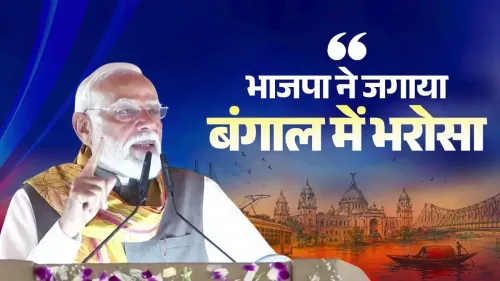
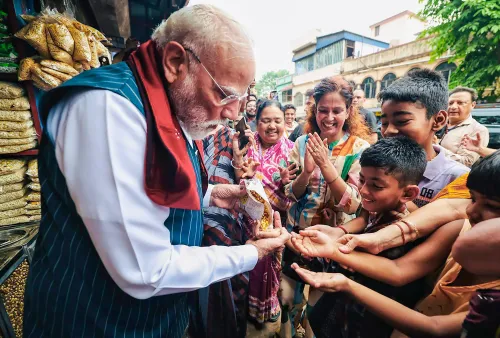
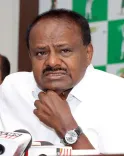
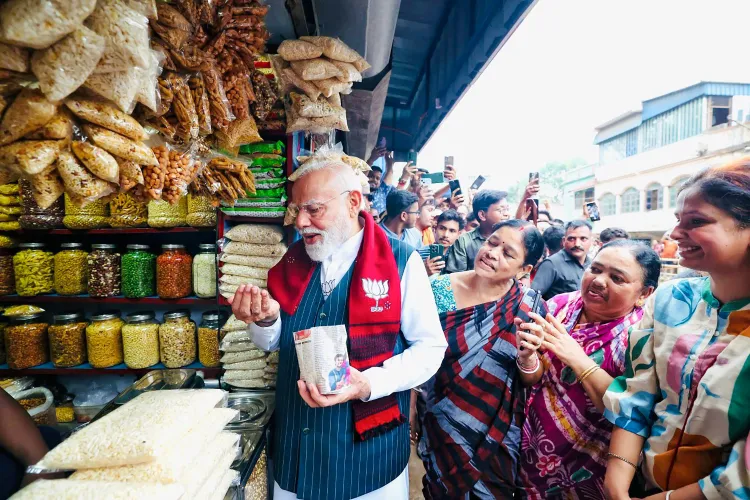
Bharatiya Janata Party (BJP) MP Praveen Khandelwal on Tuesday, 5 May 2025, hailed the party's sweeping victory in West Bengal, attributing it to Prime Minister Narendra Modi's grassroots outreach — including a now-iconic campaign stop at a roadside jhalmuri stall that became a defining symbol of the election season.
The Jhalmuri Moment That Defined the Campaign
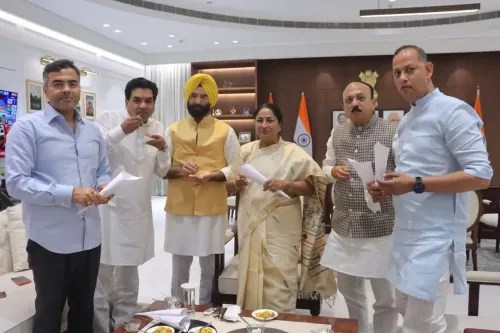
Speaking at a BJP celebration event in New Delhi, Khandelwal recalled the moment that sparked a political controversy during campaigning. "Under PM Modi's leadership, the BJP secured an unprecedented victory in West Bengal. Even jhalmuri has symbolic significance in this win — PM Modi's support for local products turned it into a symbol of connection with the common man. While campaigning in West Bengal, he saw a small shop of jhalmuri and PM Modi stopped and bought it. Mamata Banerjee mocked this gesture. Today, we're celebrating this victory with BJP workers, journalists, and prominent citizens in Delhi. Join us and enjoy jhalmuri," Khandelwal said.
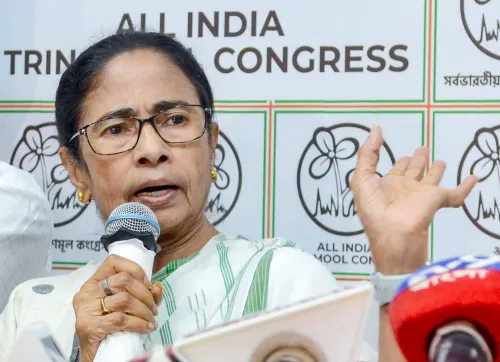
The gesture — dismissed at the time by All India Trinamool Congress (TMC) chief and West Bengal Chief Minister Mamata Banerjee — reportedly resonated strongly with voters, particularly in rural and semi-urban pockets of the state. Political observers noted that Modi's deliberate embrace of local street food culture undercut the TMC's narrative of the BJP as an outsider party.
Historic Electoral Mandate for BJP in Bengal
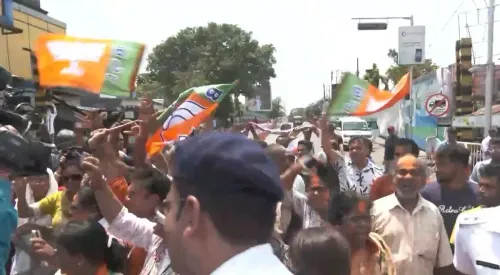
The scale of the BJP's victory in West Bengal is striking by any measure. According to final results, the party secured 206 seats out of 293 declared constituencies, comfortably clearing the two-thirds majority mark of 196 in the 294-member Assembly. The BJP polled 46% of the vote share, against the TMC's 41%.
The All India Trinamool Congress finished with just 81 seats — a dramatic collapse from its previous dominance. The Indian National Congress (Congress) won two seats, the Communist Party of India (Marxist) [CPI(M)] secured one, while the All India Secular Front (AISF) and the Aam Janata Unnayan Party (AJUP) won one and two seats, respectively.
TMC's Regional Collapse Signals Deeper Shift
Beyond the headline numbers, the geographic distribution of the TMC's losses tells a more damaging story. The party failed to win a single seat in several districts, including Cooch Behar, Jalpaiguri, Darjeeling, Bankura, and Purulia. It was also shut out entirely in all tribal- and Matua-dominated constituencies — communities the TMC had long courted as core vote banks.
This represents a fundamental realignment in Bengal's political geography, one that analysts say has been building since the 2019 Lok Sabha elections, when the BJP first made significant inroads in the state. The Left Front, which governed Bengal for over three decades, secured just 4% of the vote share, confirming its near-total marginalisation.
Khandelwal Flags Policy Acceleration Post-Victory
Khandelwal also outlined the broader national implications of the BJP-NDA's electoral momentum. "What the Prime Minister has said is extremely important. The BJP-NDA's victories across states will strengthen key political decisions. Issues like one nation - one election, curbing illegal immigration, and UCC — these topics will rapidly progress now," he said.
His remarks signal that the Bengal result will be used by the BJP leadership to build political capital for contentious legislative and policy agendas at the national level. With the Uniform Civil Code (UCC) and One Nation One Election proposals already in circulation, a strengthened mandate in a major state could accelerate their parliamentary trajectory.
What Comes Next
The BJP's Bengal victory reshapes the national opposition landscape significantly. With TMC's footprint reduced to its urban strongholds, Mamata Banerjee's influence as a potential opposition coalition anchor is considerably diminished. All eyes will now be on government formation in Kolkata and whether the BJP can translate its electoral dominance into stable governance in a state with a complex administrative and social fabric.
Point of View
But it is worth asking whether a street food stop alone explains a 206-seat majority — or whether deeper structural factors, including the TMC's decade-long anti-incumbency, its failure to retain Matua and tribal voters, and the Left's near-extinction, did the heavier lifting. Khandelwal's pivot to UCC and One Nation One Election in the same breath as the victory celebration is telling: the BJP is already converting Bengal's mandate into national legislative leverage. Whether that leverage translates into policy passage — or triggers fresh opposition consolidation — will define the next political cycle.
NationPress
19 Sept 2026
Frequently Asked Questions
How many seats did the BJP win in the West Bengal Assembly elections?
The BJP won 206 seats out of 293 declared constituencies, comfortably crossing the two-thirds majority mark of 196 in the 294-member Assembly. The party polled 46% of the vote share.
What happened to the TMC in the West Bengal election results?
The All India Trinamool Congress (TMC) was reduced to 81 seats, down from its previous dominance. The party failed to win a single seat in several districts including Cooch Behar, Jalpaiguri, Darjeeling, Bankura, and Purulia, and lost all tribal- and Matua-dominated constituencies.
What is the significance of the jhalmuri moment in the Bengal election?
During campaigning, PM Modi stopped at a roadside jhalmuri stall and bought the local snack, a gesture TMC chief Mamata Banerjee publicly mocked. BJP leaders say the moment symbolised Modi's connect with common citizens and local traditions, and resonated strongly with voters across the state.
What policy decisions could follow the BJP's Bengal victory?
BJP MP Praveen Khandelwal said the party's victories across states will accelerate key national agendas including One Nation One Election, the Uniform Civil Code (UCC), and measures to curb illegal immigration. The Bengal mandate is expected to be used to build political capital for these proposals.
What was the vote share breakdown in the West Bengal Assembly election?
The BJP polled 46% of the vote share, followed by the TMC at 41%. The Left Front secured 4%, the Congress 3%, and other parties accounted for 6% of votes cast.