Karnataka BJP's R. Ashoka flags media discrimination in Assembly session
Synopsis
Karnataka's Leader of Opposition R. Ashoka has accused the state Assembly's Information Department of a systematic media blackout against BJP legislators during the Monsoon Session — threatening a privilege motion if Speaker G.S. Patil does not intervene. The allegation puts the neutrality of the Assembly's own administrative machinery under scrutiny.
Key Takeaways
BJP Leader of Opposition R.
Ashoka wrote to Speaker G.S.
Patil on 24 August alleging discriminatory media coverage of opposition MLAs.
Ashoka claimed that since the session began on 13 August , statements, photographs, and videos of opposition members were not being released by the Information Department .
He alleged that media material for the Chief Minister , Ministers, and ruling Congress MLAs was released without restriction.
Ashoka warned of a privilege motion against concerned officials if the Speaker does not direct an immediate correction.
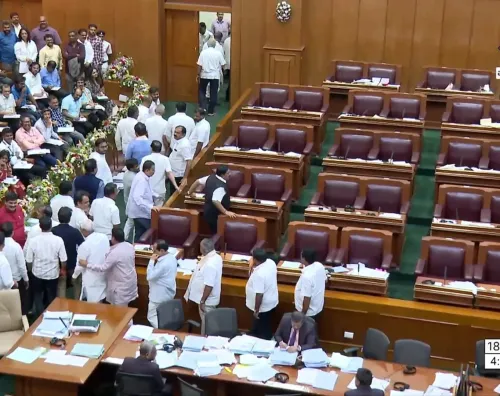
The complaint adds to ongoing tensions between the BJP opposition and the Congress government during the current Monsoon Session in Bengaluru .
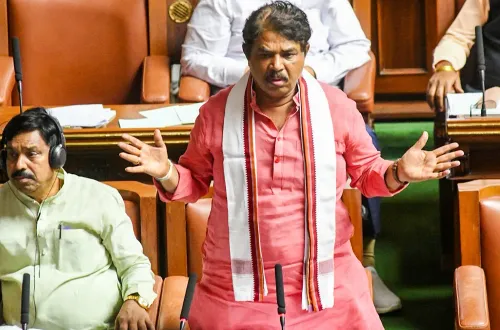
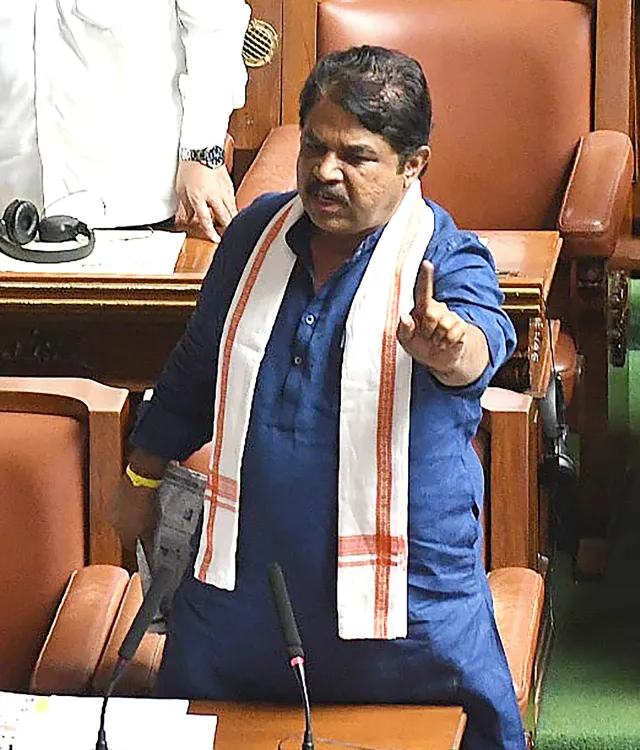
Bharatiya Janata Party (BJP) leader and Karnataka Assembly Leader of Opposition R. Ashoka on Monday, 24 August wrote to Speaker G.S. Patil, alleging that the Information Department was systematically withholding statements, photographs, and videos of opposition legislators during the ongoing Monsoon Session in Bengaluru. Ashoka warned that the opposition would move a privilege motion against the officials concerned if the disparity was not corrected immediately.
What the Complaint Alleges
In his letter, which was subsequently released to the media, Ashoka alleged that since the Monsoon Session began on 13 August, media material pertaining to the Leader of Opposition and opposition MLAs had been consistently not released during Assembly proceedings. He claimed this had directly resulted in print and broadcast outlets not carrying photographs or footage of opposition members.
By contrast, Ashoka alleged that statements, photographs, and videos of the Chief Minister, Ministers, and ruling-party MLAs were being released without restriction, giving the Congress government a structural visibility advantage in media coverage of the session.
Ashoka's Words to the Speaker
'Such discrimination in the coverage of Assembly proceedings has never happened in the past,' Ashoka stated in the letter. He urged the Speaker to 'immediately instruct the concerned officials of the Information Department to rectify this discrimination,' adding that failure to act would prompt the opposition to 'move a privilege motion against the officials concerned.'
Why It Matters
The allegation, if substantiated, raises questions about the neutrality of the Assembly's administrative machinery. The Information Department functions under the aegis of the Assembly secretariat and is expected to provide equal access to media material for all elected members, regardless of party affiliation. A privilege motion, if admitted, would formally censure the officials named and could trigger a committee inquiry.
Notably, this complaint arrives amid a broader confrontation between the BJP-led opposition and the ruling Congress government during the Monsoon Session, with the opposition raising multiple issues against the state administration. The alleged media blackout, critics argue, compounds the opposition's ability to hold the government publicly accountable.
What Happens Next
The matter now rests with Speaker G.S. Patil, who must decide whether to direct the Information Department to equalise media access or allow the opposition to escalate through a formal privilege motion. Should the Speaker act, the episode could set a precedent for how Assembly administrations handle media material in an era of real-time digital coverage.
Point of View
It is not merely a BJP grievance — it is an institutional failure that undermines the legislature's role as a public forum. Privilege motions against administrative officials are rare and carry reputational weight; the mere threat signals that the opposition views this as a structural issue, not a one-off lapse. Speaker Patil's response will reveal whether the Assembly secretariat is prepared to enforce administrative neutrality, or whether the complaint will be quietly shelved — as many such letters are. In an era where Assembly sound-bites drive the news cycle, controlling who gets photographed and quoted is, in effect, controlling the political narrative.
NationPress
8 Oct 2026
Frequently Asked Questions
What has Karnataka BJP's R. Ashoka alleged about the Assembly Monsoon Session?
R. Ashoka, the Karnataka Assembly Leader of Opposition, has alleged that the Information Department is withholding statements, photographs, and videos of opposition MLAs during the ongoing Monsoon Session, while releasing equivalent material for the Chief Minister, Ministers, and ruling Congress MLAs without restriction. He made the allegation in a formal letter to Speaker G.S. Patil on 24 August.
Who did Ashoka write to, and what did he ask for?
Ashoka wrote to Assembly Speaker G.S. Patil, requesting that he immediately instruct Information Department officials to equalise the release of media material for members on both sides of the House. He warned that if the disparity was not corrected, the opposition would move a privilege motion against the officials concerned.
What is a privilege motion, and why is it relevant here?
A privilege motion is a formal complaint filed in a legislature alleging that the rights or privileges of a member or the House have been violated. If admitted by the Speaker, it can lead to a committee inquiry and potential censure of those named. Ashoka's threat to file one against Information Department officials signals the opposition intends to treat the alleged media blackout as a breach of legislative privilege.
When did the Karnataka Assembly Monsoon Session begin?
The Karnataka Assembly Monsoon Session began on 13 August and was still underway at the time Ashoka filed his complaint on 24 August.
Has such an allegation been made before in Karnataka's Assembly?
According to Ashoka's letter, he stated that 'such discrimination in the coverage of Assembly proceedings has never happened in the past,' suggesting this is, at least in his characterisation, an unprecedented complaint of its kind in the Karnataka legislature.