Paper leak row: Himachal BJP chief Bindal slams Congress for 'street theatrics'
Synopsis
Himachal Pradesh BJP President Rajeev Bindal's broadside against Congress over the paper leak protests cuts to the heart of a recurring political battle: who owns the student issue? With fast-track courts now announced, the BJP is trying to shift the narrative from scandal to swift justice — while accusing Congress of choosing optics over outcomes.
Key Takeaways
Himachal Pradesh BJP President Rajeev Bindal on 24 July accused Congress of undermining constitutional norms through street protests over the paper leak row.
The Centre has announced fast-track courts to expedite trials in all examination paper leak cases.
Directions have already been issued to concerned departments to implement the fast-track court decision.
Bindal said the government had earlier handed the probe to the CBI , arrested accused, conducted a re-examination, and introduced technological reforms.
Bindal questioned Congress leader Rahul Gandhi on why the party marched towards the Prime Minister's residence and attempted to lay siege to BJP headquarters.
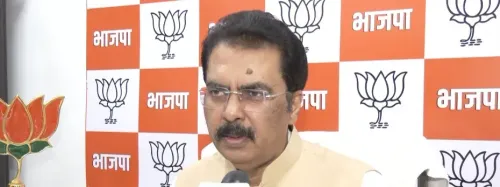
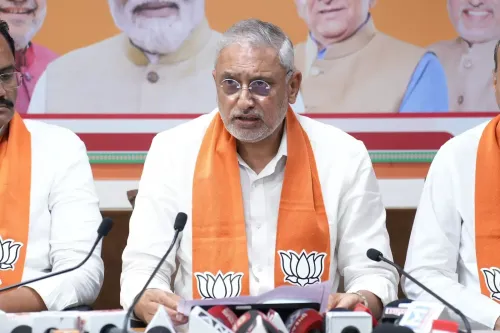
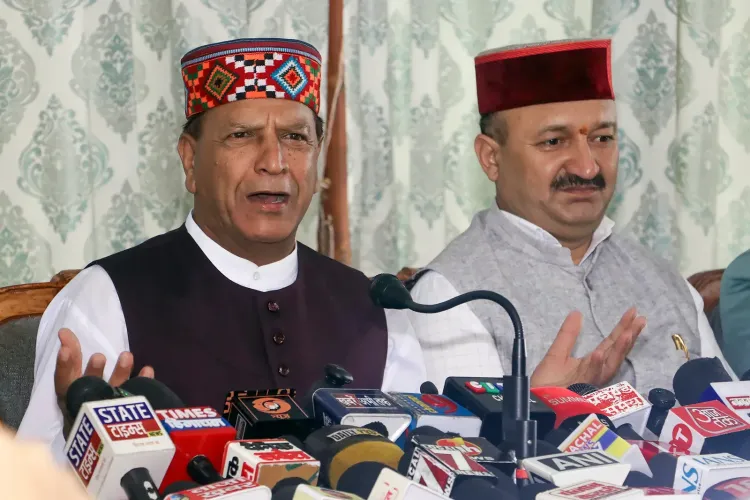
Himachal Pradesh Bharatiya Janata Party (BJP) President Rajeev Bindal on Friday, 24 July launched a sharp attack on the Congress party, accusing its central leadership of abandoning parliamentary debate in favour of street protests and political disruption over the examination paper leak controversy. Speaking to reporters in Shimla, Bindal charged that Congress was 'resorting to street politics, disruption, and confrontation to further its political agenda' instead of engaging constructively inside Parliament.
BJP's Action on Paper Leaks
Bindal outlined a sequence of steps the Centre has taken since the paper leak came to light: handing the investigation to the Central Bureau of Investigation (CBI), arresting those responsible, conducting a re-examination, and introducing what he described as 'comprehensive technological reforms' in the examination system.
The BJP leader announced that the government has now decided to establish fast-track courts to hear all paper leak cases, with the stated aim of ensuring 'trials are completed expeditiously, and the guilty are awarded stringent punishment without delay.' He said necessary directions have already been issued to the concerned departments and authorities.
What the Government Said
'Fast-track courts will be established to hear all paper leak cases so that trials are completed expeditiously, and the guilty are awarded stringent punishment without delay,' Bindal said. He described this as 'another significant step in the series of reforms being undertaken by the government to protect the interests of students.'
Reiterating what he called Prime Minister Narendra Modi's commitment, Bindal stated: 'Anyone who attempts to jeopardise the future of our youth will not be spared.'
Bindal's Broadside Against Congress
Bindal argued that attempts to march towards the Prime Minister's residence, laying siege to the BJP headquarters, and 'creating an atmosphere of violence are not acts of democracy but deliberate attempts to challenge constitutional institutions.'
Questioning Congress leader Rahul Gandhi and the party's top brass directly, Bindal asked: 'Why did the Congress feel the need to march towards the Prime Minister's residence? Why did it attempt to lay siege to the BJP headquarters? Has democratic protest now been reduced to attempts to breach high-security zones and create political confrontation?'
He said that if Congress was genuinely concerned about students, 'it would have participated in constructive discussions in Parliament and offered meaningful suggestions,' adding that the party instead 'chose to disrupt Parliament, create disorder on the streets, and indulge in political theatrics.'
Broader Context
The paper leak controversy has triggered significant political turbulence, with opposition parties — led by Congress — staging protests both inside and outside Parliament. The BJP, in turn, has sought to frame its response as governance-focused, highlighting CBI action and systemic reform. This is the latest flashpoint in an ongoing standoff between the ruling alliance and the opposition over accountability in competitive examinations, a matter that directly affects millions of students appearing for government recruitment and entrance tests across India.
With fast-track courts now announced, the government's response will be judged by how swiftly cases reach conclusion — and whether convictions follow.
Point of View
Pivot to process and announce a new government measure. The fast-track court announcement is substantive on paper, but its credibility depends entirely on timelines and conviction rates — neither of which were specified. Congress's street protests, meanwhile, carry their own risk: optics of disruption can crowd out the legitimate grievance of lakhs of students whose futures were derailed by the leak. Both sides are fighting for the student vote, but neither has yet offered a structural fix to the upstream failure — how paper leaks happen in the first place.
NationPress
22 Oct 2026
Frequently Asked Questions
What did Himachal BJP chief Rajeev Bindal say about Congress and the paper leak protests?
Rajeev Bindal accused Congress of abandoning parliamentary debate and resorting to street protests, disruption, and political theatrics over the paper leak controversy. He argued that attempts to march to the Prime Minister's residence and lay siege to BJP headquarters were challenges to constitutional institutions, not legitimate democratic protest.
What is the fast-track court announcement for paper leak cases?
The BJP-led Central government has announced the establishment of fast-track courts to hear all examination paper leak cases, with the aim of completing trials quickly and awarding stringent punishment to the guilty without delay. Bindal said necessary directions have already been issued to the concerned departments.
What steps has the Centre already taken on the paper leak issue?
According to Bindal, the Centre handed the investigation to the CBI, arrested those responsible, conducted a re-examination, and introduced comprehensive technological reforms in the examination system. The fast-track court decision is described as the latest in this series of measures.
Why is the paper leak controversy politically significant?
The paper leak has affected millions of students who appeared for government recruitment and entrance examinations, making it a major electoral and governance issue. Opposition parties including Congress have used it to target the government, while the BJP is seeking to counter with visible enforcement action.
Who is Rajeev Bindal?
Rajeev Bindal is the President of the Himachal Pradesh unit of the Bharatiya Janata Party (BJP). He made these remarks at a media interaction in Shimla on 24 July.