Should BJP Demand Rs 15,000 Crore in Karnataka's Budget to Tackle Regional Imbalance?
Synopsis
R. Ashoka challenges Karnataka's Chief Minister Siddaramaiah to allocate Rs 15,000 crore in the next Budget. This funding is crucial to implement the Prof. Govinda Rao Committee's recommendations, which aim to tackle the growing regional imbalances in the state. Will Siddaramaiah rise to the occasion?
Key Takeaways
Ashoka demands Rs 15,000 crore for regional equity.
Focus on implementing Prof.
Govinda Rao Committee recommendations.
Concerns about merging funds with other allocations.
Call for a Regional Disparity Redressal Monitoring Unit .
Highlighting the increase in backward taluks.
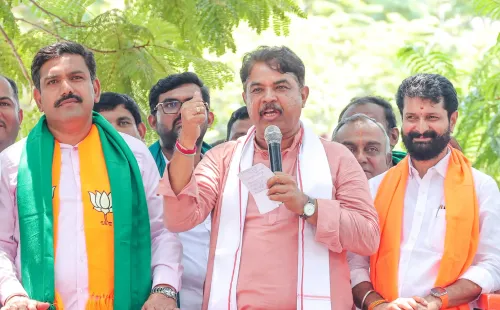
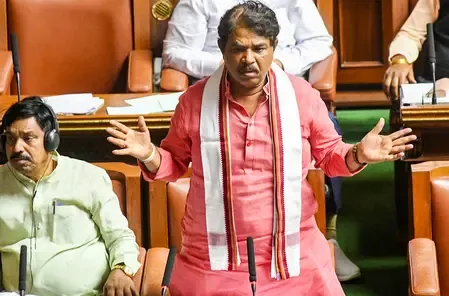
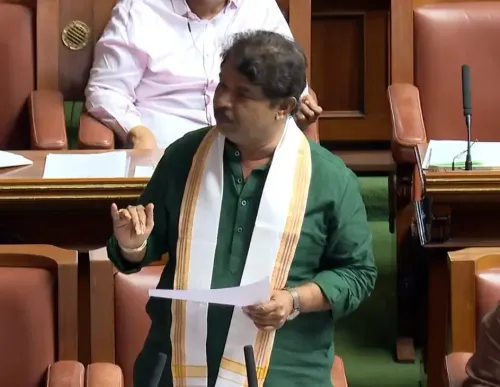
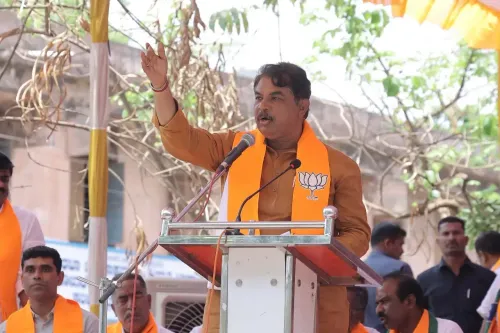
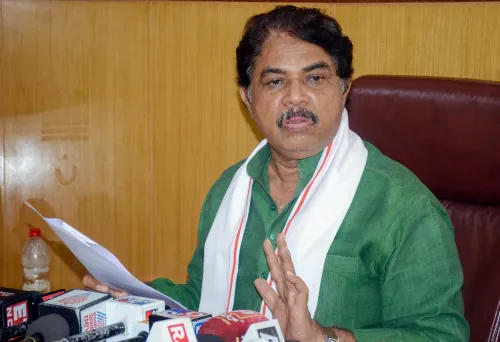
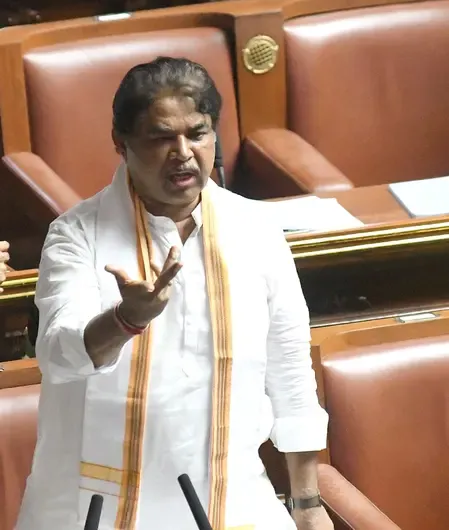
Bengaluru, Feb 14 (NationPress) R. Ashoka, the Leader of the Opposition in the Legislative Assembly, has urged Chief Minister Siddaramaiah to allocate a minimum of Rs 15,000 crore in the forthcoming Budget. This funding is essential for implementing the recommendations of the Prof. Govinda Rao Committee aimed at addressing the regional disparities within the state.
In a press release issued on Saturday, Ashoka stated, "The Congress party has held power in the state for an extended period, and Siddaramaiah has presented the most Budgets. Thus, they bear direct responsibility for the existing regional disparities."
He insisted that the Budget must earmark sufficient resources to rectify this "oversight."
Ashoka warned the government against making "exaggerated" claims by merging allocations meant for various departments or institutions and presenting them as funds to tackle disparities.
He emphasized that funds allocated to organizations like the Kalyana Karnataka Regional Development Board and other development boards or corporations should not factor into this calculation.
He asserted that a distinct and dedicated allocation must be set aside specifically for the purpose of eliminating regional inequality. Without this, the populace may perceive a disconnect between the government's promises and its actions, he cautioned.
Ashoka claimed that the percentage of backward taluks identified by the Prof. D.M. Nanjundappa Committee has not decreased over the past two decades. Alarmingly, it has risen from 65% to 72.8%.
He challenged Congress leaders to stop feigning concern for backward regions. As they currently hold the reins of power, Siddaramaiah should set a record by allocating the highest-ever funds for addressing regional disparity.
While the government boasts of Karnataka's ranking as second among large states in terms of Net State Domestic Product (NSDP), it must also tackle the root causes of regional disparity.
To effectively implement the 11 recommendations made by the Prof. Govinda Rao Committee for the all-encompassing development of backward regions, he proposed the establishment of a 'Regional Disparity Redressal Monitoring Unit.' This unit would oversee the allocation, utilization, and progress of funds.
Ashoka further suggested that timelines should be established for projects and schemes, with strict adherence to avoid delays. He stated that without time-bound implementation, achieving progress within a designated timeframe would be unattainable. The Budget should also outline stringent actions against those who violate guidelines or misuse special funds.
He noted a rising demand from the public for reform in the functioning of the Kalyana Karnataka Regional Development Board.
The current practice of formulating projects based on the preferences of elected representatives should be revised. New guidelines must be developed based on expert advice, with projects tailored according to actual needs and executed within a set timeline.
Ashoka stressed that priority should be given to the Govinda Rao Committee's recommendations regarding reforms in the Planning Department.
He pointed out that one of the key suggestions from the Govinda Rao Committee explicitly states that additional allocations should be made in the Budget beyond the regular allocation.
Funds must be strictly distributed based on levels of backwardness, Ashoka insisted.
Point of View
The demand for a substantial allocation in the Karnataka Budget to address regional imbalance reflects broader concerns regarding equitable development. It highlights political accountability and the role of governance in ensuring that all regions benefit from economic progress. The effectiveness of such allocations will ultimately be judged by tangible improvements in the lives of the affected populations.
NationPress
20 Sept 2026
Frequently Asked Questions
What is the significance of the Rs 15,000 crore allocation?
The Rs 15,000 crore allocation is crucial for implementing recommendations aimed at addressing regional imbalances in Karnataka, as outlined by the Prof. Govinda Rao Committee.
What are the recommendations of the Prof. Govinda Rao Committee?
The recommendations focus on eliminating regional disparities and promoting comprehensive development in backward areas of Karnataka.
Why is there a demand for a separate allocation?
A separate allocation is necessary to ensure that funds specifically target regional inequality, rather than being merged with other departmental budgets.
How has regional disparity changed over the years?
According to Ashoka, the percentage of backward taluks has increased from 65% to 72.8% over the past two decades.