No fuel shortage in India, PSU oil firms absorbing ₹600-700 crore daily loss: BPCL

Synopsis
India has no petrol or diesel shortage — but the calm at the pump is masking a financial storm. PSU oil companies are absorbing ₹600-700 crore in losses every single day, with exchange rates near 96 and shipping costs surging. The question isn't whether fuel is available today; it's how long OMCs can keep absorbing this without a price hike or government bailout.
Key Takeaways
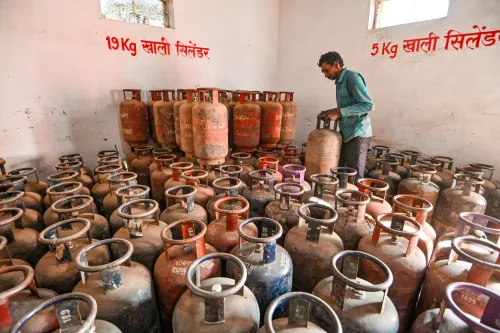
BPCL Marketing Director Sukhmal Kumar Jain confirmed there is no petrol or diesel shortage in India as of 24 May .
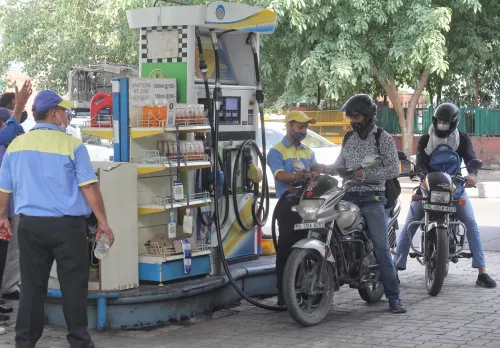
PSU oil marketing companies operate around 85,000 of the nearly one lakh fuel retail outlets in the country.
OMCs are absorbing losses of ₹600 crore to ₹700 crore per day due to volatile crude prices, shipping costs, and currency movements.
The rupee-dollar exchange rate has moved from around 89–90 to near 96 , adding to the import burden.
No government price revision or subsidy package for OMCs has been announced as of the date of this report.
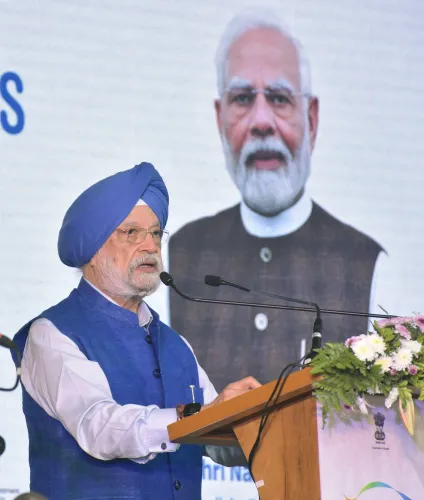
Bharat Petroleum Corporation Limited (BPCL) Marketing Director Sukhmal Kumar Jain on Sunday, 24 May asserted that there is no shortage of petrol or diesel anywhere in the country, even as public sector oil marketing companies (OMCs) absorb losses of ₹600 crore to ₹700 crore per day due to volatile global crude prices, rising shipping costs, and a weakening rupee.
Supply Situation on the Ground
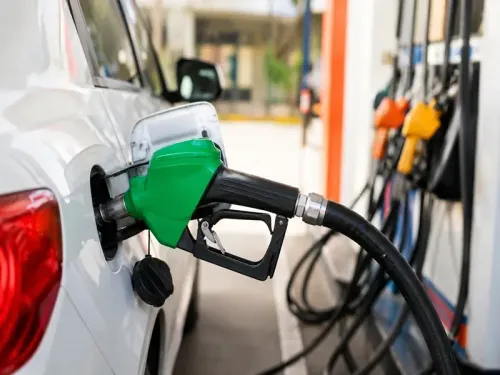
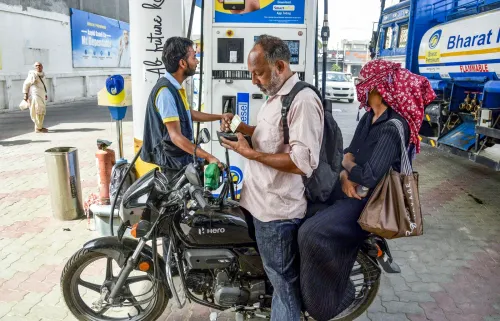
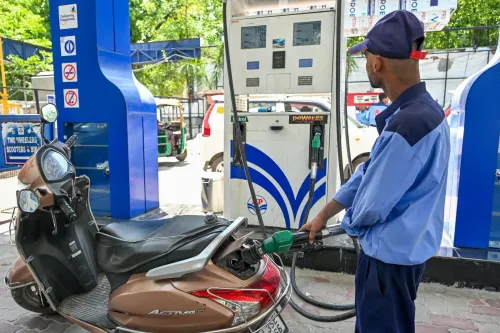
Jain said that PSU oil marketing companies operate approximately 85,000 retail outlets out of nearly one lakh fuel stations across India, giving them a dominant share of the retail fuel network. 'I don't think there is any shortage because as far as the consumption part is concerned, it is being fully managed by the public sector oil marketing companies,' he said.
He acknowledged that isolated disruptions may occur for localised reasons, but maintained these are not indicative of a systemic supply failure. 'Stray cases may be there due to various other reasons, but otherwise there is no shortage, whatever I understand in this area,' Jain added.
The Cost Pressure Building Behind the Scenes
While supply remains stable on the surface, the financial strain on OMCs is mounting. Jain pointed to a confluence of pressures — global crude oil price volatility, elevated shipping and insurance costs, and sharp exchange rate movements — as the key drivers of stress.
According to Jain, the rupee-dollar exchange rate, which was earlier hovering around 89–90, has now moved closer to 96, significantly increasing the import bill for oil companies. 'The situation is very volatile, and there are various components. If you have really seen crude oil, then shipping costs, insurance, and even exchange rates, the way they have moved,' he said.
Losses Absorbed to Maintain Supply
Despite these headwinds, Jain confirmed that PSU OMCs are continuing to supply fuel without interruption, effectively absorbing the financial hit to prevent price shocks at the pump. The combined daily losses across public sector oil companies are reportedly in the range of ₹600 crore to ₹700 crore, according to Jain.
This comes amid a broader period of global energy market turbulence, with crude benchmarks remaining unpredictable due to geopolitical developments and demand-supply imbalances. Indian OMCs — which include BPCL, Indian Oil Corporation (IOC), and Hindustan Petroleum Corporation Limited (HPCL) — have historically absorbed under-recoveries during price-sensitive periods rather than pass on the full burden to consumers.
What This Means Going Forward
The scale of daily losses raises questions about how long PSU oil companies can sustain current retail prices without either a government subsidy infusion or a revision in pump prices. Industry observers note that any prolonged period of under-recovery at this magnitude would eventually require policy intervention. For now, the Centre has not announced any price revision or relief package for OMCs. The situation will likely be closely watched in the coming weeks as global crude markets remain in flux.
Point of View
And it is conspicuously absent from the government's public messaging. India has been through this cycle before: OMCs absorb under-recoveries, balance sheets deteriorate, and eventually either pump prices are revised sharply or the Centre steps in with a subsidy — both politically costly. With exchange rates near 96 and crude unpredictable, the window for a quiet resolution is narrowing. The longer the silence on pricing policy, the more abrupt the eventual correction is likely to be.
NationPress
26 Sept 2026
Frequently Asked Questions
Is there a petrol or diesel shortage in India right now?
According to BPCL Marketing Director Sukhmal Kumar Jain, there is no shortage of petrol or diesel in India as of 24 May. He said PSU oil marketing companies are fully managing fuel supply across their approximately 85,000 retail outlets nationwide.
Why are Indian oil companies incurring such large daily losses?
PSU oil marketing companies are absorbing losses of ₹600-700 crore per day due to a combination of volatile global crude oil prices, elevated shipping and insurance costs, and a weaker rupee, which has moved from around 89–90 to near 96 against the dollar.
Which companies are the major PSU oil marketing companies in India?
The primary public sector oil marketing companies are Bharat Petroleum Corporation Limited (BPCL), Indian Oil Corporation (IOC), and Hindustan Petroleum Corporation Limited (HPCL). Together, they operate around 85,000 of India's nearly one lakh fuel retail outlets.
Will petrol and diesel prices be revised in India?
As of 24 May, no price revision or government relief package for OMCs has been announced. However, analysts note that sustained daily losses of ₹600-700 crore could eventually force either a pump price hike or a Centre-backed subsidy intervention.
What is causing fuel availability concerns in some areas?
Jain acknowledged that isolated, localised disruptions may occur for various reasons, but said these are stray cases and do not reflect a systemic shortage. The broader supply chain managed by PSU OMCs remains uninterrupted, he said.