BRS demands withdrawal of Telangana Hate Speech Bill 2026, cites misuse risk
Synopsis
BRS has formally demanded the withdrawal of Telangana's Hate Speech and Hate Crimes (Prevention) Bill 2026, warning that undefined terms like 'disharmony' and 'ill-will' could criminalise political speeches, satire, and investigative journalism. The party says existing law is sufficient — the real problem is enforcement, not legislation.
Key Takeaways
BRS submitted a memorandum to the Telangana State Legislature's Select Committee on 26 October 2026 demanding withdrawal of the Telangana Hate Speech and Hate Crimes (Prevention) Bill, 2026 .
BRS Legal Cell in-charge Soma Bharat Kumar said existing laws under the BNS , the IT Act , and Supreme Court directions are already adequate.
The party objected to punishments of up to 7 years for first offences and 10 years for repeat offences, and to the cognizable and non-bailable classification.
BRS warned that undefined terms — 'injury', 'disharmony', 'enmity', 'ill-will' — could cover political speech, satire, and journalism, creating a chilling effect .
The party demanded judicial oversight over content removal and sought a 30-day extension of the public consultation period.
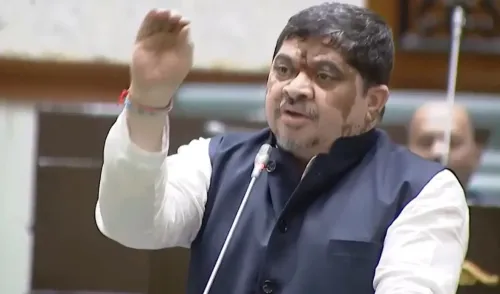
Bharat Rashtra Samithi (BRS) has formally urged the Telangana State Legislature's Select Committee to withdraw the Telangana Hate Speech and Hate Crimes (Prevention) Bill, 2026, warning that its provisions are vague, disproportionate, and susceptible to misuse against the Opposition, the press, and lawful political criticism. The party submitted a detailed memorandum to the committee on 26 October 2026.
Key Objections Raised by BRS
BRS Legal Cell in-charge and General Secretary Soma Bharat Kumar clarified in the memorandum that the party was not opposed to action against genuine incitement to violence or hatred. However, he argued that the Bill overreached what was constitutionally necessary and raised serious civil liberties concerns.
The party contended that existing statutes — including provisions of the Bharatiya Nyaya Sanhita (BNS), the Information Technology Act, and directions issued by the Supreme Court — already provided an adequate legal framework to address hate speech. According to the BRS, the primary deficit lies in enforcement, not in any legislative gap.
Concerns Over Punishment Thresholds and Presumption of Innocence
The BRS particularly challenged provisions that classify offences as cognizable and non-bailable, and that prescribe punishment of up to seven years for a first offence and up to 10 years for repeat offences. The party argued that classifying a person as a repeat offender solely on the basis of an earlier charge — rather than a conviction — could undermine the fundamental legal presumption of innocence and expose individuals to immediate arrest without adequate safeguards.
Vague Definitions and Chilling Effect on Free Speech
The memorandum also took aim at undefined terms in the draft legislation, including 'injury', 'disharmony', 'enmity' and 'ill-will'. The BRS warned that the absence of precise definitions could bring political speeches, satire, investigative journalism, and criticism of public institutions within the ambit of the law, producing a chilling effect on media freedom and political dissent. Critics argue this ambiguity is precisely the kind of legislative drafting that courts have historically struck down on grounds of vagueness.
Demand for Judicial Oversight on Content Removal
The party additionally opposed proposed executive powers that would allow authorities to order the removal of online content without judicial oversight. The BRS insisted that any content take-down mechanism must be subject to procedural safeguards and court supervision, rather than left to executive discretion.
BRS Conditions for Redrafting the Bill
Should the Select Committee decline to withdraw the Bill entirely, the BRS has outlined a set of minimum conditions for redrafting. These include introducing clear and precise definitions, explicitly protecting fair reporting and criticism of governments and political parties, restoring the presumption of innocence, and mandating judicial oversight over content blocking orders.
The party also called for wider public consultation, open committee hearings, and an extension of the memorandum submission period by at least 30 days before the Bill proceeds further. The Select Committee's response and the Bill's next legislative stage remain to be announced.
Point of View
Tied to a charge rather than a conviction, is a direct collision with the presumption of innocence — a principle the Supreme Court has robustly defended. The deeper issue, as BRS correctly notes, is enforcement architecture, not legislative volume. Whether the ruling Congress government in Telangana responds substantively to these objections, or proceeds with cosmetic changes, will signal how seriously it treats civil liberties in its own backyard.
NationPress
26 Oct 2026
Frequently Asked Questions
What is the Telangana Hate Speech and Hate Crimes (Prevention) Bill, 2026?
It is a proposed state law in Telangana designed to prevent and penalise hate speech and hate crimes. The Bill is currently under review by the State Legislature's Select Committee, which is accepting memoranda from political parties and the public before it is taken up further.
Why is BRS opposing the Telangana Hate Speech Bill?
BRS argues that the Bill's provisions are vague, disproportionate, and liable to be misused against political opponents, journalists, and critics. The party says existing laws under the BNS and IT Act already cover hate speech, and that the real problem is poor enforcement rather than a legislative gap.
What specific provisions does BRS find objectionable?
BRS objects to offences being made cognizable and non-bailable, punishments of up to seven years for a first offence and 10 years for repeat offences, the use of undefined terms like 'disharmony' and 'ill-will', executive powers to order content removal without judicial oversight, and classifying someone as a repeat offender based on a prior charge rather than a conviction.
What has BRS asked the Select Committee to do?
BRS has primarily demanded full withdrawal of the Bill. If the committee declines, the party wants a fundamental redraft that introduces precise definitions, protects fair reporting and political criticism, restores the presumption of innocence, and ensures judicial oversight over content blocking. It also wants the public consultation period extended by at least 30 days.
Who submitted the BRS memorandum to the Select Committee?
The memorandum was submitted by BRS Legal Cell in-charge and General Secretary Soma Bharat Kumar on behalf of the party.