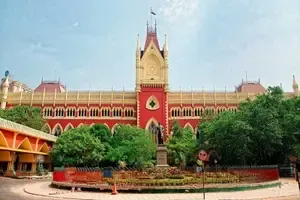
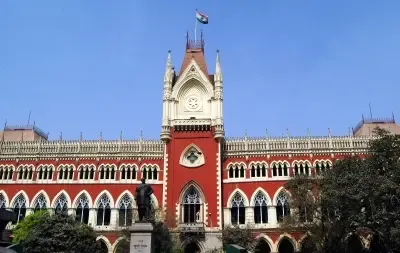
Calcutta HC cancels all OBC certificates issued under Bengal's new rule
Synopsis
The Calcutta High Court has invalidated all OBC certificates issued under West Bengal's post-2010 OBC-A and OBC-B framework — a ruling that strips reservation benefits from holders across 142 communities. Coming after a Supreme Court-upheld exclusion of 66 communities in 2024 and a contested 2,500-sample survey, this is the most sweeping judicial blow yet to the TMC government's OBC classification system.
Key Takeaways
A Calcutta High Court division bench on 12 August cancelled all OBC certificates issued under West Bengal 's revised OBC-A and OBC-B classification.
The bench of Justice Rajasekhar Mantha and Justice Anuj Singh ruled that holders of these certificates will now be treated under the general category.
In 2024 , the court had already excluded 66 communities from the OBC list and ordered a fresh survey.
The state's subsequent survey, reportedly based on just 2,500 samples , listed 142 communities as OBCs — a methodology the court rejected.
The Supreme Court declined to grant a stay when the state challenged the High Court's scrutiny, paving the way for Wednesday's order.
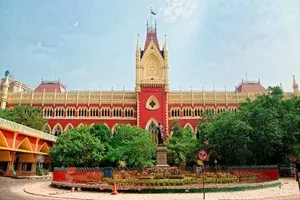
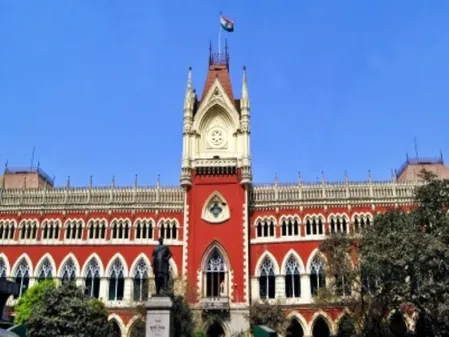
A division bench of the Calcutta High Court on Wednesday, 12 August cancelled all Other Backward Class (OBC) certificates issued under the revised classification rule in West Bengal during the tenure of the Mamata Banerjee-led All India Trinamool Congress (TMC) government. The ruling effectively strips validity from certificates issued under the contested OBC-A and OBC-B categories, pushing their holders into the general category for reservation purposes.
What the Court Ordered
The bench of Justice Rajasekhar Mantha and Justice Anuj Singh ruled that the two-tier OBC classification — OBC-A and OBC-B — introduced after 2010 under the previous state government will no longer hold legal force. Holders of certificates issued under these categories will henceforth be treated as belonging to the general category, with no access to OBC-linked reservation benefits.
Background: A Controversy Years in the Making
The OBC certificate row in West Bengal has a long and contested history. Allegations of large-scale corruption in the issuance of OBC certificates surfaced during the TMC government's tenure, triggering a series of legal challenges. In 2024, the Calcutta High Court had already excluded 66 communities from the OBC list and ordered a fresh survey to prepare a revised classification. The state government challenged that ruling before the Supreme Court, which upheld the High Court's position.
Following the apex court's direction, the state conducted a new survey — reportedly based on only 2,500 samples — and produced a revised list that brought 142 communities under the OBC umbrella. Critics argued the sample size was far too small to justify a classification of such scale and consequence.
Supreme Court's Role and the Legal Impasse
When the Calcutta High Court raised objections to the revised survey and the new list, the state government once again approached the Supreme Court. On this occasion, however, the apex court declined to grant a stay order, allowing the High Court's scrutiny to proceed. Issuance of certificates under the new rules had continued in the interim — certificates that Wednesday's order has now invalidated.
Impact on OBC Certificate Holders
The immediate consequence of the ruling is significant for those who received OBC certificates under the post-2010 OBC-A and OBC-B framework. Without valid OBC status, affected individuals lose access to reservations in government jobs and educational institutions tied to OBC quotas. The scale of the impact is considerable, given that 142 communities were listed under the contested classification. Legal experts suggest the state government is likely to challenge the order before the Supreme Court once again.
What Comes Next
The ruling reopens the question of how West Bengal will reframe its OBC classification in compliance with judicial scrutiny. A credible, large-scale survey — as originally ordered by the court — remains the legal prerequisite for any fresh OBC list. Until that process concludes and survives judicial review, the reservation status of a substantial section of the state's population remains in limbo.
Point of View
500 samples, after the Supreme Court itself upheld the exclusion of 66 communities, reflects either administrative overreach or a calculated political gamble. With OBC reservation touching employment and education for millions, the absence of a credible, large-scale survey methodology is not a procedural lapse — it is a governance failure. The question now is whether the state will pursue yet another Supreme Court challenge or finally invest in a survey robust enough to withstand review.
NationPress
27 Sept 2026
Frequently Asked Questions
What did the Calcutta High Court rule on OBC certificates in West Bengal?
The Calcutta High Court cancelled all OBC certificates issued under West Bengal's revised OBC-A and OBC-B classification, ruling that holders of these certificates will be treated as general category candidates. The division bench found the post-2010 two-tier OBC framework legally untenable.
Who is affected by the Calcutta High Court's OBC ruling?
All individuals who received OBC certificates under the OBC-A and OBC-B categories introduced after 2010 in West Bengal are affected. These persons will no longer be eligible for OBC-linked reservations in government jobs and educational institutions, and will be treated as general category candidates.
What was wrong with West Bengal's OBC survey?
The state conducted a revised OBC survey reportedly based on only 2,500 samples, which critics and the court found inadequate for classifying 142 communities as OBCs. The Calcutta High Court had objected to the survey methodology, and the Supreme Court declined to stay the High Court's scrutiny.
What happened when the state government challenged the earlier OBC ruling in the Supreme Court?
The Supreme Court upheld the Calcutta High Court's 2024 order excluding 66 communities from the OBC list. When the state challenged the court's objections to its revised survey, the Supreme Court declined to grant a stay order, allowing the High Court's review to continue.
What happens next after the Calcutta High Court's OBC order?
The state government is widely expected to challenge the ruling before the Supreme Court. In the interim, OBC certificate issuance under the invalidated framework must stop. A fresh, large-scale survey — as originally directed by the court — remains the legal prerequisite for any new OBC classification in West Bengal.