Calcutta HC refuses to intervene in Bengal BJP govt's OBC reservation notification
Synopsis
The Calcutta High Court has refused to immediately step in to protect 74 communities whose OBC recognition was cancelled by West Bengal's new BJP government — citing the Supreme Court's own prior orders and the withdrawal of the earlier case. The bench called the PIL premature, but left open the larger question of whether any government can unilaterally reverse its predecessor's reservation policy.
Key Takeaways
A Calcutta High Court division bench on 22 July declined immediate intervention in West Bengal's BJP government's OBC reservation notification.
The state government's May 2025 notification cancelled OBC recognition for 74 communities included by the previous TMC government.
The new government announced 7% OBC reservation under its revised framework.
The bench cited prior Supreme Court and High Court orders cancelling post- 2010 OBC certificates as the basis for finding the PIL premature.
The court left open whether a new government can legally reverse a predecessor's reservation policy; all parties must file affidavits.
The next hearing is scheduled six weeks from Wednesday.
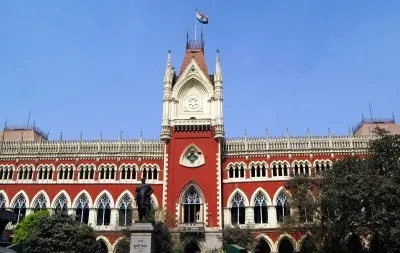
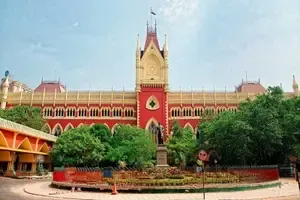
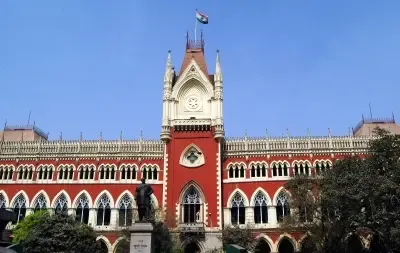
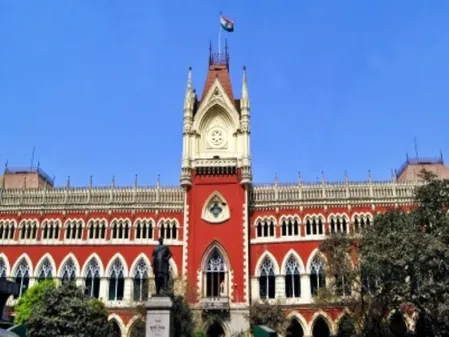
A division bench of the Calcutta High Court on Wednesday, 22 July declined to immediately intervene in a fresh notification issued by the Bharatiya Janata Party (BJP)-led West Bengal government — headed by Chief Minister Suvendu Adhikari — regarding Other Backward Class (OBC) reservation in the state. The bench, comprising Acting Chief Justice Tapabrata Chakraborty and Justice Rajasekhar Mantha, found the public interest litigation premature given the existing judicial history on the matter.
What the Notification Says
The state government's notification, issued in May 2025, cancelled the recognition of 74 communities under the OBC category — communities that had been included by the previous All India Trinamool Congress (TMC) government led by Mamata Banerjee. In their place, the new dispensation announced a 7% reservation for OBC category individuals under the revised framework.
The Challenge in Court
The petition was filed by Mijanur Rahman, who challenged the notification's validity. His counsel, Kishor Datta — a former Advocate General of West Bengal — argued that the cancellation of recognition for the 74 communities was issued without adequate reasoning. Datta contended that candidates from these communities are now unable to avail reservation benefits in state government employment and admissions to colleges and universities. He further argued that a change in ruling government cannot justify abrupt reversals of settled policy.
Why the Court Declined to Intervene
The division bench was not persuaded. It noted that all OBC certificates issued in West Bengal after 2010 had already been cancelled — first by the Calcutta High Court itself, and subsequently affirmed by the Supreme Court. The bench further observed that the High Court had previously rejected the inclusion of the 74 new communities ordered by the previous government in 2025, and the Supreme Court had placed an interim stay on that inclusion. Critically, the new state government had also withdrawn the pending case at the apex court, effectively rendering that matter closed.
Justice Chakraborty observed that since the case no longer existed, there was no basis for debating the status of the 74 communities at this stage. 'If anything happens later, the court will consider it. The current public interest litigation is immature and hence, in this situation, the court will not intervene,' he said.
Justice Mantha added that intervening now would risk going against the court's own prior orders. 'Since the previous case was withdrawn at the apex court, the previous verdict of the Calcutta High Court also remains in effect. In such a situation, how will the court protect the rights of 74 communities?' he questioned.
What the Court Left Open
Despite declining immediate intervention, the bench left several questions open for future adjudication. It noted that a hearing could be held on whether an incoming government can lawfully reverse a policy decision of its predecessor — a constitutional question with broader implications. The bench also indicated that any community with objections to inclusions or exclusions could approach the court in future.
All parties have been directed to file affidavits. The next hearing is scheduled six weeks from Wednesday.
Background and Broader Context
The OBC reservation dispute in West Bengal has a long and contested judicial history. The Supreme Court's earlier intervention cancelling post-2010 OBC certificates had already destabilised the reservation framework in the state. The TMC government's subsequent attempt to include 74 new communities — which critics alleged included Muslim-majority groups in a politically motivated move — was stayed by the courts. The BJP's assumption of power in West Bengal following the 2026 state elections added a further political dimension, with the new government moving swiftly to undo its predecessor's OBC framework. How the courts ultimately rule on the legality of such reversals could set a significant precedent for OBC policy continuity across states.
Point of View
It creates a dangerous precedent where reservation benefits become hostage to electoral cycles rather than constitutional criteria. The 74 communities caught in this legal limbo are the most immediate casualties of a dispute that is as much about political one-upmanship as it is about social justice.
NationPress
21 Oct 2026
Frequently Asked Questions
What did the Calcutta High Court decide on the West Bengal OBC reservation PIL?
The Calcutta High Court's division bench declined to immediately intervene in the West Bengal BJP government's notification that cancelled OBC recognition for 74 communities. The bench called the PIL premature, citing prior Supreme Court and High Court orders, and scheduled the next hearing after six weeks.
Which 74 communities lost OBC recognition under the new West Bengal government's notification?
The notification, issued in May 2025 by the BJP-led West Bengal government under Chief Minister Suvendu Adhikari, cancelled the OBC recognition of 74 communities that had been included by the previous TMC government. The specific communities were not individually named in the court proceedings reported.
Why did the court say the PIL was premature?
The bench observed that all OBC certificates issued after 2010 in West Bengal had already been cancelled by the Calcutta High Court and affirmed by the Supreme Court. The previous government's inclusion of the 74 communities had also been stayed by the courts, and the new government subsequently withdrew the apex court case — leaving no live dispute for the PIL to address at this stage.
Can the new West Bengal government legally reverse OBC policies of the previous TMC government?
The Calcutta High Court left this question open for future adjudication. The bench noted that a hearing could be held specifically on whether an incoming government can lawfully change reservation policy decisions made by its predecessor — a constitutional question that remains unresolved.
What is the practical impact on candidates from the 74 communities?
According to the petitioner's counsel, candidates from the 74 communities are currently unable to avail OBC reservation benefits for state government jobs or college and university admissions following the cancellation of their recognition. Their situation will remain uncertain until the court rules on the substantive questions after affidavits are filed.