Calcutta HC clears Bidhan Market demolition for Kolkata Metro Purple Line

Synopsis
The Calcutta High Court has cleared demolition at Bidhan Market for Kolkata's Metro Purple Line, but with a catch — RVNL must give more than 500 displaced traders a written guarantee of return. The ruling balances a long-stalled infrastructure project against the livelihoods of shopkeepers at a wholesale market built on Army land since 1954.
Key Takeaways
The Calcutta High Court has allowed underground metro station construction at Bidhan Chandra Roy Market in central Kolkata .
Work must begin within seven days per the order by Justice Partha Sarathi Chatterjee .
Rail Vikas Nigam Limited (RVNL) must provide a written assurance guaranteeing shopkeepers' return after construction.
More than 500 traders face temporary relocation to the Mounted Police Paddock area, with water, electricity, and security to be arranged first.
The market was established on Indian Army land in 1954 and functions as a major wholesale hub.
The Public Works Department had originally set 26 August as the vacating deadline.
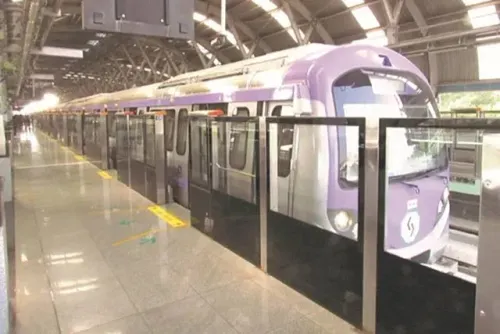
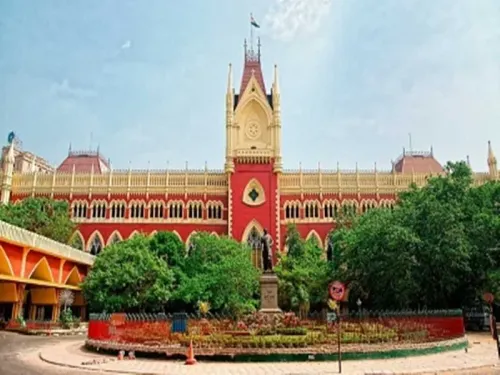
The Calcutta High Court has permitted construction to begin on an underground metro station in the Bidhan Chandra Roy Market — popularly known as Bidhan Market — in central Kolkata, clearing a key hurdle for the Joka-BBD Bag Metro project, also designated the Kolkata Metro Purple Line. The order, delivered on Monday by a bench of Justice Partha Sarathi Chatterjee, directs that work must commence within seven days.
What the Court Ordered
Rail Vikas Nigam Limited (RVNL), the agency executing the project, must furnish a written assurance that all displaced shopkeepers will be reinstated at their original premises once construction is complete. The court stipulated that relocation may proceed only after arrangements for water, electricity, and security are in place at the temporary site. Minimum services must be maintained throughout the transition.
The bench also stated that the appeals of the shopkeepers would be given due importance, signalling that their interests remain before the court even as construction advances.
Background: Why Shopkeepers Went to Court
The dispute arose after the state government directed more than 500 traders to vacate the premises to enable demolition for the metro station. The Public Works Department had set 26 August as the deadline for traders to clear the Maidan Market. Initial communications indicated the move would begin from Wednesday.
Shopkeepers approached the High Court alleging that authorities were attempting to relocate them without any written commitment on their return. Advocates Firdous Shamim and Gopa Biswas argued on their behalf, contending that the market — built on Indian Army land in 1954 — is a significant wholesale hub in central Kolkata.
Temporary Relocation Plan
The shops are proposed to be temporarily shifted to the Mounted Police Paddock area. The court's insistence on prior infrastructure arrangements before any move can begin offers the traders a degree of procedural protection, even as it ultimately sided with allowing the metro project to proceed.
Significance for the Purple Line Project
The Joka-BBD Bag Metro corridor is a long-pending infrastructure project aimed at connecting the southern fringes of Kolkata to the city's commercial core. The Bidhan Market station is a critical node in this alignment. Delays at this site had stalled construction progress, making the High Court's green light significant for the project's overall timeline. This is not the first time metro expansion in Kolkata has triggered displacement disputes — similar conflicts have accompanied earlier phases of the city's expanding metro network.
What Happens Next
With the seven-day clock now running, RVNL must move quickly to provide the written assurance and complete relocation logistics. Any failure to meet the court's conditions could invite fresh legal challenges from the traders. The fate of more than 500 shopkeepers and their livelihoods will hinge on how faithfully the agency honours its commitments once the construction phase concludes.
Point of View
But procedural safeguards are bolted on. The critical question is enforcement: RVNL's written assurance is only as good as the mechanism to hold it accountable post-construction. Kolkata's metro expansion history shows a pattern where displaced traders and residents struggle to reclaim promised spaces once development concludes. The 500-plus shopkeepers at Bidhan Market, operating since 1954, are not a fringe constituency — they represent a dense wholesale ecosystem. Whether the court retains supervisory jurisdiction over RVNL's compliance will determine if this order is a genuine protection or a procedural fig leaf.
NationPress
9 Oct 2026
Frequently Asked Questions
What did the Calcutta High Court order regarding Bidhan Market?
The Calcutta High Court allowed construction of an underground metro station at Bidhan Chandra Roy Market in central Kolkata to begin within seven days. It directed RVNL to provide a written assurance that displaced shopkeepers will be returned to their original premises after construction is complete.
Which metro project requires the demolition of Bidhan Market?
The Joka-BBD Bag Metro project, officially designated the Kolkata Metro Purple Line, requires an underground station at the Bidhan Market site. The corridor is designed to connect Kolkata's southern areas to the city's commercial core at BBD Bag.
How many shopkeepers are affected and where will they be moved?
More than 500 traders face temporary displacement. The court approved their relocation to the Mounted Police Paddock area, but only after arrangements for water, electricity, and security are confirmed at the new site.
Why did shopkeepers approach the High Court?
Shopkeepers filed a petition after state authorities asked them to vacate without providing any written commitment on their return. They argued that Bidhan Market, built on Indian Army land in 1954, is an important wholesale market and that relocation without guarantees left their livelihoods at risk.
What conditions must RVNL meet before the relocation can begin?
RVNL must provide a written assurance of reinstatement after construction and ensure that water, electricity, and security arrangements are in place at the temporary relocation site before any shopkeeper is moved.