CAQM expands NCR dust crackdown to plots under 500 sq m
Synopsis
CAQM has quietly but significantly widened its dust enforcement net — plots under 500 sq m, long a regulatory blind spot, are now squarely in scope. With nine new cities added and a mandatory monthly reporting regime introduced, this is the most expansive structural upgrade to NCR's construction dust rules since Direction No. 86 was first issued in January 2025.
Key Takeaways
CAQM amended Statutory Direction No.
86 on 4 August 2026 to extend dust enforcement to C&D sites under 500 sq m .
New cities added to the enforcement net include Manesar, Karnal, Panipat, Rohtak, Meerut, Alwar, Bharatpur, Bhiwadi , and Neemrana .
Authorised agencies can now order site closures , initiate prosecution , and impose Environmental Compensation (EC) for gross violations.
During April–June 2026 , a total of 17,494 inspections were conducted across Delhi, Haryana, UP, and Rajasthan NCR districts.
All agencies must now submit a monthly status report on complaints and prosecutions to the Commission.
The Commission for Air Quality Management in NCR and Adjoining Areas (CAQM) has extended its enforcement powers to cover Construction and Demolition (C&D) sites on plots smaller than 500 sq m, empowering a wider set of civic agencies and Urban Local Bodies (ULBs) across the National Capital Region (NCR) to act against dust mitigation violations, an official said on Tuesday, 4 August 2026.
What the Amendment Changes
The CAQM issued an amendment on Monday to its Statutory Direction No. 86, originally issued on 2 January 2025 and previously amended on 24 June 2025. The latest revision widens the enforcement ambit by granting powers to initiate prosecution against gross violators to additional Municipal Corporations, Development Authorities, Municipal Councils, Municipal Boards, and ULBs across the NCR.
The amended direction also mandates that all agencies submit a monthly status report to the Commission on complaints and prosecutions filed, alongside the monthly progress reports already being submitted.
Why Smaller Plots Are Now in Focus
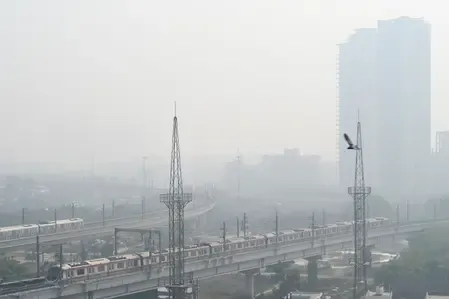
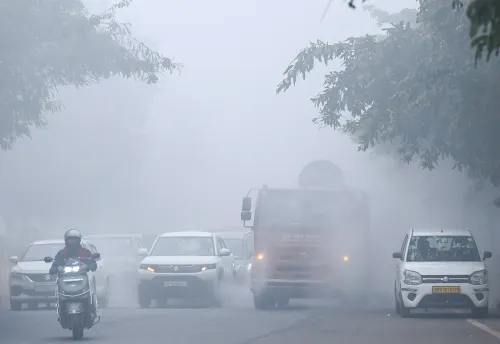
According to the Commission, a significant number of construction projects on plots under 500 sq m are ongoing across several Municipal Corporations and larger towns in the NCR. These sites collectively contribute substantially to the region's overall PM10 and PM2.5 load attributable to the C&D sector — a key driver of the NCR's chronic air quality crisis, particularly in the October–January period.
Notably, the earlier version of Statutory Direction No. 86 had authorised officials of the Municipal Corporation of Delhi (MCD), the New Delhi Municipal Council (NDMC), and ULBs in Gurugram, Faridabad, NOIDA, Greater NOIDA, Ghaziabad, and Sonipat to file complaints before a jurisdictional Judicial Magistrate. The latest amendment extends this reach significantly further.
New Cities Brought Under Enforcement Net
The expanded framework now covers additional cities and towns including Manesar, Karnal, Panipat, Rohtak, Meerut, Alwar, Bharatpur, Bhiwadi, and Neemrana. Authorised officials in these areas can now order site closures and impose or realise Environmental Compensation (EC) in cases of gross violations, including those relating to the Graded Response Action Plan (GRAP) schedule for C&D activities.
Scale of Inspections So Far
During the last quarter — April to June 2026 — enforcement agencies undertook 16,195 inspections at C&D sites in Delhi, 909 in Haryana (NCR), 230 in Uttar Pradesh (NCR), and 160 in the NCR districts of Rajasthan, according to the official statement.
The new monthly reporting requirement is expected to strengthen accountability and facilitate closer monitoring of enforcement actions across the region. With winter approaching, the pressure on NCR air quality regulators to demonstrate measurable progress will only intensify.
Point of View
Which collectively punch well above their weight on PM10 and PM2.5 loads, had effectively escaped scrutiny. Bringing nine additional cities under the prosecution framework is the right move, but the real test is whether ULBs in towns like Neemrana or Bharatpur have the inspection capacity to act on these new powers. Mandating monthly status reports is a sound accountability mechanism, but its value depends entirely on whether CAQM publicly releases that data — something it has not consistently done with earlier reporting requirements.
NationPress
19 Sept 2026
Frequently Asked Questions
What is CAQM's Statutory Direction No. 86 and what does the latest amendment do?
Statutory Direction No. 86 is a CAQM order that empowers civic officials to prosecute gross violators of dust mitigation norms at construction and demolition sites in the NCR. The amendment issued on 4 August 2026 extends these powers to cover smaller plots under 500 sq m and brings additional cities — including Meerut, Karnal, and Alwar — under the enforcement framework.
Why are construction sites under 500 sq m now being targeted?
CAQM identified that a large number of construction projects on plots smaller than 500 sq m are ongoing across the NCR and contribute significantly to the region's PM10 and PM2.5 pollution load. These smaller sites had previously fallen outside the direct enforcement scope of the earlier direction.
Which new cities have been added to the CAQM enforcement net?
The amended direction extends enforcement powers to Manesar, Karnal, Panipat, Rohtak, Meerut, Alwar, Bharatpur, Bhiwadi, and Neemrana, in addition to the cities already covered — including Delhi, Gurugram, Faridabad, NOIDA, Greater NOIDA, Ghaziabad, and Sonipat.
What actions can authorities now take against violators?
Authorised officials can file complaints before a jurisdictional Judicial Magistrate, order closure of non-compliant sites, and impose or realise Environmental Compensation for gross violations, including those related to the GRAP schedule for construction and demolition activities.
How many inspections have been conducted at NCR construction sites recently?
During April to June 2026, enforcement agencies conducted 16,195 inspections in Delhi, 909 in Haryana's NCR districts, 230 in Uttar Pradesh's NCR districts, and 160 in Rajasthan's NCR districts — totalling over 17,000 inspections in a single quarter.