How is CAQM Tightening Its Hold on Waste Burning with Firm Deadlines for NCR States?
Synopsis
The CAQM's latest directives aim to address the critical issue of waste management in the NCR, emphasizing immediate actions to combat air pollution. With specific deadlines for remediation and enhanced monitoring, the Commission is determined to tackle the ongoing challenges posed by waste burning and inadequate segregation methods.
Key Takeaways
Immediate action is required to tackle waste management issues in NCR.
CAQM has set firm deadlines for legacy waste remediation.
Enhanced monitoring and surveillance are crucial for effective implementation.
Public health is directly impacted by the open burning of waste.
Collaboration between all stakeholders is essential for success.
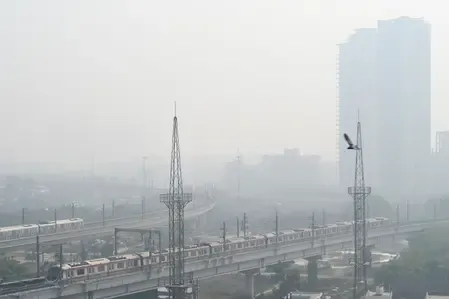
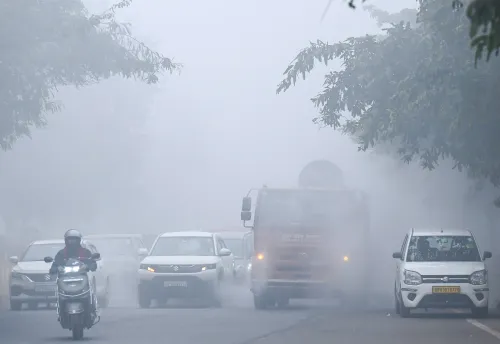
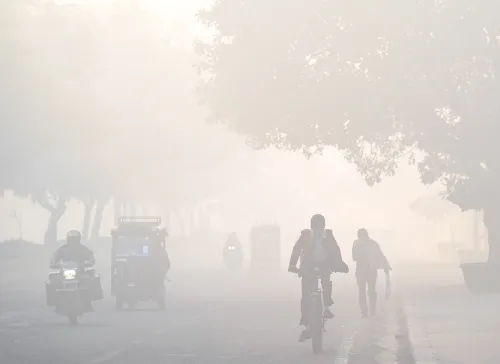
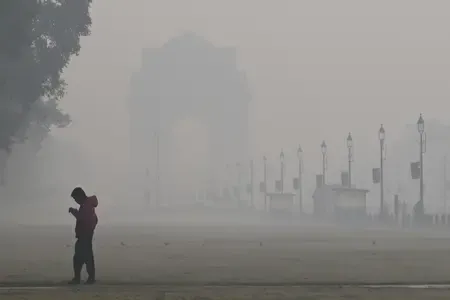
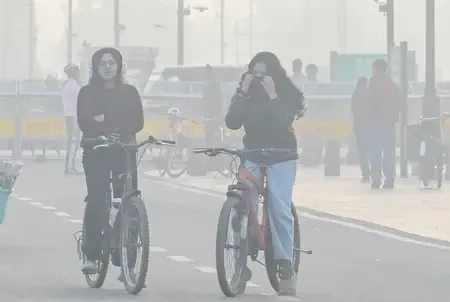
New Delhi, Dec 18 (NationPress) The Commission for Air Quality Management (CAQM) has introduced a series of stringent, deadline-oriented measures aimed at enhancing the management of Municipal Solid Waste (MSW) throughout the National Capital Region (NCR). They have issued a warning that ongoing deficiencies in waste management and the practice of open burning are exacerbating air pollution during the winter months.
After a thorough evaluation involving the NCR state governments, municipal authorities, and pollution control agencies, the CAQM identified enforcement shortcomings, delays in addressing legacy waste, and poor waste segregation as major issues.
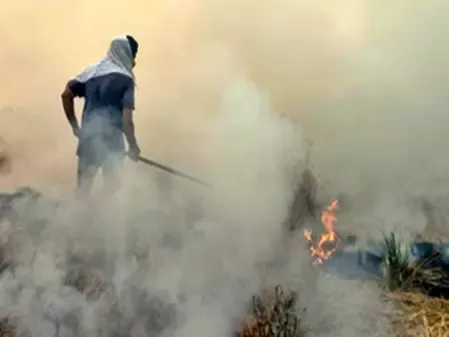
The CAQM emphasized that, despite the existing infrastructure, the open burning of municipal waste and biomass continues to pose a significant threat to public health.
In the capital city, the Municipal Corporation of Delhi (MCD) has been tasked with clearing 143.09 lakh metric tonnes of legacy waste by December 2027, with a required processing rate of approximately 3.5 lakh metric tonnes each month.
The Commission has mandated the immediate enhancement of waste processing facilities, increased surveillance at hotspots for garbage, spill-free transportation, and intensified door-to-door waste segregation initiatives.
Bulk Waste Generators are required to implement on-site processing of wet waste within a month, while the Delhi Pollution Control Committee is to conduct rigorous monitoring of waste-to-energy facilities and provide monthly compliance updates.
In Haryana's NCR regions, such as Gurugram, Faridabad, and Sonipat, the CAQM has noted considerable delays in biomining and infrastructure development.
Gurugram must finalize tendering for the remediation of 14 lakh metric tonnes of legacy waste by January 20, 2026, while Faridabad is required to find land for decentralized processing units within two months, operational by April 2026.
NCR cities in Uttar Pradesh, including Noida, Greater Noida, and Ghaziabad, have been criticized for inconsistent waste segregation and coordination issues.
Officials have been prohibited from requesting further extensions for setting up processing facilities and instructed to ensure 100% end-to-end waste segregation.
In Rajasthan's NCR towns of Bharatpur, Alwar, and Bhiwadi, inadequate progress has led to directives for accelerated remediation, monitoring, and the development of zero-waste communities.
The CAQM stated that it will closely monitor the implementation of these measures, conduct follow-up assessments, and take action against non-compliant agencies, reiterating that effective waste management is crucial for tackling the air pollution crisis in the NCR.
Point of View
I believe the CAQM's proactive approach in enforcing stringent waste management protocols is essential for the health of NCR residents. The persistent air quality issues require immediate and effective solutions, and the Commission's commitment to oversight and accountability is commendable. However, it remains crucial that local authorities and waste generators cooperate fully to achieve these ambitious targets.
NationPress
26 Sept 2026
Frequently Asked Questions
What is the main goal of CAQM's new directives?
The primary aim is to enhance Municipal Solid Waste management in the NCR and reduce air pollution caused by waste burning.
What are the deadlines set by CAQM?
The CAQM has set a deadline for Delhi's MCD to remediate 143.09 lakh metric tonnes of legacy waste by December 2027.
How does open burning affect public health?
Open burning of waste releases harmful pollutants into the air, directly contributing to respiratory issues and other health problems.
What are Bulk Waste Generators required to do?
They are mandated to ensure on-site processing of wet waste within one month.
How will CAQM monitor compliance?
The CAQM will conduct follow-up reviews and strict monitoring of waste processing facilities and compliance reports.