Did CAQM Inspect 142 Roads in Noida for Dust Control?
Synopsis
In a proactive move, the CAQM has inspected 142 road stretches in Noida to assess dust mitigation measures and road maintenance. The initiative aims to enhance air quality by identifying hotspots for dust and waste accumulation. With encouraging findings, the CAQM emphasizes the importance of sustained efforts for cleaner roads in the NCR region.
Key Takeaways
CAQM inspected 142 roads in Noida for dust control.
Only four roads showed high visible dust levels.
Need for targeted action at identified hotspots.
Focus on regular mechanical sweeping and waste management.
Commitment to cleaner, dust-free roads in the NCR region.
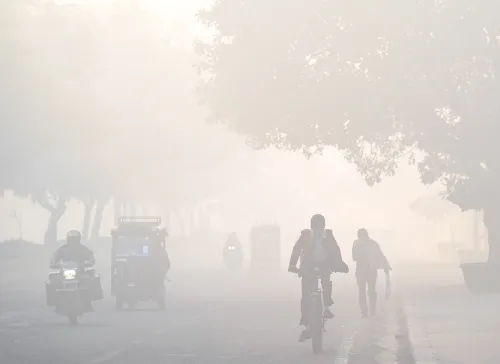
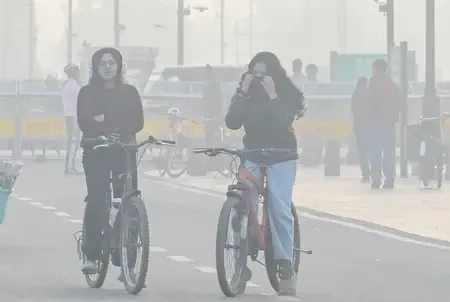
New Delhi, Jan 6 (NationPress) The Commission for Air Quality Management (CAQM) has launched an inspection initiative in Noida to evaluate the effectiveness of road cleaning, mechanical sweeping, and overall maintenance of roads overseen by the Noida Authority. This effort is part of the ongoing monitoring and enforcement actions aligned with the Graded Response Action Plan (GRAP), according to an official statement released on Tuesday.
The inspection took place on Monday across 142 road segments under the Noida Authority's management. The primary goal was to assess the implementation of dust control measures and identify issues such as visible road dust, municipal solid waste (MSW) accumulation, construction and demolition (C&D) waste, and instances of open burning.
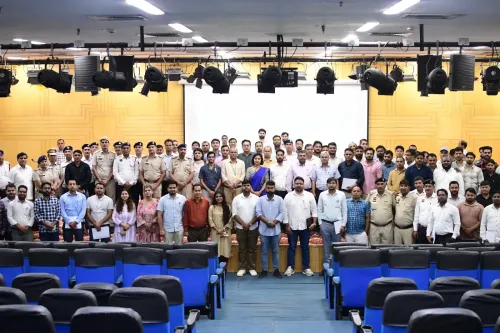
Ten teams, which included personnel from the Uttar Pradesh Pollution Control Board (UPPCB) and the CAQM flying squad, were tasked with conducting the inspections. They gathered geo-tagged and time-stamped photographic evidence, which was compiled into a comprehensive inspection report for the Commission.
The results were fairly positive; among the 142 stretches inspected, only four displayed high visible dust levels, while 24 were found to have moderate dust, 66 exhibited low dust intensity, and 48 had no visible dust at all.
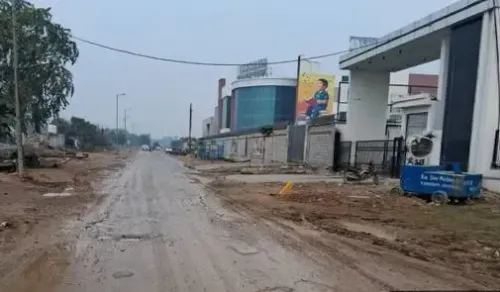
The few stretches with significant dust levels were often linked to MSW and/or C&D waste accumulation, particularly in areas like under flyovers, Metro corridors, and specific main roads. These findings underscore the necessity for targeted actions to manage dust and waste effectively.
The CAQM stressed the importance of ongoing and intensified efforts, especially at sensitive spots, through regular mechanical cleaning, timely waste collection and disposal, effective water sprinkling, and strict measures against waste dumping and open burning.
Inspection and enforcement efforts under ‘Operation Clean Air’ will be routinely conducted across the NCR to ensure adherence to regulations and GRAP guidelines for dust management and the prevention of open burning. The CAQM reiterated its commitment to collaborating closely with all relevant agencies in the NCR to maintain clean, green, and dust-free roads in the area.
Point of View
I acknowledge the significance of the CAQM's inspection in Noida. This initiative reflects a proactive approach to managing air quality and ensuring public health. The findings indicate progress, but continued efforts are essential to address the challenges of dust and waste. It’s vital that agencies work collaboratively to maintain clean and safe roads for the community.
NationPress
30 Sept 2026
Frequently Asked Questions
What was the purpose of the CAQM inspection in Noida?
The CAQM inspection aimed to evaluate the effectiveness of road cleaning and dust mitigation measures on 142 road stretches maintained by the Noida Authority.
How many teams were involved in the inspection?
Ten teams consisting of officers from the Uttar Pradesh Pollution Control Board and the CAQM flying squad conducted the inspection.
What were the overall findings of the inspection?
Out of the 142 stretches inspected, four had high visible dust levels, while 24 had moderate dust, 66 recorded low dust intensity, and 48 had no visible dust.
What measures will be taken following the inspection?
The CAQM emphasized the need for ongoing mechanical sweeping, timely waste disposal, effective water sprinkling, and strict enforcement against waste dumping and open burning.
How does this inspection link to broader air quality efforts?
This inspection is part of the CAQM's continuous monitoring and enforcement actions under the Graded Response Action Plan (GRAP) to enhance air quality across the NCR.