What Steps Did CAQM Take to Mitigate Dust on Gurugram Roads?
Synopsis
The CAQM's recent review of dust mitigation efforts in Gurugram reveals alarming findings, with many road stretches showing significant dust accumulation. Immediate action is required to improve road conditions and manage waste effectively.
Key Takeaways
CAQM reviewed dust mitigation measures in Gurugram.
High visible dust levels found in 34 out of 125 inspected stretches.
Significant municipal waste and C&D waste accumulation noted.
Immediate corrective measures required for effective waste management.
Enhanced oversight and operations by MCG are essential.
Gurugram, Dec 27 (NationPress) The Commission for Air Quality Management in the NCR and neighboring regions (CAQM) evaluated the effectiveness of dust mitigation strategies, as well as road-cleaning and sweeping operations, managed by the Municipal Corporation Gurugram (MCG), an official reported on Saturday.
This inspection occurred on Friday as part of ongoing monitoring and enforcement actions under the legally established Graded Response Action Plan (GRAP). The aim was to assess compliance with dust mitigation protocols and to identify related challenges such as the buildup of road dust, municipal solid waste, construction and demolition (C&D) waste, and instances of open burning.
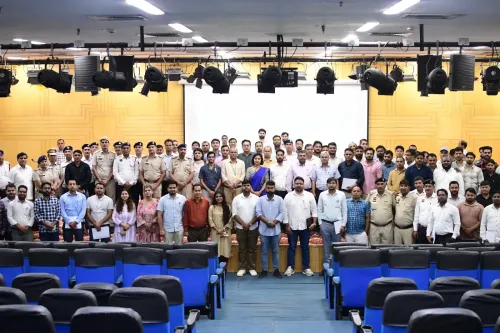
Seventeen inspection teams, which included 15 from the Haryana State Pollution Control Board (HSPCB) and two from the Central Pollution Control Board (CPCB), were assigned by the Commission to inspect 125 road stretches overseen by the MCG in Gurugram.
The inspection teams collected geo-tagged and time-stamped photographs to compile a comprehensive inspection report for the Commission.
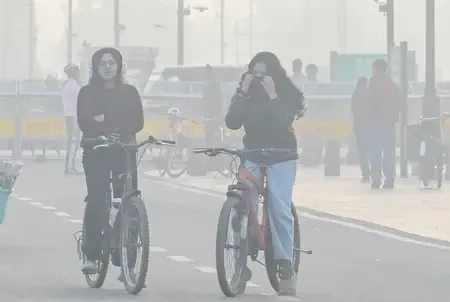
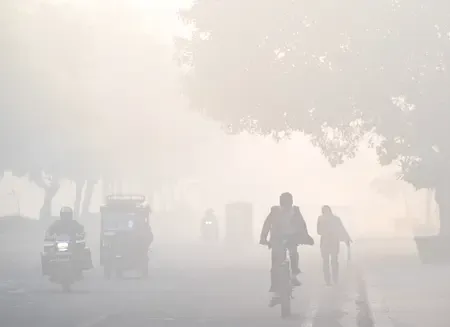
The results indicated that among the 125 road stretches inspected, 34 showed high visible dust levels, 58 had moderate dust, 29 recorded low dust levels, and only four stretches were free of visible dust, as stated in the report.
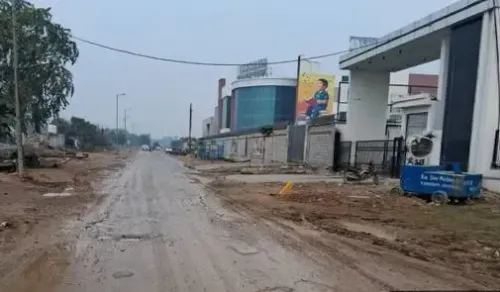
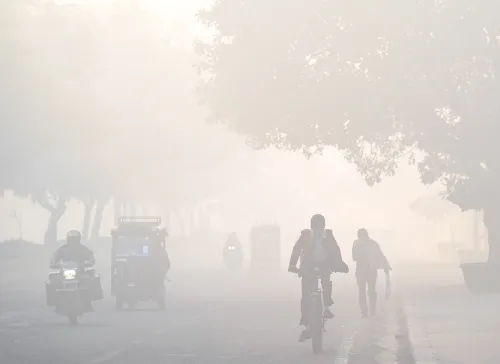
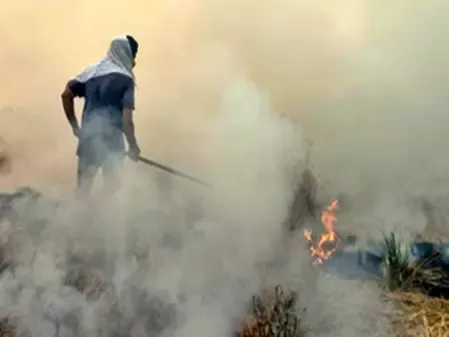
Many stretches with high visible dust also displayed considerable accumulation of municipal solid waste and C&D waste, alongside numerous instances of open burning. This points to significant shortcomings in routine road maintenance, waste management, and field-level enforcement.
Several road segments throughout various wards and sectors of Gurugram, including residential areas, internal roads, and main arteries, were noted for ongoing dust accumulation and waste dumping, the report added.
The occurrence of open burning and unmanaged waste across multiple stretches further worsened the dust situation, underscoring the urgent need for immediate corrective actions and enhanced oversight by the responsible agency.
The Commission noted that the overall findings suggest a pressing need for the MCG to enhance its on-ground operations, particularly in terms of consistent mechanical sweeping, timely removal and scientifically sound disposal of collected dust and waste, active water sprinkling and dust-suppression initiatives, and stringent measures against open burning.
The Commission stressed that persistent and targeted efforts are crucial to achieve noticeable improvements in road conditions and to avert the re-accumulation of dust and waste.
Point of View
The CAQM's findings present a critical challenge for urban management in Gurugram. The need for effective dust control and waste management is imperative not only for public health but also for environmental sustainability. The ongoing issues of dust accumulation and open burning highlight the urgency of a coordinated response.
NationPress
30 Sept 2026
Frequently Asked Questions
What is the purpose of the CAQM inspection?
The CAQM inspection aims to evaluate compliance with dust mitigation measures, assess road maintenance, and identify issues related to dust accumulation and waste management.
How many road stretches were inspected?
A total of 125 road stretches under the jurisdiction of the Municipal Corporation Gurugram were inspected.
What were the findings of the inspection?
Out of the inspected stretches, 34 had high visible dust levels, 58 showed moderate levels, and only 4 were free of visible dust.
What actions are recommended by the CAQM?
The CAQM recommends enhancing mechanical sweeping, timely waste disposal, water sprinkling, and strict measures against open burning.
Why is this issue important?
Dust accumulation and poor waste management can severely affect air quality and public health, making it a critical issue for urban areas.