Caste census: Congress calls 'Chalo Delhi' march on Nov 1 for OBC column
Synopsis
Congress has launched a three-stage national agitation — from taluka Satyagrahas on Gandhi Jayanti to a 'Chalo Delhi' march on 1 November — with one central demand: a dedicated OBC column in the caste census. With 65-plus OBC organisations already on board and the Maratha reservation fault line still raw in Maharashtra, the political stakes ahead of the next electoral cycle could not be higher.
Key Takeaways
Congress leader Vijay Wadettiwar announced a 'Chalo Delhi' march for 1 November demanding a separate column for OBCs in the caste census.
A three-phase agitation is planned: taluka-level Satyagraha on 2 October , district marches on 25 October , and the Delhi rally on 1 November .
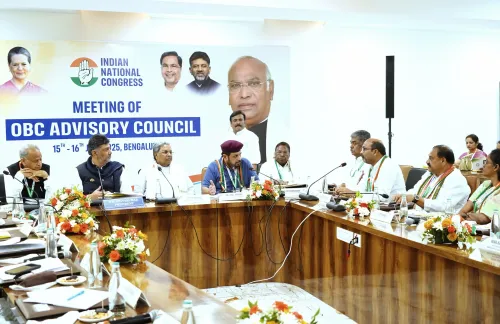
Nearly 65 OBC organisations from across the country held a preliminary meeting in Delhi on 13 September ahead of the campaign launch.
Wadettiwar accused the Maharashtra government of stalling funds to welfare bodies Mahajyoti and BARTI and delaying student scholarships.
The OBC community firmly opposed any diversion of its reservation quota toward Maratha demands, warning of sustained resistance if constitutional rights are encroached upon.
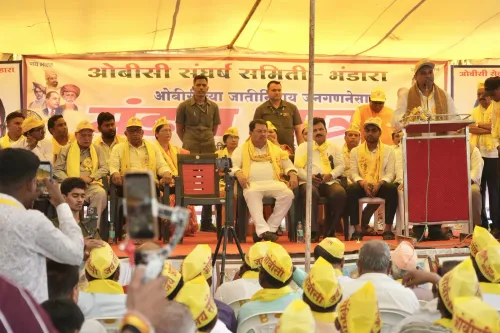
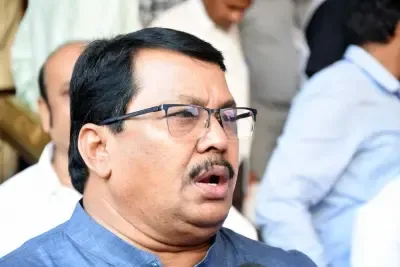
Congress leader Vijay Wadettiwar on Saturday, 19 September 2026, announced a phased nationwide agitation demanding a dedicated column for Other Backward Classes (OBC) in the upcoming caste-based census, culminating in a 'Chalo Delhi' mass rally on 1 November. The announcement came out of a key Vidarbha-level conclave of OBC leaders, office-bearers, and activists convened in Nagpur to address longstanding community grievances.
The Three-Phase Agitation Roadmap
The agitation strategy follows a preliminary meeting of nearly 65 OBC organisations from across the country held in Delhi on 13 September. The phased plan is structured as follows: on 2 October (Gandhi Jayanti and Lal Bahadur Shastri Jayanti), taluka-level Satyagraha — peaceful protests — will be organised across the state; on 25 October, district-level protest marches will be held; and on 1 November, the 'Chalo Delhi' rally will press the central government to act. The exact framework of the Delhi demonstration is to be finalised in consultation with allied organisations nationwide.
What Wadettiwar Said
Wadettiwar, who serves as the Congress Legislature Party leader in the Maharashtra Assembly, was unambiguous about the community's position. 'Our demand is explicit: there must be a caste-wise census with a dedicated column for OBCs. The government's current decisions regarding the census process have sparked widespread discontent within the OBC community. If the true population of OBCs is not accurately documented, issues surrounding their political representation and reservation benefits will become increasingly severe,' he said.
He argued that without precise enumeration, both political representation and reservation entitlements for OBCs would face mounting uncertainty — a concern he said is shared by organisations across party lines.
Funding Stalls and Scholarship Delays
Beyond the census question, Wadettiwar levelled allegations against the Maharashtra state government over what he described as stalling tactics in releasing funds to autonomous welfare institutions including Mahajyoti and BARTI. He urged the administration to disburse funding proportional to population size and ensure timely release of both pre-matric and post-matric scholarships for students from marginalised communities. Critics argue that delays in scholarship disbursement disproportionately affect first-generation learners from OBC households.
The Maratha Reservation Fault Line
Wadettiwar also weighed in on the politically charged debate over Maratha reservation in Maharashtra, reaffirming that the OBC community firmly opposes any dilution of its existing quota. 'The government should not slice away rights from one community to satisfy another. If the government wants to grant reservation to any group, it should do so independently. Do not allocate any portion of the OBC quota to others. If our constitutional rights are encroached upon, we will not sit quietly,' he cautioned. This comes amid the ongoing agitation led by Maratha quota activist Manoj Jarange-Patil, which has repeatedly demanded that OBC sub-categories be extended to include certain Maratha communities — a demand OBC groups have consistently resisted.
Why the OBC Column Demand Matters
The demand for a separate OBC column in the caste census is not new, but it has gained urgency following the Centre's announcement of a nationwide caste enumeration. OBC groups argue that without a distinct count, their proportion of the population — estimated but never officially verified since the 1931 Census — remains contested, weakening their claims to proportional representation in legislatures and government jobs. Notably, the Socio-Economic and Caste Census of 2011 data for social groups was never fully published, a gap that has fuelled distrust. Congress's decision to adopt the issue as a mass mobilisation plank signals the party's intent to consolidate OBC support ahead of upcoming electoral cycles.
How the Centre responds to the 1 November rally is likely to shape the trajectory of caste-census politics well into 2027.
Point of View
And the 2011 SECC social data was never fully published — a failure of successive governments, including Congress-led ones. Wadettiwar's warnings on the Maratha quota front sharpen the intra-community tension in Maharashtra, where any Centre move to accommodate Maratha demands from within the OBC pool risks igniting a fresh agitation. The real test is whether the 'Chalo Delhi' rally translates into a genuine cross-party, cross-state movement or remains a Congress-branded exercise in a politically favourable news cycle.
NationPress
19 Sept 2026
Frequently Asked Questions
What is the 'Chalo Delhi' march announced by Congress on 19 September?
It is a mass rally called for 1 November in Delhi, demanding that the upcoming nationwide caste census include a separate, dedicated column for Other Backward Classes (OBC). The march is the culmination of a three-phase agitation announced by Congress leader Vijay Wadettiwar after a Vidarbha-level OBC conclave in Nagpur.
Why are OBC groups demanding a separate column in the caste census?
OBC groups argue that without a distinct enumeration, their actual share of the population — officially unverified since the 1931 Census — remains contested, undermining claims to proportional political representation and reservation benefits. They say inaccurate counts directly harm community welfare.
What is the phased agitation schedule announced by Vijay Wadettiwar?
The agitation has three stages: taluka-level Satyagraha (peaceful protests) on 2 October (Gandhi Jayanti), district-level marches across Maharashtra on 25 October, and the 'Chalo Delhi' national rally on 1 November. The exact format of the Delhi event will be finalised with allied organisations.
What is Congress's position on Maratha reservation and the OBC quota?
Congress leader Vijay Wadettiwar has firmly opposed any diversion of the existing OBC quota to accommodate Maratha reservation demands. He stated that if the government wishes to extend reservation to any other community, it must do so without touching OBC entitlements, warning of sustained resistance if constitutional rights are encroached upon.
Who participated in the preparatory meeting that preceded this announcement?
A preliminary meeting of nearly 65 OBC organisations from across India was held in Delhi on 13 September, laying the groundwork for the phased agitation plan. The Nagpur conclave on 19 September, involving Vidarbha-level OBC leaders and activists, finalised the campaign strategy.