Thrissur Blast: Orthodox Catholicos Urges Simple Fests, Social Work
Synopsis
After the Thrissur Pooram fireworks blast killed 14 people, the head of the Malankara Orthodox Syrian Church made a striking appeal: skip the spectacle, build homes for the poor instead. The Catholicos call for austerity in celebrations adds moral weight to growing demands for fireworks safety reform across Kerala.
Key Takeaways
Baselios Marthoma Mathews III , supreme head of the Malankara Orthodox Syrian Church , called for simpler celebrations following the Thrissur Pooram fireworks blast on April 22, 2025 .
At least 14 people were killed in the explosion at fireworks storage sheds near Thrissur , days before the scheduled festival display.
The Catholicos proposed redirecting funds from annual church feasts toward social welfare initiatives, including housing for the underprivileged.
The Malankara Orthodox Syrian Church , headquartered in Kottayam , is one of the largest non-Catholic Christian denominations in Kerala , giving the appeal significant public weight.
Several Kerala churches had already begun reducing fireworks budgets in recent years, reflecting a gradual cultural shift in festival practices.
The tragedy has intensified calls for tighter government regulation of fireworks at large public festivals, echoing unresolved concerns since the 2016 Puttingal Temple fire that killed over 100 people .
Kottayam, April 23: In the wake of the deadly Thrissur Pooram fireworks explosion that claimed 14 lives on Tuesday, April 22, Baselios Marthoma Mathews III, the supreme head of the Malankara Orthodox Syrian Church, has called on religious institutions and the public to embrace simpler celebrations and channel resources toward meaningful social welfare activities.
Catholicos Calls for Shift in Celebration Culture
Addressing churches under his jurisdiction from the Church's headquarters in Kottayam, Mathews III urged a fundamental rethinking of how faith communities celebrate festivals. His appeal comes at a time when Kerala is grappling with grief and outrage following the catastrophic blast at sheds where fireworks were being stored and prepared for the Thrissur Pooram — one of the state's most iconic and beloved temple festivals.
The explosion occurred just days before the scheduled grand fireworks display, casting a dark shadow over the festivities and reigniting long-standing debates about safety protocols and the unchecked scale of pyrotechnic displays in densely populated areas.
Saints are not pleased by fireworks, but by the purity of a believer's heart, the Catholicos stated, emphasizing that genuine faith must manifest through inner devotion rather than external spectacle. He further noted that God is not pleased by excess, but by love, compassion, and care for fellow human beings.
Redirecting Feast Funds Toward the Underprivileged
One of the most concrete proposals put forward by Mathews III was the redirection of funds typically allocated for annual church feasts toward substantive social initiatives. He specifically highlighted the construction of homes for the underprivileged as a worthy alternative use of such resources.
Let us set an example by using these resources to support those in need, he said, framing the gesture not merely as charity but as a moral imperative for faith communities in times of tragedy.
Notably, this appeal is not without precedent within the Christian community in Kerala. In recent years, several churches that previously organized large-scale fireworks displays as part of their annual festivals have already significantly trimmed their budgets for such events — a quiet but telling cultural shift already underway before this tragedy.
The Thrissur Pooram Blast: What Happened
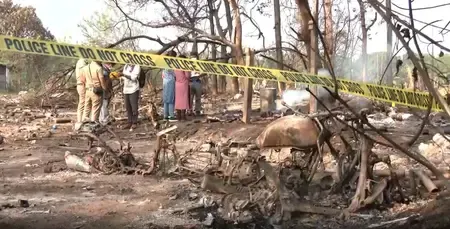
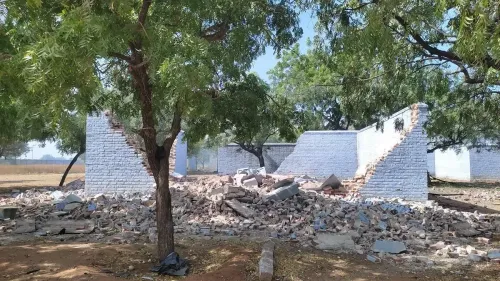
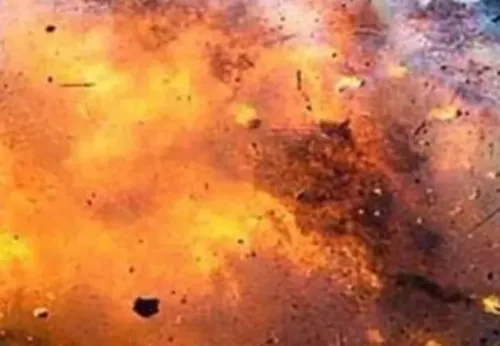
The explosion occurred on Tuesday, April 22, at storage sheds where fireworks were being assembled for the Thrissur Pooram festival's celebrated pyrotechnic competition. The blast resulted in the deaths of at least 14 individuals, with several others sustaining serious injuries. Investigations into the precise cause of the explosion are ongoing.
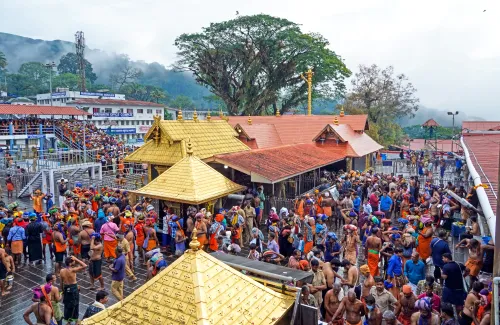
The Thrissur Pooram, held annually at the Vadakkunnathan Temple in Thrissur, is widely regarded as the most spectacular temple festival in Kerala and draws hundreds of thousands of spectators. Its fireworks display — a competitive event between rival groups — is a central attraction, but has also been a subject of recurring safety concerns over the decades.
This is not the first time fireworks-related accidents have marred Kerala's festival season. A catastrophic fire at the Puttingal Temple in Paravur, Kollam, in April 2016 killed over 100 people and injured hundreds, yet comprehensive regulatory reform on fireworks storage and handling has remained elusive in the years since.
Moral Authority and Broader Social Impact
The Malankara Orthodox Syrian Church, headquartered in Kottayam, is one of the largest non-Catholic Christian denominations in Kerala, with a substantial following across the state. The Catholicos intervention therefore carries significant moral weight in Kerala's public discourse, extending the conversation beyond temple festival safety into a wider cultural and ethical reckoning.
His statement adds to a growing chorus of religious leaders, civil society voices, and safety experts calling for tighter regulation of large-scale fireworks displays — particularly in densely populated areas where the risk to life is exponentially higher.
Critics have long argued that the competitive nature of fireworks displays at major festivals creates perverse incentives to stockpile larger quantities of explosives, often in inadequate storage conditions and with insufficient oversight from authorities.
What to Expect Next
As forensic and administrative investigations into the Thrissur blast continue, pressure is mounting on the Kerala government to introduce stricter licensing, storage, and safety norms for fireworks at public festivals. The tragedy is also expected to accelerate ongoing conversations within religious communities — both Christian and Hindu — about the appropriate scale of celebrations and the social responsibilities that come with institutional resources. The outcome of these investigations and any resulting policy changes will be closely watched across India, where fireworks-related festival accidents remain a recurring and largely unaddressed public safety crisis.
Point of View
But it also exposes a deeper institutional failure: Kerala has witnessed catastrophic fireworks disasters repeatedly — most notably the 2016 Puttingal tragedy — yet regulatory reform has consistently stalled, caught between political will and the cultural sanctity of festival traditions. What makes this moment different is not just the religious voice calling for restraint, but the quiet admission embedded in it — that communities already know excess is wrong, yet continue unchecked. The real question is not whether saints prefer fireworks or devotion; it is why the state continues to license explosive stockpiling near civilian populations with minimal accountability. Grief without policy change is just a cycle.
NationPress
19 Sept 2026
Frequently Asked Questions
What did the Orthodox Catholicos say after the Thrissur Pooram blast?
Baselios Marthoma Mathews III, the supreme head of the Malankara Orthodox Syrian Church, called for simpler celebrations and urged churches to redirect feast funds toward social causes like building homes for the underprivileged. He stated that saints are pleased by the purity of a believer's heart, not by fireworks.
How many people died in the Thrissur Pooram fireworks explosion?
At least 14 people lost their lives in the Thrissur Pooram fireworks explosion that occurred on Tuesday, April 22, 2025. The blast took place at sheds where fireworks were being stored and prepared for the festival's pyrotechnic display.
What is the Malankara Orthodox Syrian Church and why does its leader's statement matter?
The Malankara Orthodox Syrian Church is one of the largest non-Catholic Christian denominations in Kerala, headquartered in Kottayam. Its supreme head's public statements carry significant moral authority in Kerala's social and religious discourse.
Has Kerala faced fireworks disasters at festivals before?
Yes, Kerala has a tragic history of fireworks-related festival accidents. The most devastating was the Puttingal Temple fire in Paravur, Kollam, in April 2016, which killed over 100 people and injured hundreds more, yet comprehensive safety reforms remained largely unimplemented.
What changes are being demanded after the Thrissur Pooram blast?
Religious leaders, civil society groups, and safety experts are calling for stricter licensing, storage regulations, and safety protocols for fireworks at public festivals across Kerala. The state government is under mounting pressure to introduce enforceable reforms to prevent future tragedies.