CBI files chargesheet against 13 accused in NEET-UG 2026 paper leak case
Synopsis
The CBI has filed a chargesheet against all 13 accused in the NEET-UG 2026 paper leak — a case that forced the cancellation of one of India's largest medical entrance exams and triggered a nationwide institutional response. With fast-track courts now being set up across states and Parliament debating a tougher amendment bill, the case is reshaping how India prosecutes examination fraud.
Key Takeaways
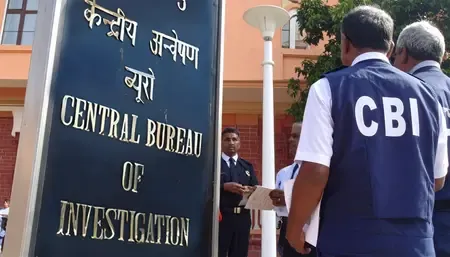
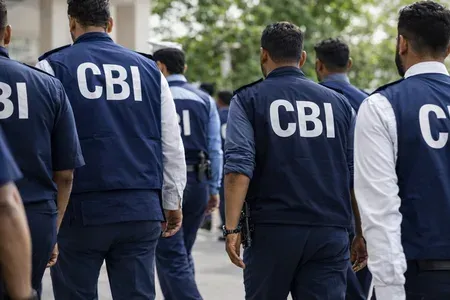
The CBI filed a chargesheet on 28 July against all 13 accused in the NEET-UG 2026 paper leak case before the Rouse Avenue Court , New Delhi.
All accused are in judicial custody and charged under the BNS 2023 , Prevention of Corruption Act, 1988 , and Public Examinations (Prevention of Unfair Means) Act, 2024 .
The CBI registered the case on 12 May after question papers were allegedly circulated on WhatsApp ; the original exam was cancelled and a re-examination held on 21 June .
The Delhi High Court and Patna High Court have constituted fast-track courts to exclusively try paper leak cases, with trials to be completed within three months of chargesheet filing.
The Lok Sabha began deliberations on the Public Examinations (Prevention of Unfair Means) Amendment Bill, 2026 , mandating investigations within two months and trials within three months .
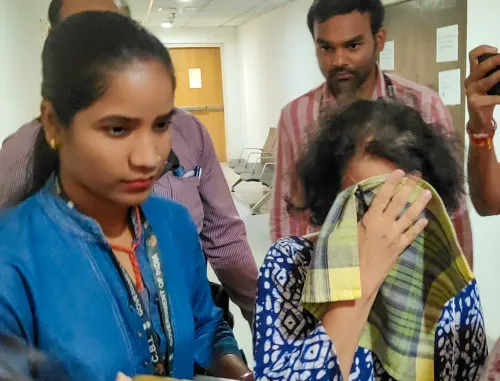
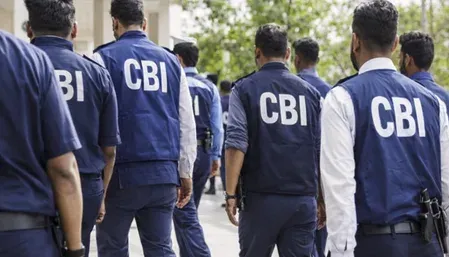
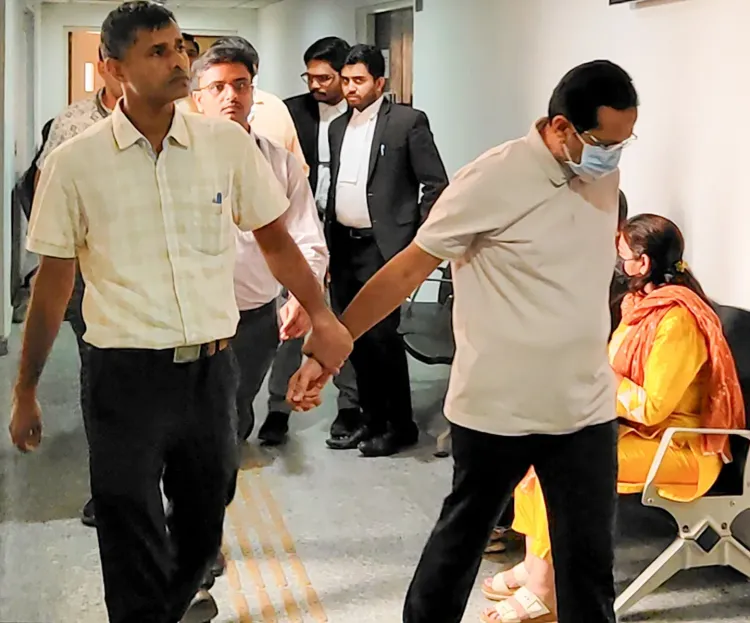
The Central Bureau of Investigation (CBI) on Tuesday, 28 July filed a chargesheet before a Delhi court against all 13 arrested accused in the NEET-UG 2026 paper leak case, marking a significant milestone in one of India's most high-profile examination fraud investigations. The chargesheet was filed before the Rouse Avenue Court and is set to be placed on Wednesday before a specially designated Fast Track Court constituted exclusively to hear paper leak cases.
The Accused and Charges
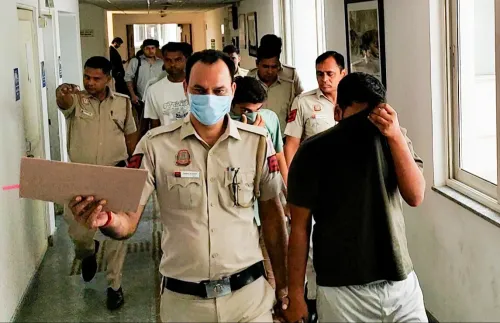
All 13 accused — Yash Yadav, Mangilal Biwal, Dinesh Biwal, Vikas Biwal, Shubham Khairnar, Dhananjay Lokhande, Prahlad Kulkarni, Tejas Harshad Kumar, Dr Manoj Bhagwanrao Shirure, Shivraj Raghunath Motegaonkar, Manisha Waghmare, Manisha Mandhare, and Manisha Sanjay Havaldar — are currently in judicial custody. They have been charged under Sections 315(5), 318(4), 61(2), 238 and 303(2) of the Bharatiya Nyaya Sanhita (BNS), 2023, as well as Sections 13(2) and 13(1)(a) of the Prevention of Corruption Act, 1988, and Sections 3, 4, 5, 10 and 11 of the Public Examinations (Prevention of Unfair Means) Act, 2024.
How the Case Unfolded
The CBI registered the case on 12 May following a complaint from the Department of Higher Education under the Union Ministry of Education, alleging that confidential NEET-UG 2026 question papers were circulated on WhatsApp before the examination. According to the probe agency, investigations uncovered an alleged nationwide network involving candidates, middlemen, coaching operators, and others. The original NEET-UG 2026 examination was subsequently cancelled, and a re-examination was conducted on 21 June under heightened security arrangements.
Fast-Track Courts and Legislative Push
The chargesheet comes amid a broader institutional response to paper leak offences. Following Prime Minister Narendra Modi's announcement on setting up fast-track courts for such cases, the Delhi High Court last week constituted a specially designated Fast Track Court at the Rouse Avenue Courts Complex to exclusively try offences under the Public Examinations (Prevention of Unfair Means) Act, 2024. On the same day the chargesheet was filed, the Patna High Court decided to establish three special fast-track courts in Patna, Lakhisarai, and Purnea for paper leak and examination-related offences, directing that trials be conducted on a day-to-day basis and, where possible, concluded within three months of chargesheet filing.
Amendment Bill in Parliament
Separately, the Lok Sabha on Tuesday began deliberations on the Public Examinations (Prevention of Unfair Means) Amendment Bill, 2026, which seeks to strengthen the existing legal framework by enhancing punishments, increasing financial penalties, and mandating fast-track courts for paper leak cases. The proposed legislation prescribes that investigations be completed within two months of reference by the Centre, with trials concluding, as far as possible, within three months of chargesheet filing.
With the chargesheet now before the court and legislative reforms under active consideration, the NEET-UG 2026 case is poised to become a test of India's newly strengthened examination integrity framework.
Point of View
And the response — fast-track courts, a tougher amendment bill, CBI involvement — signals that the political cost of inaction has finally outweighed the administrative inertia. What remains untested is whether the three-month trial timeline, ambitious on paper, will survive the reality of India's overburdened courts. The amendment bill's value will be judged not by its passage but by its first conviction.
NationPress
27 Oct 2026
Frequently Asked Questions
What is the NEET-UG 2026 paper leak case?
The NEET-UG 2026 paper leak case involves the alleged circulation of confidential question papers on WhatsApp before the national medical entrance examination. The CBI registered the case on 12 May following a complaint from the Department of Higher Education, and the original examination was subsequently cancelled; a re-examination was held on 21 June under heightened security.
Who are the 13 accused named in the CBI chargesheet?
The 13 accused are Yash Yadav, Mangilal Biwal, Dinesh Biwal, Vikas Biwal, Shubham Khairnar, Dhananjay Lokhande, Prahlad Kulkarni, Tejas Harshad Kumar, Dr Manoj Bhagwanrao Shirure, Shivraj Raghunath Motegaonkar, Manisha Waghmare, Manisha Mandhare, and Manisha Sanjay Havaldar. All are currently in judicial custody.
Under which laws have the accused been charged?
The accused have been charged under Sections 315(5), 318(4), 61(2), 238, and 303(2) of the Bharatiya Nyaya Sanhita (BNS), 2023, Sections 13(2) and 13(1)(a) of the Prevention of Corruption Act, 1988, and Sections 3, 4, 5, 10, and 11 of the Public Examinations (Prevention of Unfair Means) Act, 2024.
What fast-track courts have been set up for paper leak cases?
The Delhi High Court has constituted a specially designated Fast Track Court at the Rouse Avenue Courts Complex for offences under the Public Examinations (Prevention of Unfair Means) Act, 2024. The Patna High Court has also decided to establish three special fast-track courts in Patna, Lakhisarai, and Purnea, with trials to be conducted on a day-to-day basis and concluded within three months where possible.
What does the Public Examinations (Prevention of Unfair Means) Amendment Bill, 2026 propose?
The bill, currently under deliberation in the Lok Sabha, seeks to enhance punishments, increase financial penalties, and mandate fast-track courts for paper leak cases. It also prescribes that investigations be completed within two months of reference by the Centre and that trials conclude within three months of chargesheet filing.