Delhi court takes cognisance of CBI chargesheet in NEET-UG paper leak case
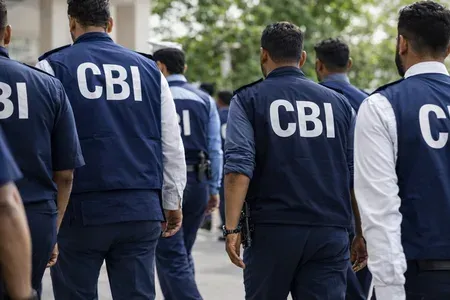
Synopsis
A Delhi Fast Track Court has taken cognisance of the CBI's chargesheet against 13 accused in the NEET-UG 2026 paper leak — one of the most extensively documented exam fraud cases in India, backed by 360 witnesses and 422 documents. The chargesheet lays bare how NTA experts allegedly walked out of a confidential section unchecked, with Chemistry questions written on paper slips, exposing systemic surveillance failures at the country's premier exam body.
Key Takeaways
A Delhi Fast Track Court took cognisance of the CBI chargesheet on 12 August in the NEET-UG 2026 paper leak case.
The CBI filed its chargesheet on 28 July against 13 accused , all currently in judicial custody.
Kulkarni allegedly smuggled out all 135 Chemistry questions on paper slips; no frisking was conducted at the NTA's confidential section.
The chargesheet cites 360 witnesses , 422 documents , and 43 material objects .
The NEET-UG 2026 original exam on 3 May was cancelled; a re-examination was held on 21 June .
The Fast Track Court at Rouse Avenue was constituted by the Delhi High Court on 23 July , following PM Modi's directive for speedy trials in exam leak cases.
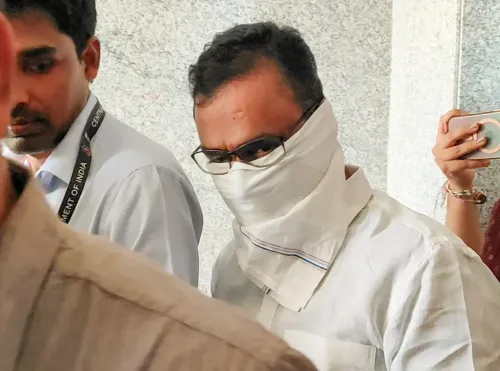
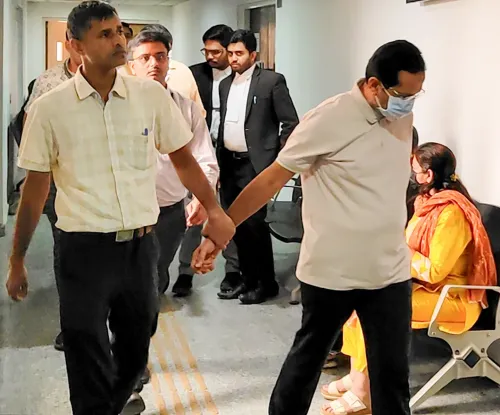
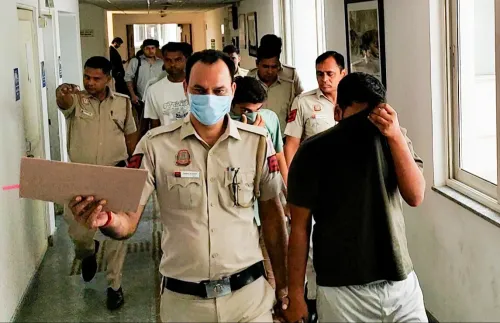
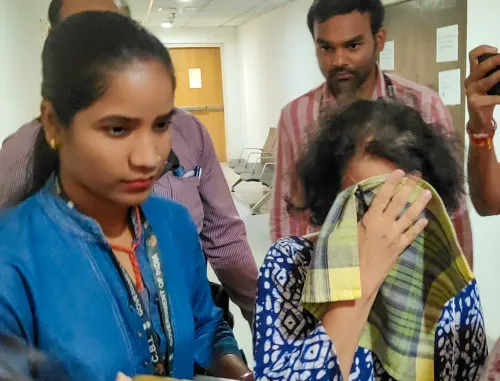
A Delhi Fast Track Court on Wednesday, 12 August took cognisance of the chargesheet filed by the Central Bureau of Investigation (CBI) against 13 accused in the alleged NEET-UG 2026 question paper leak case, setting the stage for charge-framing hearings to begin from Thursday. The matter is being heard before the specially designated Fast Track Court at the Rouse Avenue Courts Complex in New Delhi — constituted exclusively to handle offences under the Public Examinations (Prevention of Unfair Means) Act, 2024.
What the CBI Chargesheet Alleges
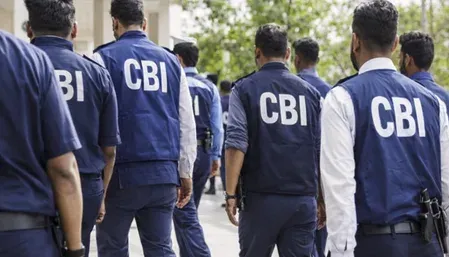
The CBI filed its chargesheet on 28 July, naming all 13 arrested accused and alleging that confidential NEET-UG question papers were leaked ahead of the 3 May examination through a network involving National Testing Agency (NTA) subject experts, middlemen, coaching operators, and others.
According to the probe agency, three NTA subject experts — entrusted with translation, back-translation, and proofreading of question papers — exploited security lapses to smuggle confidential exam questions out of the NTA's Delhi office. One accused, P.V. Kulkarni, allegedly wrote down all 135 Chemistry questions and their answer options on small slips of paper, concealing them while exiting the confidential section. The CBI noted that no frisking or checking of experts was conducted while entering or leaving that section.
Another accused, Manisha Gurunath Mandhare, allegedly used her familiarity with NCERT textbooks to reconstruct questions after returning to her hotel room, while Manisha Sanjay Havaldar reportedly noted down Physics questions in brief upon returning to her accommodation.
Security Failures Flagged at NTA
The CBI has highlighted serious lapses in surveillance infrastructure at the NTA office. According to the agency, only 20–25 days of CCTV backup was available, and there was no dedicated live-feed monitoring control room for the confidential section — a gap that allegedly allowed the leak to go undetected.
The chargesheet cites 360 witnesses, 422 documents, and 43 material objects in support of the prosecution's case — one of the most extensively documented exam fraud chargesheets in recent memory.
Charges and Legal Provisions
All 13 accused have been chargesheeted under Sections 315(5), 318(4), 61(2), 238, and 303(2) of the Bharatiya Nyaya Sanhita (BNS), 2023, along with provisions of the Prevention of Corruption Act, 1988, and the Public Examinations (Prevention of Unfair Means) Act, 2024. All 13 remain in judicial custody.
Background: The Fast Track Court and the Re-Examination
The CBI had registered the case on 12 May following a complaint from the Department of Higher Education under the Union Ministry of Education over alleged irregularities in the NEET-UG 2026 paper. The original examination, held on 3 May, was subsequently cancelled; a re-examination was conducted on 21 June under heightened security arrangements.
The Fast Track Court itself was constituted by the Delhi High Court on 23 July, following Prime Minister Narendra Modi's announcement of dedicated courts for swift and stringent action in examination paper leak cases. Judicial officer Anu Grover Baliga was appointed as Special CBI Judge (Prevention of Corruption Act) to preside over the court, which has jurisdiction over all pending cases under the 2024 Act. This case is among the first major matters to come before it.
With charge-framing set to begin Thursday, the trial marks a critical test of India's newly enacted examination integrity legislation — and of the government's stated commitment to accountability in public examinations.
Point of View
Unmonitored, with 135 questions on paper slips — points to a systemic breakdown that no single prosecution can fix. The newly constituted Fast Track Court is a political signal of urgency, but the deeper question is whether the NTA's structural vulnerabilities will be reformed before the next high-stakes examination cycle. India conducts dozens of such exams annually; without overhauling access controls, surveillance, and expert-vetting protocols, the 2024 Act risks being a punitive instrument without a preventive one.
NationPress
26 Sept 2026
Frequently Asked Questions
What is the NEET-UG 2026 paper leak case about?
The NEET-UG 2026 paper leak case involves the alleged leaking of confidential question papers before the national medical entrance exam held on 3 May 2026. The CBI has chargesheeted 13 accused, including NTA subject experts, middlemen, and coaching operators, alleging they exploited security lapses to smuggle exam questions out of the NTA's Delhi office.
What did the Delhi court do on 12 August in the NEET-UG case?
The specially designated Fast Track Court at Rouse Avenue Courts Complex took cognisance of the CBI's chargesheet against 13 accused on 12 August and announced that hearings on framing of charges would commence from Thursday. This is one of the first major cases before the court, which was constituted by the Delhi High Court on 23 July.
How did the NEET-UG paper leak allegedly happen?
According to the CBI, three NTA subject experts entrusted with translation and proofreading of question papers exploited the absence of frisking at the NTA's confidential section. One accused, P.V. Kulkarni, allegedly wrote all 135 Chemistry questions on paper slips and concealed them while exiting, while two others reconstructed Physics and other questions from memory after leaving.
What happened to the NEET-UG 2026 examination after the leak?
The original NEET-UG 2026 examination, held on 3 May, was cancelled following the discovery of the alleged leak. A re-examination was conducted on 21 June under heightened security arrangements.
What is the Fast Track Court set up for NEET paper leak cases?
The Delhi High Court constituted a specially designated Fast Track Court at the Rouse Avenue Courts Complex on 23 July, following Prime Minister Narendra Modi's announcement of dedicated courts for swift action in exam paper leak cases. Judicial officer Anu Grover Baliga was appointed as Special CBI Judge to preside over it, with jurisdiction over all cases under the Public Examinations (Prevention of Unfair Means) Act, 2024.