NEET-UG 2026 leak: No frisking, broken CCTV let NTA experts smuggle questions, says CBI
Synopsis
Three NTA insiders — trusted with translating India's most competitive medical entrance exam — walked out of a high-security Delhi office with question papers hidden in chits and memorised in NCERT margins. The CBI chargesheet exposes not just individual wrongdoing but a systemic collapse: no frisking, no live CCTV, and footage that auto-deleted before investigators could even arrive.
Key Takeaways
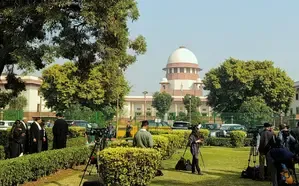
CBI filed its chargesheet in the NEET-UG 2026 paper leak case before the Rouse Avenue Court on 7 August .
Three NTA subject experts — P.V.
Kulkarni (A-2) , Manisha Gurunath Mandhare (A-1) , and Manisha Sanjay Havaldar (A-3) — are accused of smuggling out Chemistry, Biology, and Physics questions.
NTA's confidential section had no frisking of experts and no dedicated CCTV monitoring room ; only 20–25 days of footage was retained, erasing all relevant evidence.
Searches conducted at 92 locations across five states; chargesheet cites 360 witnesses , 422 documents , and 43 material objects .
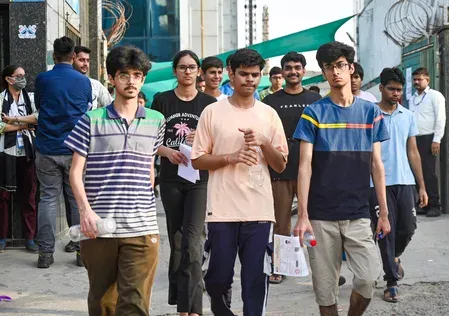
The original 3 May exam was cancelled; a re-examination was held on 21 June 2026 under tightened security.
All 13 accused are in judicial custody and charged under the BNS 2023 , Prevention of Corruption Act , and the Public Examinations (Prevention of Unfair Means) Act, 2024 .
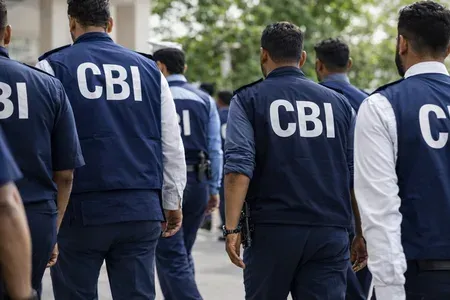
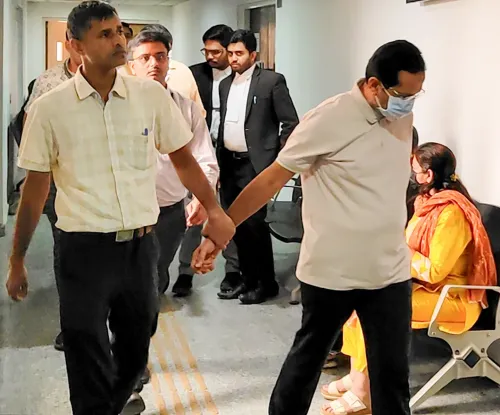
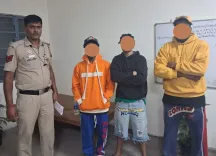
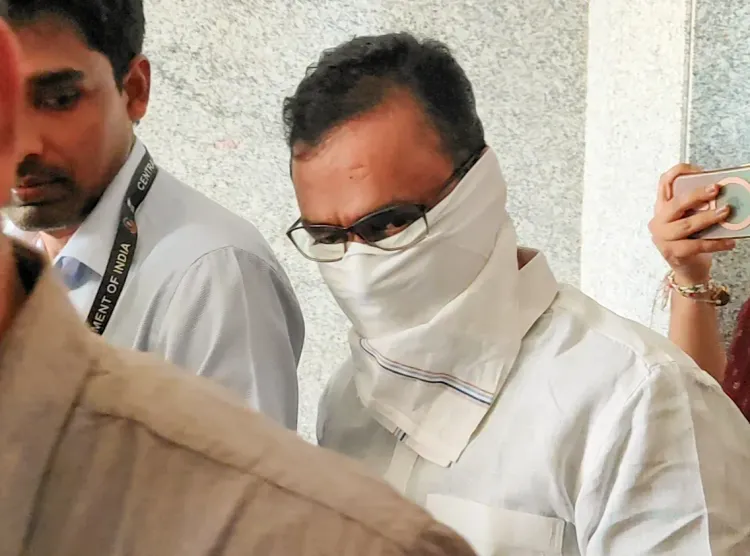
The Central Bureau of Investigation (CBI), in its chargesheet filed before the Rouse Avenue Court on 7 August, has revealed that three National Testing Agency (NTA) subject experts exploited glaring security failures — including the complete absence of frisking and a lack of dedicated CCTV monitoring — to extract confidential questions from the NEET-UG 2026 examination paper before the 3 May test date. The chargesheet names 13 accused in total, all currently in judicial custody.
How the Questions Were Smuggled Out
According to the chargesheet, the three NTA experts were entrusted with translation, back-translation, and proofreading of question papers in Chemistry, Biology, and Physics. Each allegedly used a different method to extract the material.
Accused P.V. Kulkarni (A-2), responsible for Chemistry back-translation, reportedly used plain sheets provided for rough work inside the confidential section to note down all 135 Chemistry questions in brief, along with answer options, on small paper slips that he concealed on his person. The chargesheet states he carried out this work across three Chemistry question sets between 31 March and 2 April.
Accused Manisha Gurunath Mandhare (A-1), who handled English-to-Marathi translation for Botany and back-translation for Zoology, allegedly relied on her extensive familiarity with NCERT textbooks. After returning to her hotel each day, she reportedly marked relevant paragraphs in NCERT books, reconstructing questions from memory. 'Due to her decades of experience with the same material, she was easily able to correlate the questions with the NCERT textbook material,' the chargesheet noted.
The third expert, Manisha Sanjay Havaldar (A-3), entrusted with Physics translation and proofreading, allegedly noted down questions in brief after returning to her accommodation in Delhi each evening.
Security Failures at the NTA Office
The CBI has flagged what it describes as systemic security deficiencies at the NTA's confidential section, located on the first floor of the NSIC building in Okhla, Delhi. The probe agency stated that 'there was no practice of checking/frisking of experts during entry/exit from the confidential section at NTA.'
On CCTV coverage, the chargesheet reveals that only 20–25 days of footage was available at the NTA. Since the confidential section work for NEET-UG 2026 was completed on 7 April 2026 and the case was registered on 12 May 2026, no CCTV footage of the relevant period survived. The CBI further noted there was 'no dedicated CCTV live feed monitoring control room in NTA,' meaning activities inside the confidential hall went entirely unobserved.
Scale of the Investigation
The CBI registered the case on 12 May 2026 following a written complaint from the Department of Higher Education, Ministry of Education, regarding irregularities in the NEET-UG 2026 examination. The agency immediately deployed 72 officers and personnel along with 8 cyber forensic experts.
Searches were conducted at 92 locations across Maharashtra, Rajasthan, Haryana, Delhi, and other states, resulting in the seizure of digital devices, communication records, and other incriminating material. The chargesheet cites 360 witnesses, 422 documents, and 43 material objects.
The CBI claims its investigation traced the leak chain from source to beneficiary candidates, with several middlemen and individuals linked to coaching institutes also arrested. The 13 accused include the three NTA subject experts, alleged middlemen, and others involved in circulating the leaked questions.
Examination Cancelled, Re-Test Held
The original NEET-UG 2026 examination, held on 3 May, was subsequently cancelled following the leak revelations. A re-examination was conducted on 21 June under heightened security arrangements.
All 13 chargesheeted accused have been booked under the Bharatiya Nyaya Sanhita (BNS), 2023, the Prevention of Corruption Act, 1988, and the Public Examinations (Prevention of Unfair Means) Act, 2024. With the chargesheet now filed, the case moves toward trial — and the accountability question squarely lands on the NTA's institutional safeguards.
Point of View
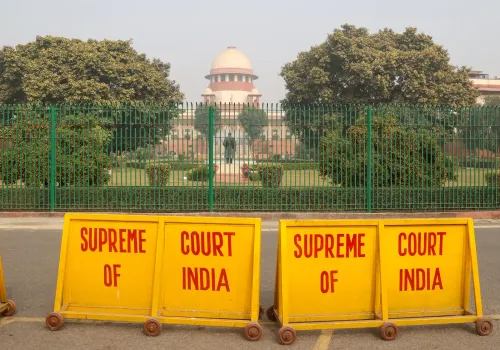
But because it reveals how little ingenuity was required. Walking out of a national examination body's confidential section with paper chits — unchecked, unmonitored, on multiple days — points to institutional negligence that goes well beyond three individuals. The NTA has faced scrutiny before: the 2024 NEET-UG controversy triggered a Supreme Court intervention and a government review. That a repeat breach occurred in 2026, with identical structural gaps still unaddressed, raises a harder question than who leaked — it asks who was responsible for ensuring the conditions that made leaking this easy were ever fixed. The CCTV footage retention of just 20–25 days, in an agency handling examinations that conclude weeks before results, is not an oversight; it is a policy failure with consequences.
NationPress
21 Sept 2026
Frequently Asked Questions
What does the CBI chargesheet in the NEET-UG 2026 paper leak case allege?
The CBI chargesheet alleges that three NTA subject experts extracted confidential NEET-UG 2026 questions from the agency's Delhi office by exploiting security gaps — including no frisking at entry/exit and no live CCTV monitoring. The experts reportedly used paper chits, memorisation, and NCERT textbook markings to smuggle out Chemistry, Biology, and Physics questions before the 3 May examination.
Who are the accused NTA experts named in the NEET-UG 2026 chargesheet?
The three NTA subject experts named are Manisha Gurunath Mandhare (A-1), who handled Biology translation; P.V. Kulkarni (A-2), who handled Chemistry back-translation; and Manisha Sanjay Havaldar (A-3), who handled Physics translation and proofreading. All three are currently in judicial custody along with 10 other accused.
Why was no CCTV footage available for the NEET-UG 2026 leak investigation?
The NTA retained only 20–25 days of CCTV footage. Since the confidential section work was completed on 7 April 2026 and the CBI case was registered on 12 May 2026, the relevant footage had already been overwritten by the time investigators sought it. The CBI also noted there was no dedicated live CCTV monitoring room at the NTA.
What happened to the NEET-UG 2026 examination after the leak?
The original NEET-UG 2026 examination, held on 3 May, was cancelled following the leak revelations. A re-examination was subsequently conducted on 21 June 2026 under significantly heightened security arrangements.
Under which laws have the 13 accused been chargesheeted?
All 13 accused have been chargesheeted under the Bharatiya Nyaya Sanhita (BNS), 2023; the Prevention of Corruption Act, 1988; and the Public Examinations (Prevention of Unfair Means) Act, 2024 — a law specifically enacted to address malpractice in public competitive examinations.