NEET-UG paper leak: Delhi court clears CBI to probe additional suspects

Synopsis
The NEET-UG paper leak probe just got wider. A Delhi Fast Track Court has cleared the CBI to chase additional suspects flagged in a CFSL report — beyond the 13 already chargesheeted — revealing a network that exploited zero frisking, weak CCTV backup, and NTA insiders to leak all 135 Chemistry questions and more before the May exam.
Key Takeaways
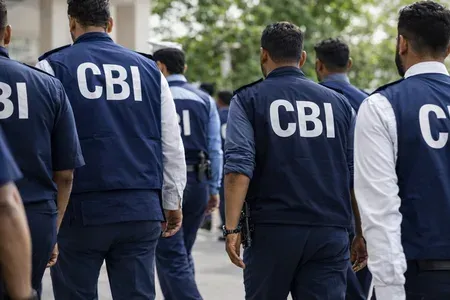
A Delhi Fast Track Court on 14 August allowed the CBI to expand its NEET-UG paper leak probe to additional suspects identified in the CFSL report .
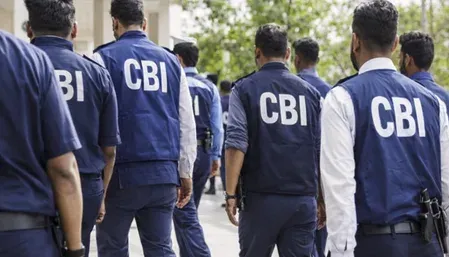
The CBI has already filed a charge sheet against 13 accused , citing a network of NTA subject experts, intermediaries , and coaching operators .
Kulkarni allegedly smuggled all 135 Chemistry questions out of the NTA's confidential section on paper slips.
The CBI flagged that experts faced no frisking and that only 20–25 days of CCTV footage was available — key security failures.
The charge sheet references 360 witnesses , 422 documents , and 43 material objects .
The case was registered by the CBI on 12 May ; the NEET-UG exam of 3 May has since been cancelled.
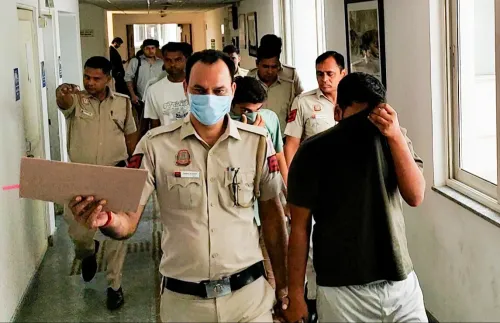
A Delhi Fast Track Court on Friday, 14 August allowed the Central Bureau of Investigation (CBI) to expand its probe in the NEET-UG paper leak case, permitting the agency to collect evidence against additional suspects whose possible involvement has surfaced in a Central Forensic Science Laboratory (CFSL) report. The order, passed at the Rouse Avenue Courts Complex, opens a fresh investigative front beyond the 13 accused already chargesheeted.
Court's Order and CBI's Plea
The specially designated Fast Track Court — constituted exclusively to handle offences under the Public Examinations (Prevention of Unfair Means) Act, 2024 — accepted the CBI's application to dig deeper into the activities of unnamed suspects in the days leading up to the now-cancelled NEET-UG examination of 3 May. According to a lawyer present at the proceedings, the CBI clarified that while its investigation against the 13 chargesheeted accused is complete, the probe against others is ongoing.
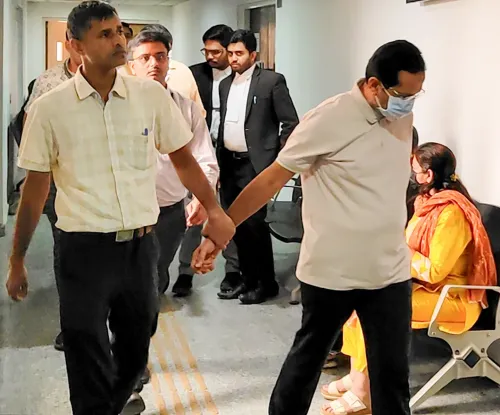
The court had on Wednesday taken cognisance of the charge sheet filed by the CBI against the 13 arrested individuals. The charge sheet was originally filed on 28 July.
How the Leak Was Allegedly Carried Out
The CBI's charge sheet alleges that three National Testing Agency (NTA) subject experts — entrusted with translating, back-translating, and proofreading question papers — exploited security lapses to smuggle confidential examination questions out of the NTA's Delhi office.
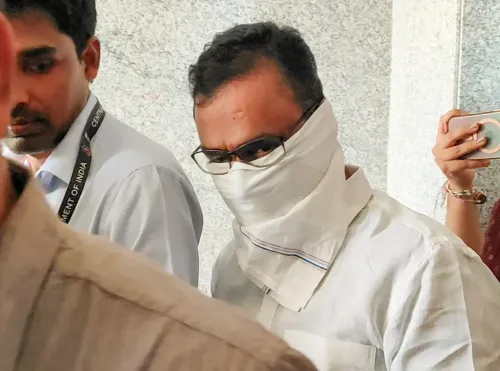
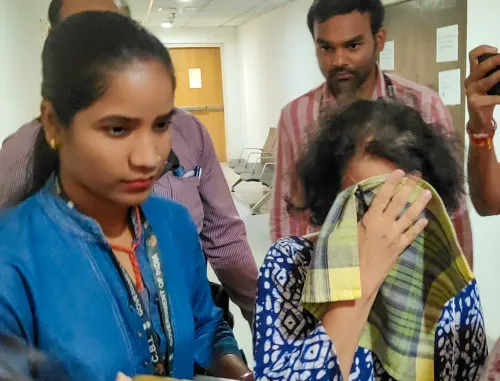
Accused P.V. Kulkarni allegedly wrote down all 135 Chemistry questions along with their answer options on small slips of paper and concealed them while exiting the confidential section. Accused Manisha Gurunath Mandhare reportedly used her familiarity with NCERT textbooks to reconstruct questions from memory after returning to her hotel room. A third accused, Manisha Sanjay Havaldar, allegedly noted down Physics questions in brief upon returning to her accommodation.
Critically, the CBI has stated that there was no practice of checking or frisking experts when entering or leaving the confidential section — a systemic failure that allegedly made the leak possible.
Security Failures at NTA Flagged
The probe agency has also flagged serious shortcomings in surveillance infrastructure at the NTA office. Only 20–25 days of CCTV backup was available, and there was no dedicated live-feed monitoring control room for the confidential section. These gaps, the CBI contends, allowed the accused to operate without detection.
The charge sheet cites 360 witnesses, 422 documents, and 43 material objects in support of the case — one of the most extensively documented examination fraud probes in recent years.
Charges and Legal Provisions
The 13 accused have been chargesheeted under Sections 315(5), 318(4), 61(2), 238, and 303(2) of the Bharatiya Nyaya Sanhita (BNS), 2023, along with provisions of the Prevention of Corruption Act, 1988, and the Public Examinations (Prevention of Unfair Means) Act, 2024. The CBI had originally registered the case on 12 May.
The alleged network involved NTA subject experts, intermediaries, coaching operators, and others, pointing to a coordinated conspiracy rather than an isolated breach.
What Comes Next
With the court's latest order, the CBI can now formally pursue additional suspects identified in the CFSL report, potentially widening the accused roster significantly. The case continues to be closely watched given its impact on hundreds of thousands of medical aspirants across India.
Point of View
Minimal CCTV retention, and subject experts who could walk out of a confidential section with 135 questions in their pockets. The CFSL report apparently points further, suggesting the conspiracy's edges have not yet been mapped. The real accountability question is institutional — how did the NTA's security architecture fail so completely — and that question has not been answered by any charge sheet filed so far.
NationPress
29 Sept 2026
Frequently Asked Questions
What did the Delhi court order in the NEET-UG paper leak case on 14 August?
The Delhi Fast Track Court allowed the CBI to expand its investigation and collect evidence against additional suspects whose possible role emerged from a CFSL report. The court's order goes beyond the 13 accused already chargesheeted by the agency.
Who are the 13 accused chargesheeted in the NEET-UG paper leak case?
The CBI chargesheeted 13 arrested individuals on 28 July, alleging they formed a network of NTA subject experts, intermediaries, and coaching operators who leaked confidential NEET-UG question papers before the 3 May examination. Named accused include P.V. Kulkarni, Manisha Gurunath Mandhare, and Manisha Sanjay Havaldar.
How was the NEET-UG paper allegedly leaked?
According to the CBI charge sheet, three NTA subject experts exploited the absence of any frisking protocol to remove confidential questions from the NTA's Delhi office. P.V. Kulkarni allegedly wrote all 135 Chemistry questions on paper slips, while the other two accused reconstructed questions from memory after leaving the confidential section.
What security failures did the CBI identify at the NTA?
The CBI flagged that experts were neither checked nor frisked when entering or exiting the confidential section, that only 20–25 days of CCTV footage was retained, and that there was no dedicated live-feed monitoring control room for the sensitive area. These lapses are cited as enabling the alleged leak.
Under which laws have the accused been charged?
The 13 accused face charges under Sections 315(5), 318(4), 61(2), 238, and 303(2) of the Bharatiya Nyaya Sanhita (BNS) 2023, as well as the Prevention of Corruption Act, 1988, and the Public Examinations (Prevention of Unfair Means) Act, 2024.