What Sentences Were Given to Senior DRDA Officer and Clerk in SGRY Scam Case?
Click to start listening

Synopsis
A CBI court in Lucknow has sentenced three individuals, including a senior DRDA officer, to five years in prison for their involvement in the SGRY scam, resulting in over Rs one crore in losses. This verdict highlights the seriousness of corruption in public welfare schemes.
Key Takeaways
- Three individuals sentenced to five years for corruption.
- Over Rs one crore lost to the government due to fraudulent activities.
- The case highlights the importance of accountability in public welfare schemes.
- CBI's actions demonstrate a commitment to combating corruption.
- Strong message against misuse of funds aimed at the rural poor.
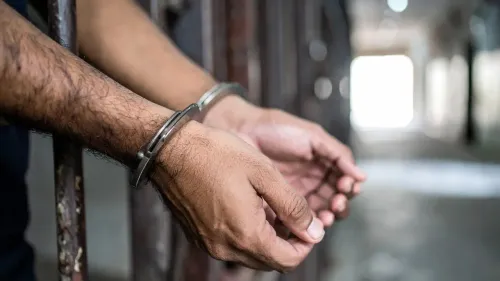
New Delhi, Dec 21 (NationPress) A CBI court located in Lucknow has imposed a sentence of five years of rigorous imprisonment on three individuals, including a high-ranking government officer, in connection with a corruption scandal tied to the Sampurna Grameen Rozgar Yojna (SGRY). This case has resulted in a loss exceeding Rs one crore to the government treasury, officials reported on Sunday.
The convicted individuals consist of Satyendra Singh Gangwar, who served as the Chief Finance and Accounts Officer of the District Rural Development Agency (DRDA), Ballia; Ashok Kumar Upadhyay, a Junior Accounts Clerk at DRDA Ballia; and Raghunath Yadav, a private citizen.
The court has also levied a total fine of Rs 77,000 on the trio.
This ruling was announced on December 20, following a thorough trial that scrutinized extensive financial discrepancies in the execution of the rural employment scheme aimed at aiding the impoverished.
The Central Bureau of Investigation (CBI) indicated that the case was initially filed in 2006 at the Garwar police station in Ballia district, Uttar Pradesh, against around 135 individuals.
Subsequently, the CBI assumed control of the investigation in October 2008.
The defendants were accused of misappropriating funds from the SGRY scheme through deception, forgery, and the use of counterfeit documents while intentionally causing the disappearance of vital records.
Investigations revealed that these fraudulent actions led to a wrongful loss of Rs 75.12 lakh in cash and approximately Rs 31.10 lakh in food grains, totaling over Rs one crore.
The accused reportedly redirected these resources for their personal benefit, undermining the objective of a program designed to offer wage employment and food security to rural families.
Upon concluding the investigation, the CBI submitted a charge sheet in June 2010 against the three individuals.
After years of judicial proceedings, the court found them guilty and pronounced the sentence, underscoring the gravity of corruption within welfare initiatives.
This conviction is regarded as a pivotal move in ensuring accountability for financial misconduct among officials involved in public welfare projects, delivering a strong message against the misuse of funds intended for the rural underprivileged.
Point of View
The sentencing of these officials represents a crucial step toward ensuring accountability in public welfare programs. The CBI's decisive actions highlight the government's commitment to combating corruption and protecting the interests of the rural poor. It is essential for authorities to uphold integrity and trust in schemes aimed at improving the lives of the underprivileged.
NationPress
21/12/2025
Frequently Asked Questions
What was the outcome of the CBI court case?
The CBI court sentenced three individuals, including a senior DRDA officer, to five years of rigorous imprisonment for their involvement in a corruption case related to the SGRY scheme.
How much money was lost in the SGRY scam?
The SGRY scam led to losses exceeding Rs one crore to the government exchequer.
Who were the convicted individuals?
The convicted individuals were Satyendra Singh Gangwar, Ashok Kumar Upadhyay, and Raghunath Yadav.
What actions were taken by the CBI?
The CBI took over the investigation in October 2008 and filed a charge sheet in June 2010 against the accused.
What message does this conviction send?
This conviction sends a strong message against the misuse of funds intended for public welfare and emphasizes the need for accountability.