CBI to challenge Nimbalkar murder case acquittal in Bombay High Court

Synopsis
A Mumbai special court acquitted all nine accused in the 2006 daylight murder of Congress leader Pawanraje Nimbalkar — including his own first cousin, former Maharashtra Home Minister Padamsinh Patil — after the prosecution's star approver witness was found too inconsistent to sustain a conviction. The CBI is now heading to the Bombay High Court, keeping one of Maharashtra's most politically charged murder cases alive after nearly two decades.
Key Takeaways
A special CBI court in Mumbai acquitted all accused in the murder of Congress leader Pawanraje Nimbalkar and his driver, shot dead on 3 June 2006 in Navi Mumbai .
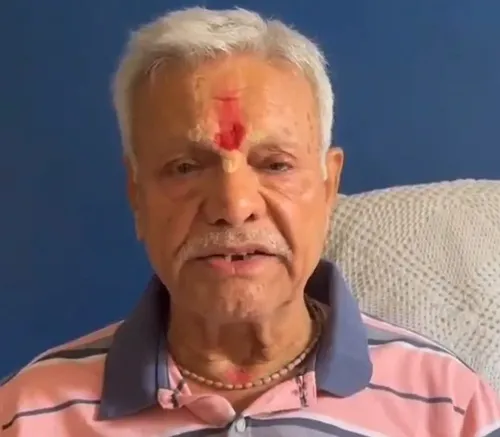
Former Maharashtra Home Minister and ex- NCP MP Padamsinh Bajirao Patil , 86 , was among those acquitted; the CBI had alleged he was the principal conspirator.
The court found the prosecution's key approver witness unreliable due to repeated changes in his statements and material contradictions.
The CBI filed its charge sheet in 2009 and a supplementary charge sheet in 2010 against nine accused persons .
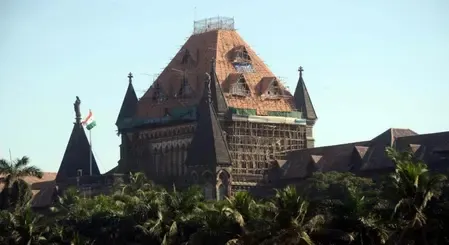
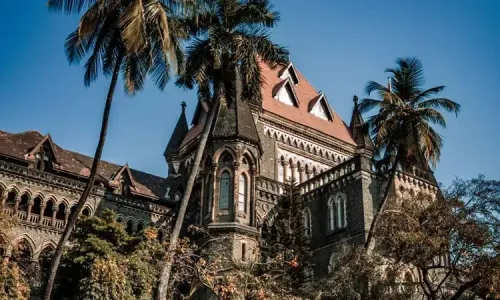
The CBI has confirmed it will challenge the acquittal before the Bombay High Court , opening a new legal phase in the nearly two-decade-old case.
The Central Bureau of Investigation (CBI) on Saturday announced it will appeal before the Bombay High Court against the acquittal of all accused in the murder of Congress leader Pawanraje Nimbalkar and his driver — a case that has wound through India's judicial system for nearly two decades. A special CBI court in Mumbai cleared all the accused, including former Maharashtra Home Minister and ex-Nationalist Congress Party (NCP) MP Padamsinh Bajirao Patil, citing insufficient reliable evidence.
The Murder That Shook Navi Mumbai
Pawanraje Nimbalkar, a prominent Congress leader, and his driver were shot dead in broad daylight on 3 June 2006 in Navi Mumbai. The brazen, public nature of the killing drew immediate attention, and the case was subsequently transferred to the CBI on the directions of the Bombay High Court. Following its investigation, the CBI filed a charge sheet in 2009 and a supplementary charge sheet in 2010, naming nine accused persons, including Padamsinh Patil.
Why the Trial Court Acquitted the Accused
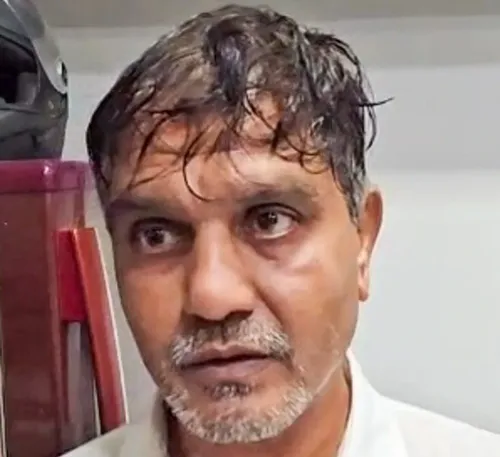
The trial court's judgment turned on the credibility of the prosecution's star witness — an accused who had turned approver and become the key prosecution witness. The court found his testimony fatally compromised, noting that he had repeatedly changed his statements and that there were material contradictions in his account.
'A conviction cannot be based solely on the testimony of this witness,' the court observed, adding that the approver's persistent inconsistencies undermined the prosecution's conspiracy theory. With no sufficiently reliable corroborating evidence, the court extended the benefit of doubt to all the accused, resulting in a full acquittal.
CBI's Response and What Comes Next
The CBI pushed back firmly, maintaining that it had produced strong evidence against the accused and that the trial court's reading of that evidence was flawed. The agency has confirmed it will challenge the acquittal before the Bombay High Court, moving the case into a fresh legal phase.
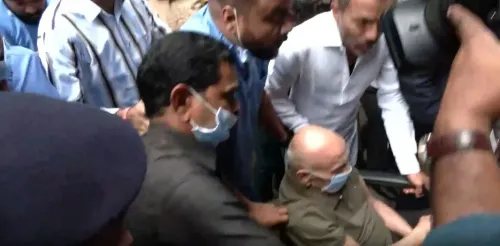
Notably, among those acquitted is Padamsinh Patil, 86, who the CBI alleged was the principal conspirator behind the killings. Patil, who is also Nimbalkar's first cousin, arrived at the court in a wheelchair accompanied by a hospital attendant. He had been arrested by the CBI in June 2009 and was granted bail by the Alibaug Sessions Court later that year.
A Case With Decades of Legal History
The Nimbalkar murder case represents one of Maharashtra's most politically charged criminal trials. The involvement of a former state Home Minister as the alleged principal conspirator, the high-court-ordered CBI transfer, and the eventual collapse of the prosecution's key witness all make it a landmark in the state's legal history. This is not the first time a high-profile political murder case in Maharashtra has stumbled at the trial stage over witness credibility — a recurring pattern that raises questions about witness protection and evidence preservation in long-running CBI investigations.
With the CBI's appeal now headed to the Bombay High Court, the families of the victims and political observers will watch closely to see whether a higher court takes a different view of the evidence.
Point of View
After a charge sheet in 2009 and a supplementary charge sheet in 2010, was the prosecution's entire conspiracy theory resting on one witness whose credibility was always going to be contested? The Nimbalkar case also illustrates how the passage of time corrodes evidence and witness reliability in equal measure. Nearly two decades is too long for any criminal justice system to deliver accountability, and the Bombay High Court will now have to decide whether the CBI's appeal rests on a genuine legal error by the trial court or on the same thin evidentiary base that already failed once.
NationPress
19 Sept 2026
Frequently Asked Questions
Who was Pawanraje Nimbalkar and how was he killed?
Pawanraje Nimbalkar was a prominent Congress leader who was shot dead along with his driver in broad daylight on 3 June 2006 in Navi Mumbai. The public nature of the killing prompted the Bombay High Court to transfer the investigation to the CBI.
Why were all the accused acquitted in the Nimbalkar murder case?
The special CBI court acquitted all nine accused because the prosecution's star witness — an accused who had turned approver — was found to lack credibility. The court noted repeated changes in his statements and material contradictions that undermined the prosecution's conspiracy theory, leading it to extend the benefit of doubt to the accused.
Who is Padamsinh Patil and what was his alleged role?
Padamsinh Bajirao Patil is a former Maharashtra Home Minister and ex-NCP MP who the CBI alleged was the principal conspirator behind the killings. He is also Nimbalkar's first cousin. Now 86 and appearing in court in a wheelchair, he was arrested by the CBI in June 2009 and granted bail by the Alibaug Sessions Court later that year.
What will the CBI do after the acquittal?
The CBI has announced it will challenge the acquittal before the Bombay High Court, maintaining that it had produced strong evidence against the accused. The appeal marks a new legal phase in the case, which has been in the courts for nearly two decades.
When did the CBI file its charge sheet in the Nimbalkar case?
The CBI filed its primary charge sheet in 2009 and a supplementary charge sheet in 2010, naming nine accused persons including Padamsinh Patil. The trial that followed ultimately ended in acquittal due to the unreliability of the key approver witness.