CBSE Suspends Class 10 Exams in West Asia Due to Rising Tensions
Synopsis
In response to escalating regional conflicts, the CBSE has cancelled Class 10 exams across several West Asian countries. This move reflects the serious implications of ongoing tensions involving Iran, Israel, and the United States, emphasizing the need for safety and stability for students abroad.
Key Takeaways
CBSE cancels Class 10 exams in West Asia.
Impacted countries include Bahrain , Iran , Kuwait , and others.
Students are advised to stay updated through official channels.
Class 12 exams have also been postponed.
The situation in the region continues to evolve rapidly.
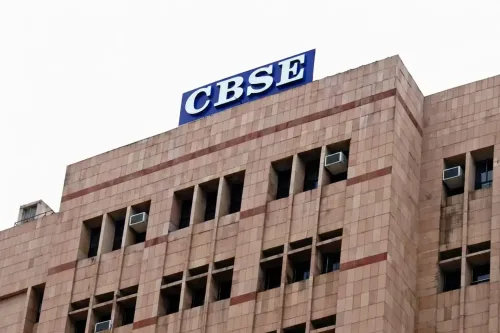
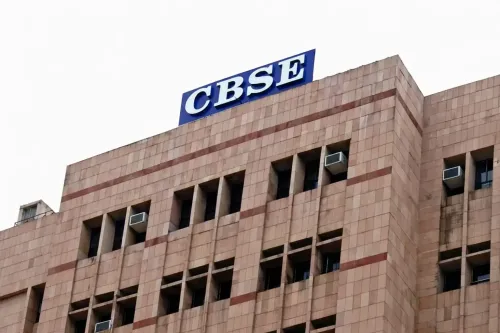
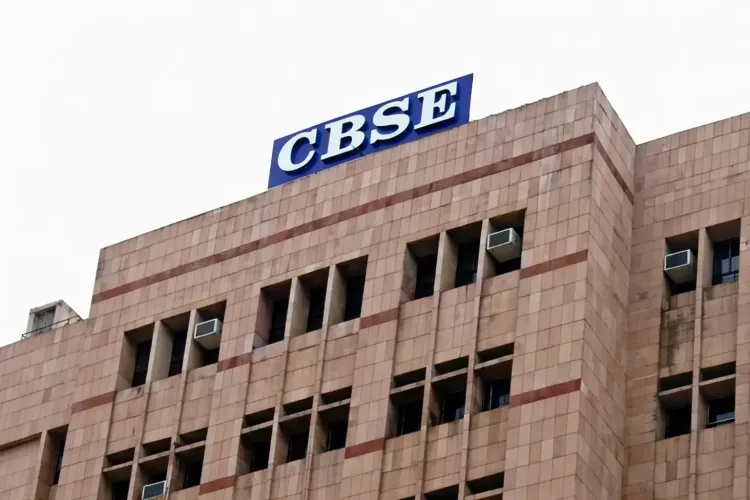
New Delhi, March 6 (NationPress) The Central Board of Secondary Education (CBSE) has officially cancelled Class 10 Board examinations in various West Asian nations due to the intensifying tensions in the area stemming from the ongoing conflict involving Iran, Israel, and the United States. This update was confirmed by the Embassy of India in Muscat on Friday.
The Indian Embassy in Muscat disseminated the CBSE notice via its official social media account on X, informing both students and parents of the modifications to the examination timetable across Gulf nations.
As per the notice dated March 5, 2026, the cancellation impacts CBSE-affiliated institutions located in Bahrain, Iran, Kuwait, Oman, Qatar, Saudi Arabia, and the United Arab Emirates (UAE).
All exams for Class 10 students scheduled from March 7 to March 11 have been annulled. Furthermore, exams that had previously been postponed and were set for March 2, March 5, and March 6 have also been cancelled. The CBSE indicated that details regarding the result announcement for Class 10 students in West Asia will be communicated later.
Meanwhile, the Class 12 Board examination planned for Saturday, March 7, has been delayed. Revised dates for the postponed examination will be revealed later. The Board also mentioned that it would reassess the prevailing conditions on March 7 and provide further guidance regarding exams set for March 9 and thereafter.
CBSE has advised all Class 12 students to maintain close communication with their respective schools and to monitor official announcements for updates.
Students are encouraged to stay in regular touch with their schools and rely solely on official CBSE communications, avoiding unofficial sources or hearsay regarding examination details.
This cancellation is set against a backdrop of significant developments in the region.
On February 28, the United States and Israel initiated a series of missile and drone strikes targeting various locations in Tehran, including the residence of Iran's Supreme Leader, Ayatollah Ali Khamenei, situated in the city center.
Shortly after, Iran verified the death of Khamenei due to the attack.
In retaliation, Iran launched strikes aimed at Tel Aviv and other sites in Israel, as well as U.S. military bases and diplomatic establishments throughout West Asia.
The Iranian attacks have also struck civilian and energy infrastructure in neighboring regions, including an oil refinery in Saudi Arabia and a luxury hotel in Dubai.
This exchange of military actions has escalated concerns regarding a broader regional conflict that could involve additional West Asian nations and severely impact global energy markets.
Point of View
The decision to cancel Class 10 examinations in West Asia underscores the urgent realities of international tensions affecting education and safety. As students navigate these challenges, it is crucial for educational authorities to prioritize their well-being while ensuring transparent communication.
NationPress
15 Oct 2026
Frequently Asked Questions
Why were the Class 10 exams cancelled?
The Class 10 exams were cancelled due to the escalating tensions in West Asia stemming from the ongoing conflict involving Iran, Israel, and the United States.
Which countries are affected by this cancellation?
The cancellation affects CBSE-affiliated schools in Bahrain, Iran, Kuwait, Oman, Qatar, Saudi Arabia, and the United Arab Emirates.
What should students do now?
Students are advised to stay in contact with their schools and follow official CBSE notifications for updates regarding their examinations.
When will the results for Class 10 be announced?
The CBSE will notify students about the mode of result declaration for Class 10 students in West Asia at a later date.
What about Class 12 exams?
Class 12 exams scheduled for March 7 have been postponed, and revised dates will be announced later.