India's first Telecom Manufacturing Zone: Centre, MP to sign MoU for Gwalior TMZ
Synopsis
India is formalising its first-ever dedicated Telecom Manufacturing Zone in Gwalior — a 350-acre plug-and-play facility backed by ₹493 crore in central funding. Spanning mobile phones, semiconductors, and 6G research, the zone is designed to be a convergence of every major Make in India industrial initiative under a single roof.
Key Takeaways
The Centre and Madhya Pradesh signed an MoU on 30 July to establish India's first Telecom Manufacturing Zone (TMZ) in Gwalior .
The zone will span nearly 350 acres on a plug-and-play model.
The Centre has approved ₹493 crore as 100% financial assistance for Phase 1 core infrastructure.
Planned facilities include production of mobile phones , semiconductors , fibre optic products , and 5G/6G technologies.
The TMZ will complement the India Semiconductor Mission and Electronics Component Schemes .
The zone is expected to attract MSMEs and startups alongside large-scale investors.
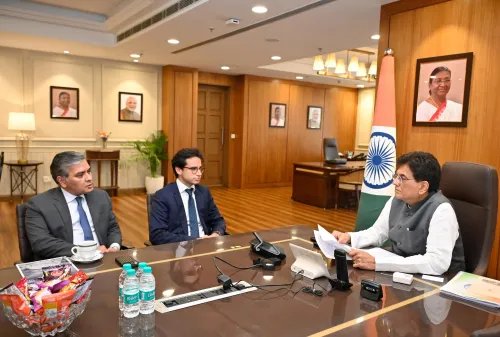
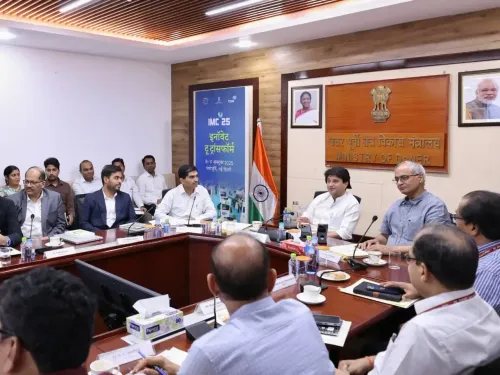
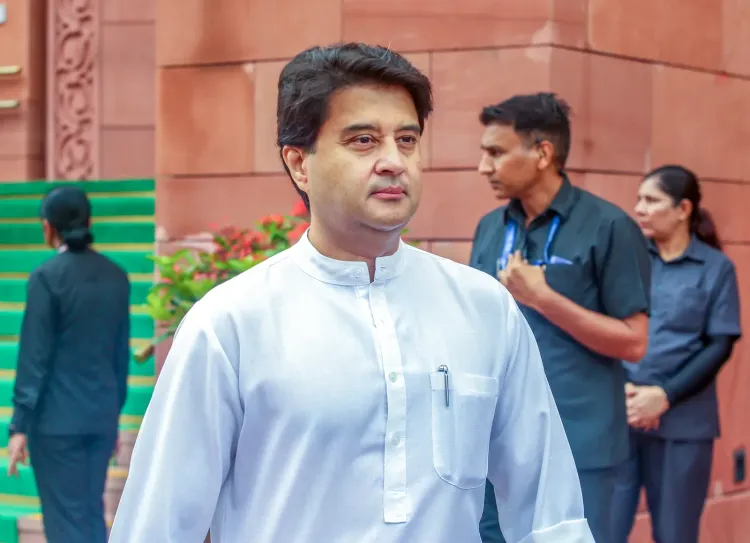
The Centre and the Madhya Pradesh government are set to sign a Memorandum of Understanding (MoU) on 30 July to establish the country's first Telecom Manufacturing Zone (TMZ) in Gwalior, Union Communications Minister Jyotiraditya Scindia announced on Thursday. The MoU will be signed at Vigyan Bhawan in New Delhi between the Department of Telecommunications (DoT) and Madhya Pradesh's Department of Industrial Policy and Investment Promotion.
What the Zone Will Cover
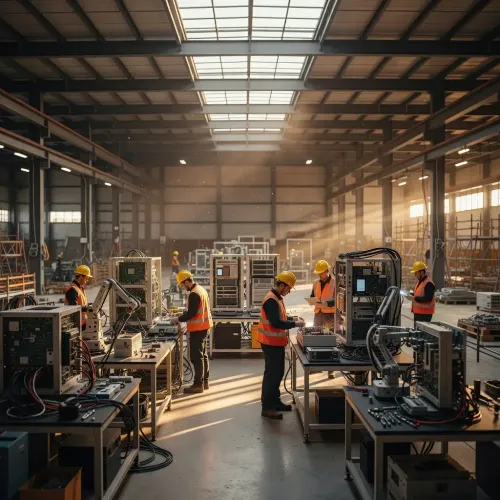
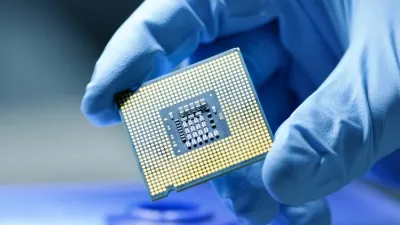
The proposed Telecom Manufacturing Zone will be developed across nearly 350 acres on a plug-and-play model, designed to host an integrated ecosystem for research, development, and production. Planned facilities include manufacturing of mobile phones, telecom network equipment, fibre optic products, semiconductors, and next-generation 5G and 6G technologies.
The Centre has approved ₹493 crore as 100 per cent financial assistance for core infrastructure development during the first phase of the project.
What the Government Said
Describing the initiative as a landmark step for India's telecom sector, Scindia said, 'The Telecom Manufacturing Zone will provide fresh momentum to Prime Minister Narendra Modi's vision of Atmanirbhar Bharat, Make in India, Digital India and Viksit Bharat 2047. It will create a world-class ecosystem for telecom manufacturing in the country.'
Scindia further stated that 'the establishment of the country's first Telecom Manufacturing Zone in Gwalior will not only boost telecom manufacturing but also attract investments, generate employment and create opportunities for innovation and exports.'
Broader Policy Linkages
Officials said the TMZ will complement existing national programmes including the India Semiconductor Mission and the Electronics Component Schemes, consolidating research, innovation, and production under a single umbrella. Notably, this positions the Gwalior zone as a convergence point for multiple central government industrial initiatives rather than a standalone facility.
The zone is also expected to draw large-scale investments and open avenues for micro, small and medium enterprises (MSMEs) and startups operating in the electronics and telecom sectors — a segment the Centre has been actively trying to integrate into domestic supply chains.
Who Will Attend and What Comes Next
Madhya Pradesh Chief Minister Mohan Yadav, Minister Scindia, and senior officials from both the Centre and the state government are scheduled to attend the MoU signing ceremony. Once operational, the Telecom Manufacturing Zone is expected to position Gwalior as a significant node in India's global telecommunications and electronics manufacturing landscape.
This is the first time a dedicated, government-backed telecom manufacturing zone of this scale has been formalised in India, marking a structural shift in how the Centre is approaching domestic telecom supply chain development.
Point of View
But its real test lies in execution. India has repeatedly announced manufacturing zones and PLI-linked clusters that have been slower to operationalise than the headline MoU suggested. The plug-and-play model is the right instinct — land and power delays have historically killed industrial zone momentum — but ₹493 crore for Phase 1 infrastructure across 350 acres is a relatively modest outlay for a zone expected to anchor 5G and semiconductor production. The Centre's decision to converge the India Semiconductor Mission and Electronics Component Schemes under this single zone is strategically coherent, but convergence on paper and convergence in practice are different things. Gwalior's distance from established electronics supply chain clusters in Chennai, Bengaluru, and Noida also raises a genuine logistics question that the government has not yet publicly addressed.
NationPress
30 Jul 2026
Frequently Asked Questions
What is the Telecom Manufacturing Zone being set up in Gwalior?
The Gwalior Telecom Manufacturing Zone (TMZ) is India's first dedicated telecom manufacturing cluster, to be developed across nearly 350 acres on a plug-and-play model. It will host facilities for mobile phone production, telecom network equipment, semiconductors, fibre optic products, and 5G and 6G technology development.
How much funding has the Centre approved for the Gwalior TMZ?
The Centre has approved ₹493 crore as 100 per cent financial assistance for creating core infrastructure during the first phase of the project.
Who signed the MoU for the Gwalior Telecom Manufacturing Zone?
The MoU was signed at Vigyan Bhawan in New Delhi between the Department of Telecommunications (DoT), Government of India, and Madhya Pradesh's Department of Industrial Policy and Investment Promotion on 30 July.
How does the Gwalior TMZ connect to existing national schemes?
Officials said the TMZ will complement the India Semiconductor Mission and the Electronics Component Schemes by creating an integrated ecosystem that brings research, innovation, and manufacturing under one umbrella, rather than operating as a standalone facility.
Who is expected to benefit from the Gwalior Telecom Manufacturing Zone?
The zone is designed to attract large-scale investors as well as micro, small and medium enterprises (MSMEs) and startups in the electronics and telecom sectors, broadening participation beyond just large corporations.