CM Majhi secures ₹500 crore SDRF advance for flood-hit Odisha

Synopsis
The Centre approved an advance release of ₹500 crore as Odisha's second SDRF instalment for FY 2026–27 amid active flooding. CM Mohan Charan Majhi announced the relief, thanking PM Modi and Home Minister Amit Shah for the timely Central support to rescue, relief and rehabilitation efforts.
Key Takeaways
The Government of India approved an advance release of ₹500 crore as the second instalment of the Central SDRF share for Odisha in FY 2026–27 .
The funds are directed at rescue, relief, rehabilitation and restoring normalcy in flood-affected areas of Odisha.
The release was triggered by an active flood situation in the state, using the advance-release mechanism under the Disaster Management Act, 2005 .
The Central government typically contributes 75 per cent of the SDRF corpus for general-category states.
CM Mohan Charan Majhi publicly credited PM Narendra Modi and Home Minister Amit Shah for the timely support.
Odisha has historically relied on Central SDRF releases during monsoon seasons due to its flood-prone riverine geography.
With floodwaters still battering parts of Odisha, the Government of India moved swiftly — approving an advance release of ₹500 crore as the second instalment of the Central share of the State Disaster Response Fund (SDRF) for FY 2026–27. Odisha Chief Minister Mohan Charan Majhi announced the development on Saturday, August 1, 2026, calling it 'timely support' for a state in the thick of an active flood emergency.
What the ₹500 crore unlocks on the ground
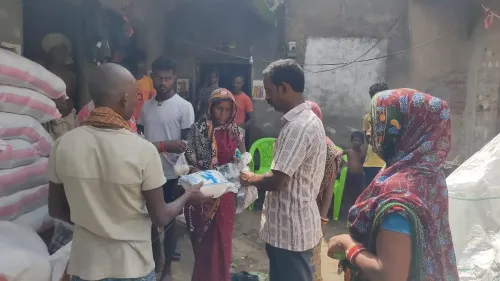
The funds are earmarked for rescue operations, relief distribution, and the rehabilitation of families displaced or damaged by the ongoing floods. Beyond immediate relief, the release is meant to accelerate the restoration of normalcy in affected areas — a signal that the Centre wants recovery, not just survival, to begin now.
Under the Disaster Management Act, 2005, the SDRF is jointly funded, with the Central government typically contributing 75 per cent of the corpus for general-category states. An 'advance release' — triggered by an active calamity — bypasses the usual annual cycle, putting money in state hands before the situation worsens further.
Odisha's recurring flood burden and the SDRF lifeline
Odisha sits at the confluence of vulnerability: its river systems, led by the Mahanadi, swell violently during the monsoon, and the state has drawn on Central SDRF support across multiple seasons. This is not a one-off crisis but a recurring test of the cooperative federalism framework the 2005 Act was designed to enable.
The Ministry of Home Affairs, headed by Union Home Minister Amit Shah, administers SDRF releases. CM Majhi specifically thanked both Prime Minister Narendra Modi and Amit Shah for 'standing firmly with the people of Odisha' — a phrase that underscores the political as much as the administrative dimension of disaster finance.
Majhi government's first full monsoon at the helm
Mohan Charan Majhi took charge as Chief Minister in June 2024, ending decades of BJD rule in the state. This is among his government's most consequential monsoon tests — managing a live flood crisis while demonstrating the Centre-state coordination that the BJP has positioned as a governance dividend. Securing a ₹500 crore advance release, and announcing it publicly, is a deliberate signal to flood-affected constituents that the state machinery is moving.
The next marker to watch: whether Odisha's disaster management authorities submit utilisation certificates promptly, which would determine the pace of any subsequent SDRF releases for the fiscal year.
Five hundred crore rupees buys rescue boats, relief camps, and rebuilt roads — but the real test is whether the money reaches the last flood-marooned village before the next wave arrives.
Point of View
But its political timing matters: CM Majhi is navigating his first high-stakes monsoon as the BJP's face in Odisha, a state where the previous government built its identity around disaster management. Publicly crediting PM Modi and Amit Shah by name — rather than simply acknowledging 'Central assistance' — signals that the BJP intends to make cooperative federalism a visible political asset in the state. The speed of the advance release also reflects the Centre's awareness that delays in SDRF disbursement have historically drawn criticism, and that Odisha's flood geography makes it a high-visibility test case for the government's disaster-response credentials.
NationPress
16 Sept 2026
Frequently Asked Questions
What is the SDRF and how does the Central government contribute to it?
The State Disaster Response Fund (SDRF) was established under the Disaster Management Act, 2005, to help states fund rescue, relief and rehabilitation during disasters. The Central government typically contributes 75 per cent of the SDRF corpus for general-category states, with the balance funded by the state itself.
Why did Odisha receive an advance SDRF release instead of a regular instalment?
The Ministry of Home Affairs can approve advance releases of the Central SDRF share when a state is facing an active calamity, bypassing the standard annual disbursement cycle to ensure funds reach the state immediately during an ongoing emergency.
How much money has the Centre released for Odisha flood relief in FY 2026–27?
The Centre approved ₹500 crore as the second instalment of the Central share of SDRF for Odisha for FY 2026–27, released in advance due to the ongoing flood situation in the state.
Who is Mohan Charan Majhi and when did he become Odisha Chief Minister?
Mohan Charan Majhi is the Chief Minister of Odisha and a BJP leader who assumed office in June 2024, ending decades of Biju Janata Dal (BJD) rule in the state.
Which ministry oversees SDRF releases to states in India?
The Ministry of Home Affairs, headed by Union Home Minister Amit Shah, administers the release of Central SDRF funds to state governments during disaster situations.