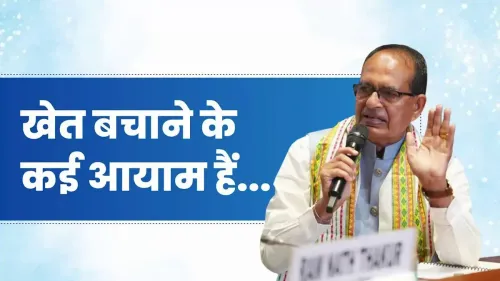
Khet Bachao Abhiyan 2026: Centre launches Rabi campaign for soil health, sustainable farming
Synopsis
India's agriculture ministry is rolling out its most expansive Rabi-season outreach in years — Khet Bachao Abhiyan 2026 targets one crore farmers across all tiers of government, with soil health, water conservation, crop diversification, and financial inclusion on the agenda. The Karnal launch by Agriculture Minister Shivraj Singh Chouhan signals a whole-of-government push to reshape farming habits before critical sowing decisions are made.
Key Takeaways
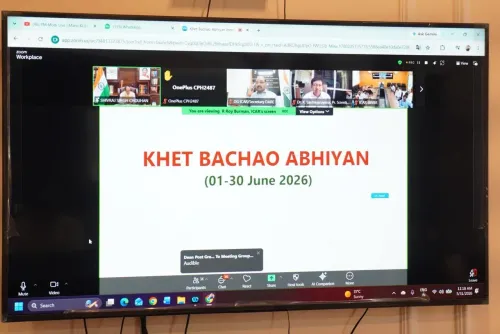
The Khet Bachao Abhiyan-Rabi 2026 will be launched on 23 October 2026 and run through 30 November 2026 .
Union Agriculture Minister Shivraj Singh Chouhan will flag off the campaign from Karnal, Haryana .
The campaign targets reaching around one crore participants through ATMA and ICAR networks.
Over 4,150 teams and more than 12,000 scientists and ATMA functionaries are expected to participate.
Key focus areas include soil health, water conservation, crop diversification, natural farming, green ammonia use, and financial inclusion via PMFBY and KCC .
Outreach will span state, district, block, and Gram Panchayat levels through Kisan Chaupals, field demos, radio, and Doordarshan.
The Ministry of Agriculture and Farmers Welfare is set to launch the nationwide Khet Bachao Abhiyan-Rabi 2026 on Thursday, 23 October 2026, running through 30 November 2026, with the goal of strengthening soil health and mainstreaming sustainable farming practices across India. The announcement was made through an official government statement on Wednesday, 22 October.
Launch and Objectives
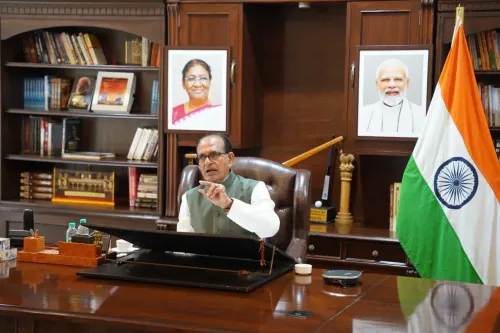
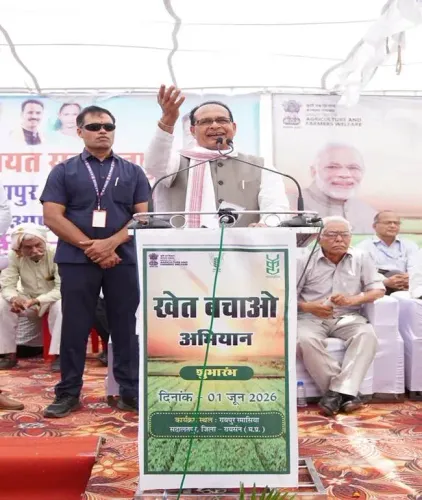
Union Agriculture Minister Shivraj Singh Chouhan will formally launch the campaign from Karnal, Haryana. The initiative is designed to build farmer awareness around the balanced and scientifically informed use of fertilisers and other agricultural inputs, grounded in soil testing data. It will also promote crop diversification through the government's oilseed, pulse, and horticulture missions, and encourage productive use of fallow fields left after paddy harvesting.
Proper crop residue management — a persistent challenge in north Indian states, where stubble burning contributes significantly to air pollution — forms a central pillar of the campaign. Training farmers in the use of organic and bio-based inputs, as well as natural farming practices, will be delivered through awareness programmes, training sessions, and field demonstrations.
Key Focus Areas
The campaign will place special emphasis on water conservation, rainwater harvesting, and groundwater recharge alongside resource-efficient and climate-resilient farming approaches. Specific attention will be given to the appropriate use of fertilisers — including green ammonia — and biological products. Farm mechanisation, regenerative agriculture practices, and intercropping with suitable crop varieties are also listed as key components.
On the financial inclusion front, the campaign will facilitate the creation of Farmer IDs, expand awareness about crop insurance under the Pradhan Mantri Fasal Bima Yojana (PMFBY), and push for wider coverage under the Kisan Credit Card (KCC) scheme. Information about benefits arising from trade agreements will also be disseminated to participating farmers.
Scale and Implementation Machinery
The campaign targets reaching around one crore participants through the Agricultural Technology Management Agency (ATMA) and the Indian Council of Agricultural Research (ICAR). A total of 4,150 teams involving Krishi Vigyan Kendras (KVKs) and ATMA functionaries are envisaged, with more than 12,000 scientists and ATMA functionaries expected to contribute.
State Agriculture Departments, ICAR institutes, State Agricultural Universities, Farmer Producer Organisations (FPOs), cooperatives, and Self-Help Groups (SHGs) will collaborate across state, district, block, and Gram Panchayat levels. Awareness will be amplified through local-language materials, radio, Doordarshan, and social media outreach.
Coordination and Monitoring
According to the official statement, the Department of Agriculture and Farmers Welfare will coordinate with state governments, ICAR institutions, and other stakeholders to ensure effective implementation and regular monitoring, 'with particular emphasis on farmers' participation and the adoption of sustainable agricultural practices.' Kisan Chaupals and farmers' conferences will serve as grassroots engagement forums throughout the campaign period.
The launch comes as India accelerates efforts to reduce dependence on chemical inputs and address long-term soil degradation, ahead of what policymakers expect will be a critical Rabi sowing season.
Point of View
But its impact will depend on whether it translates outreach into lasting behavioural change — a gap that has plagued similar soil-health and crop-diversification drives in the past. The explicit inclusion of green ammonia and regenerative agriculture is a meaningful signal, but farmer uptake of these inputs remains limited by price and supply-chain constraints that a campaign alone cannot fix. The one-crore-participant target is ambitious given the 40-day window, and risks becoming a numbers exercise unless quality of engagement is tracked alongside headcount. Notably, the campaign's crop residue management focus arrives just as stubble burning season begins in Punjab and Haryana — its success on that front will be the most visible near-term test.
NationPress
21 Oct 2026
Frequently Asked Questions
What is the Khet Bachao Abhiyan-Rabi 2026?
It is a nationwide campaign launched by the Ministry of Agriculture and Farmers Welfare, running from 23 October to 30 November 2026, aimed at improving soil health, promoting sustainable farming, encouraging crop diversification, and expanding financial inclusion among farmers. The campaign targets around one crore participants through ATMA and ICAR networks.
Who is launching the Khet Bachao Abhiyan and from where?
Union Agriculture Minister Shivraj Singh Chouhan will officially launch the campaign from Karnal in Haryana on Thursday, 23 October 2026. The launch location is significant given Haryana's role as a major paddy-producing state where post-harvest stubble management is a critical issue.
What are the main focus areas of the Khet Bachao Abhiyan 2026?
The campaign focuses on balanced fertiliser use based on soil testing, crop residue management, crop diversification into oilseeds and pulses, natural and organic farming, water conservation, green ammonia usage, and farm mechanisation. It also aims to expand farmer enrolment under PMFBY crop insurance and the Kisan Credit Card scheme.
How many people will be involved in implementing the campaign?
More than 12,000 scientists and ATMA functionaries are expected to contribute, organised into 4,150 teams involving Krishi Vigyan Kendras and ATMA. State Agriculture Departments, ICAR institutes, State Agricultural Universities, FPOs, cooperatives, and Self-Help Groups will all participate at the grassroots level.
How will farmers be informed about the Khet Bachao Abhiyan?
Outreach will be conducted through Kisan Chaupals, farmers' conferences, training sessions, and field demonstrations at the state, district, block, and Gram Panchayat levels. Local-language materials, radio, Doordarshan, and social media platforms will be used to ensure wider dissemination of information.