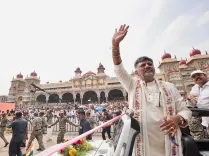
CM Rekha Gupta mourns passing of Sengol artisan Vummidi Ethiraj

Synopsis
Delhi Chief Minister Rekha Gupta paid tribute to master goldsmith Thiru Vummidi Ethiraj Ji, praising his role in preserving Indian craftsmanship and his family's historic connection to the Sengol, now installed in India's new Parliament building by Prime Minister Modi.
Key Takeaways
Delhi CM Rekha Gupta expressed grief over the passing of Thiru Vummidi Ethiraj Ji , a Tamil Nadu-based master goldsmith.
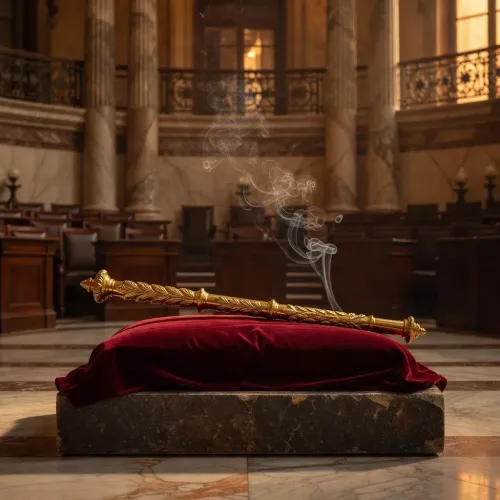
Vummidi Ethiraj's family crafted the Sengol , a ceremonial sceptre that symbolised the transfer of power at India's independence in 1947 .
Prime Minister Narendra Modi had the Sengol installed in the new Parliament building on 28 May 2023 during its inauguration.
CM Gupta described his craftsmanship as 'a way of preserving the memory, faith and cultural identity of a civilisation.' Vummidi Ethiraj represented a generation of artisans who maintained living links between ancient Indian tradition and present-day state institutions.
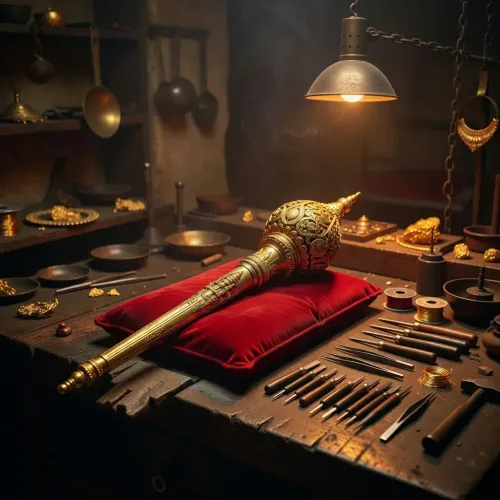
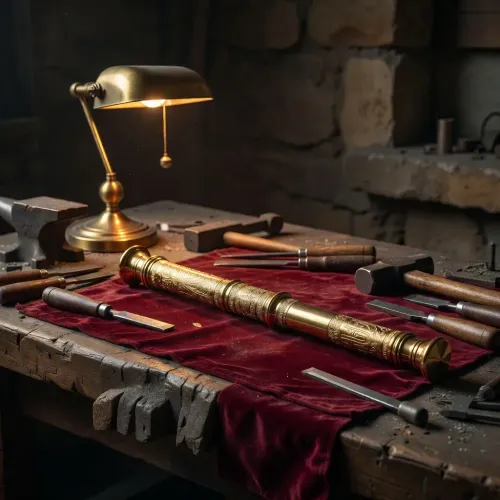
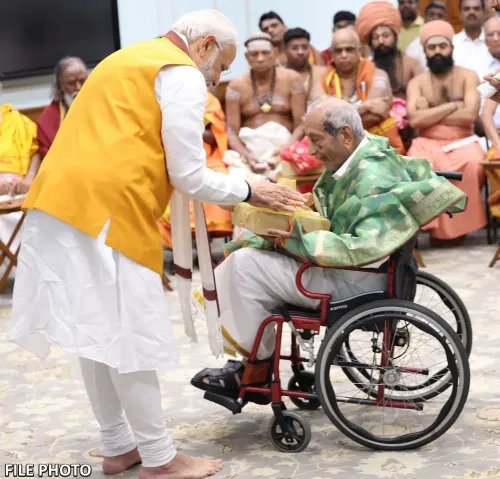
A craftsman who gave form to one of independent India's most resonant symbols is no longer with us. Delhi Chief Minister Rekha Gupta on Wednesday, 21 October 2026, expressed grief over the passing of Thiru Vummidi Ethiraj Ji, a Tamil Nadu-based master goldsmith from the storied Vummidi family of artisans, whose hands helped shape the historic Sengol — the ceremonial sceptre that once marked the transfer of power at India's independence in 1947.
The man behind the Sengol's golden legacy
In her tribute, CM Gupta wrote that for Vummidi Ethiraj, 'craftsmanship was more than an art — it was a way of preserving the memory, faith and cultural identity of a civilisation.' That is not a small claim. The Vummidi family's connection to the Sengol stretches back to the final hours of British rule, when the sceptre was crafted by Tamil artisans and handed to the first Prime Minister as a symbol of sovereign authority. Vummidi Ethiraj carried that lineage forward across decades.
His most visible legacy in the present era came on 28 May 2023, when Prime Minister Narendra Modi installed the Sengol in the new Parliament building in New Delhi during the complex's inauguration — restoring the sceptre from relative obscurity to a place of constitutional prominence. CM Gupta called this association 'one enduring chapter of a much larger legacy.'
A generation of artisans keeping ancient India alive
Vummidi Ethiraj belonged to a cohort of craftsmen who operated quietly but consequentially — families whose workshops held techniques centuries old, and who passed them on not through museums but through practice. That living transmission is precisely what CM Gupta highlighted: 'He belonged to a generation of artisans who ensured that India's ancient traditions remained a living part of its present.'
The tribute arrives against a broader pattern: since 2014, the central government has made the restoration of pre-independence and ancient symbols to official spaces a consistent policy thread. The Sengol's journey from a forgotten storeroom to a prime position inside Parliament is among the most visible expressions of that effort — and it would not have been possible without artisan families like the Vummidis, who kept the craft knowledge alive long before any policy mandated it.
Condolences and a closing prayer
CM Gupta extended her 'sincere condolences to his family and admirers,' closing with the words Om Shanti — a quiet, dignified farewell that matched the weight of the moment. No flourish, no political framing. Just acknowledgement of a life spent in service to something larger than any single commission.
Artisan lineages like the Vummidi family rarely make headlines on their own terms. Today, one of their most distinguished voices fell silent — and the golden sceptre standing in Parliament speaks louder for it.
Point of View
And honouring its craftsman reinforces that cultural project. The tribute also quietly elevates the status of traditional artisan communities, who have historically been invisible in political discourse despite their centrality to India's civilisational identity. Whether this acknowledgement translates into structural support for such artisan lineages — through state honours or heritage programmes — remains the more consequential question.
NationPress
21 Oct 2026
Frequently Asked Questions
Who was Thiru Vummidi Ethiraj Ji?
Thiru Vummidi Ethiraj Ji was a master goldsmith from Tamil Nadu and a member of the Vummidi family, renowned for their centuries-old craftsmanship. He is best known for his family's role in creating the Sengol, the historic ceremonial sceptre associated with India's independence in 1947.
What is the Sengol and why is it significant?
The Sengol is a gold ceremonial sceptre that symbolised the transfer of power from British to Indian rule in 1947. It was crafted by Tamil artisans, including the Vummidi family. Prime Minister Narendra Modi installed it in India's new Parliament building on 28 May 2023, restoring it to a place of national prominence.
Why did Delhi CM Rekha Gupta pay tribute to Vummidi Ethiraj Ji?
Delhi CM Rekha Gupta paid tribute on 21 October 2026 to mourn his passing, acknowledging his contribution to Indian craftsmanship and his family's historic connection to the Sengol, which now stands in the new Parliament building.
Where is the Sengol kept today?
The Sengol is installed inside the new Parliament building in New Delhi. Prime Minister Narendra Modi placed it there on 28 May 2023 during the inauguration of the new legislative complex.
What is the Vummidi family known for in Indian history?
The Vummidi family is a Tamil Nadu-based dynasty of goldsmiths with a centuries-long tradition of fine craftsmanship. Their most historically significant commission was the crafting of the Sengol in 1947, a sceptre that became a symbol of India's sovereign transfer of power at independence.