Amit Shah mourns Vummidi Ethiraj, craftsman of the Sengol
Synopsis
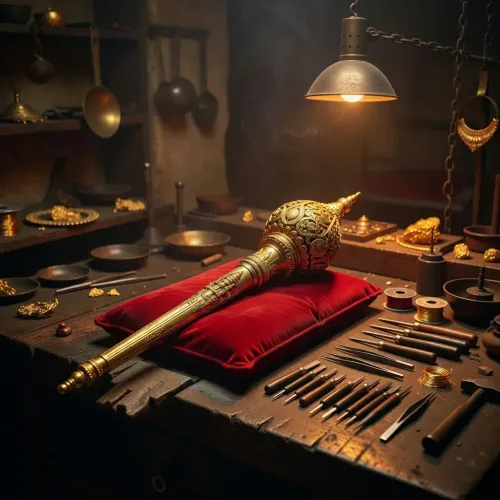
Union Home Minister Amit Shah mourned the passing of Thiru Vummidi Ethiraj, the Tamil craftsman who created the Sengol scepter installed in India's new Parliament in May 2023, calling him 'a living legend' whose craft symbolised India's sovereignty and break from colonialism.
Key Takeaways
Thiru Vummidi Ethiraj , the Tamil artisan who crafted the historic Sengol, has passed away.
Union Home Minister Amit Shah offered condolences on 21 October 2026 , posting in both English and Tamil.
The Sengol was originally crafted for the 1947 transfer-of-power ceremony, drawing on a Chola-era sovereign tradition.
Prime Minister Narendra Modi installed the Sengol in the new Parliament building on 28 May 2023 , beside the Speaker's chair.
Shah described Ethiraj as 'a living legend whose craft symbolised India's journey as a sovereign nation, free from the clutches of colonialism.' Possible state honours or parliamentary obituary references from the central or Tamil Nadu government may follow.
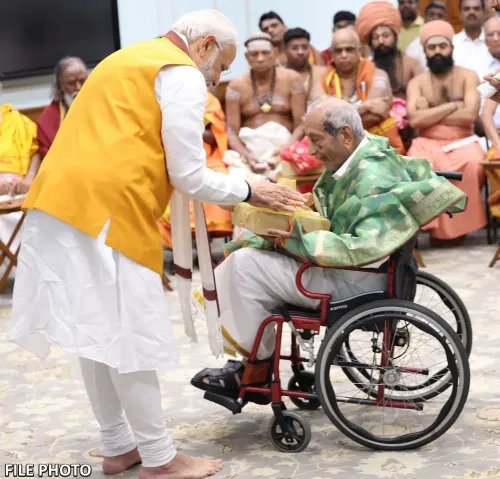
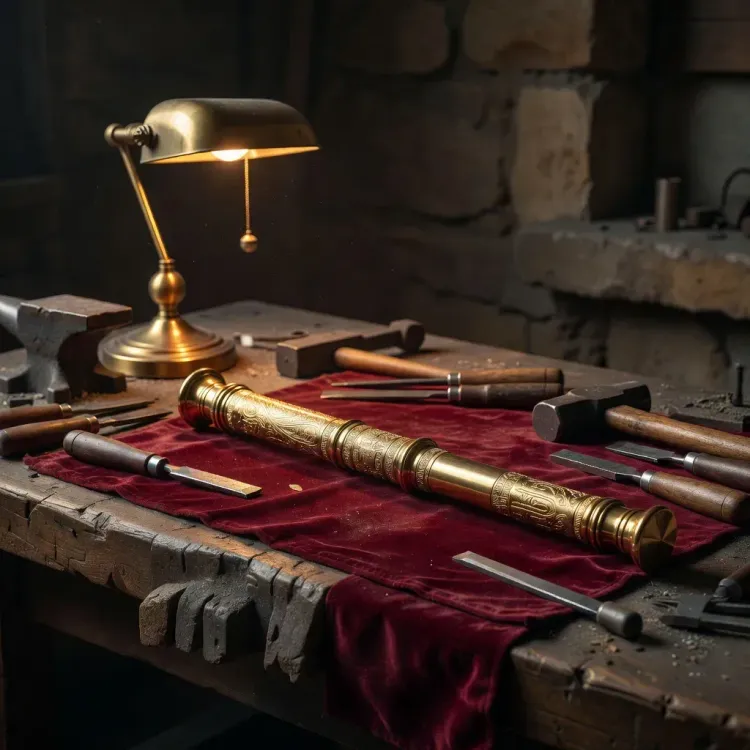
The man who gave physical form to India's most charged symbol of sovereignty is gone. Union Home Minister Amit Shah on Wednesday, 21 October 2026 expressed deep grief at the passing of Thiru Vummidi Ethiraj, the Tamil Nadu artisan who crafted the historic Sengol — the sacred scepter that came to embody India's break from colonial rule and, seven decades later, its confident assertion of civilisational continuity.
The craftsman behind the scepter
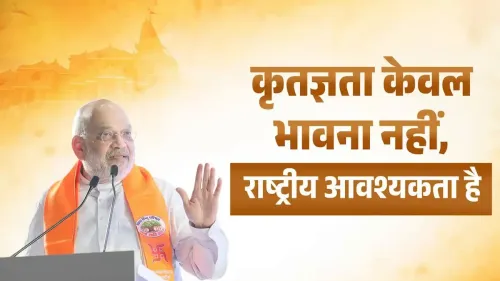
Posting in both English and Tamil, Shah called Ethiraj 'a living legend whose craft symbolised India's journey as a sovereign nation, free from the clutches of colonialism.' In Tamil, he wrote: 'வரலாற்றுச் சிறப்புமிக்க செங்கோல் உருவாக்கத்தில் முக்கியப் பங்காற்றிய புகழ்பெற்ற சிற்பி' — 'the celebrated sculptor who played a key role in creating the historically significant Sengol.' That personal invocation in the artisan's own language carried weight; Ethiraj was a figure rooted in Tamil craft tradition, and the bilingual tribute acknowledged precisely that.
The Sengol Ethiraj crafted traces its original moment to 1947, when it was commissioned as a ritual prop for the transfer of power from British hands to independent India — drawing on a Chola-era tradition in which a scepter blessed by a high priest was handed from one sovereign to the next. For decades the scepter's whereabouts and its significance were obscure, its story dimmed by the dominant Nehruvian ceremonial vocabulary of that era.
From obscurity to Parliament's Speaker chamber
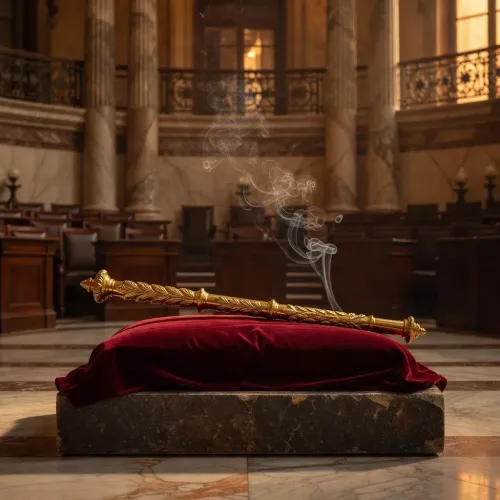
That changed decisively on 28 May 2023, when Prime Minister Narendra Modi installed the Sengol beside the Speaker's chair during the inauguration of the new Parliament building. The moment was framed — and fiercely debated — as a restoration of a pre-colonial Indian tradition into the very heart of the republic's legislative architecture. Regardless of where one stood on that argument, Ethiraj's workmanship suddenly became a matter of national record.
Shah's tribute underlined exactly this arc: 'The Modi government enshrined in Parliament the Sengol he crafted for the ceremony marking the transfer of power to the hands of Indians, honouring the ancient tradition embedded in our culture. His contribution will remain an indelible part of our history.' For a craftsman who had worked in relative anonymity, the 2023 installation had already transformed his legacy — his death now closes a chapter that the government had only recently reopened.
Shah's condolence and what follows
The Home Minister concluded with condolences to Ethiraj's 'bereaved family, friends and countless admirers,' mirroring the Tamil text: 'குடும்பத்தினர், நண்பர்கள் மற்றும் எண்ணற்ற அபிமானிகளுக்கு எனது ஆழ்ந்த இரங்கலை' — 'my deepest condolences to the family, friends and countless admirers.' Heritage organisations and Tamil artisan communities are likely to mourn a master craftsman whose work now stands permanently in the republic's most important chamber. Whether the central or Tamil Nadu government announces a formal state honour remains to be seen, but Shah's tribute at the level of a senior Cabinet minister signals the regard in which Ethiraj's contribution is held at the highest levels of government.
A craftsman's hands shaped a scepter. A government placed it at the centre of sovereign power. History, for once, recorded the artisan's name.
Point of View
Acknowledging that the Sengol's legitimacy rests partly on its roots in Tamil-speaking artisan tradition and Chola-era statecraft. The tribute extends a pattern the Modi government established in 2023: foregrounding pre-colonial Indian symbols in official spaces and then publicly honouring the human chain behind those symbols. For the BJP, Ethiraj's passing is an occasion to reinforce the civilisational-continuity narrative that the Sengol installation was designed to project. The absence of any partisan rhetoric in Shah's post is itself a signal — the government is treating this as a matter of national heritage rather than electoral messaging.
NationPress
21 Oct 2026
Frequently Asked Questions
Who was Vummidi Ethiraj and why is he significant?
Thiru Vummidi Ethiraj was a Tamil Nadu artisan credited with crafting the Sengol scepter used in the 1947 transfer-of-power ceremony marking Indian independence. His work gained national recognition when the scepter was installed in India's new Parliament building in May 2023.
What is the Sengol and where is it kept?
The Sengol is a Chola-era style scepter symbolising sovereignty. It was originally presented during the 1947 independence handover ceremony. Prime Minister Narendra Modi installed it beside the Speaker's chair in the new Parliament building on 28 May 2023.
What did Amit Shah say about Vummidi Ethiraj's death?
Amit Shah called Ethiraj 'a living legend whose craft symbolised India's journey as a sovereign nation, free from the clutches of colonialism,' and said his contribution would remain 'an indelible part of our history.' He also posted condolences in Tamil.
When was the Sengol installed in Parliament?
The Sengol was installed in India's new Parliament building on 28 May 2023, during its inauguration by Prime Minister Narendra Modi, placed beside the Speaker's chair as a revival of a 1947 independence ceremony tradition.
Will Vummidi Ethiraj receive any state honour?
No state honour has been confirmed yet. However, Home Minister Amit Shah's Cabinet-level tribute signals high official regard, and heritage organisations may press the central or Tamil Nadu government for a formal recognition.