Rajnath Singh mourns Vummidi Ethiraj, Sengol craftsman
Synopsis
Union Defence Minister Rajnath Singh mourned the death of Thiru Vummidi Ethiraj, the master craftsman from the Vummidi goldsmith family who created the historic Sengol scepter presented to Jawaharlal Nehru in 1947 and installed in India's new Parliament building in May 2023.
Key Takeaways
Rajnath Singh paid tribute on October 21, 2026 to Thiru Vummidi Ethiraj , calling his passing 'a profound loss to India's artistic and cultural heritage.' Vummidi Ethiraj was the master craftsman from the Vummidi family of Tamil goldsmiths who created the Sengol scepter.
The Sengol was presented to Prime Minister Jawaharlal Nehru in 1947 as a symbol of the transfer of power from British rule.
The scepter was reinstalled inside the new Parliament building on 28 May 2023 during its inauguration ceremony.
Rajnath Singh extended condolences to Ethiraj's 'family and loved ones,' recognising his contribution as part of the nation's founding history.
The man whose hands shaped one of independent India's most storied symbols is gone. Union Defence Minister Rajnath Singh on Wednesday, October 21, 2026, paid tribute to Thiru Vummidi Ethiraj, the master goldsmith behind the historic Sengol scepter, calling his passing 'a profound loss to India's rich artistic and cultural heritage.'
The craftsman behind the Sengol's golden legacy
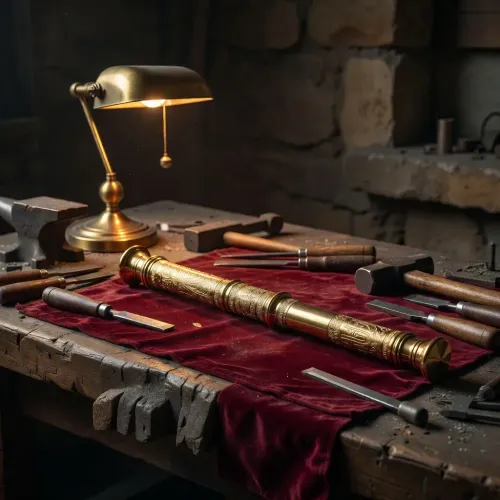
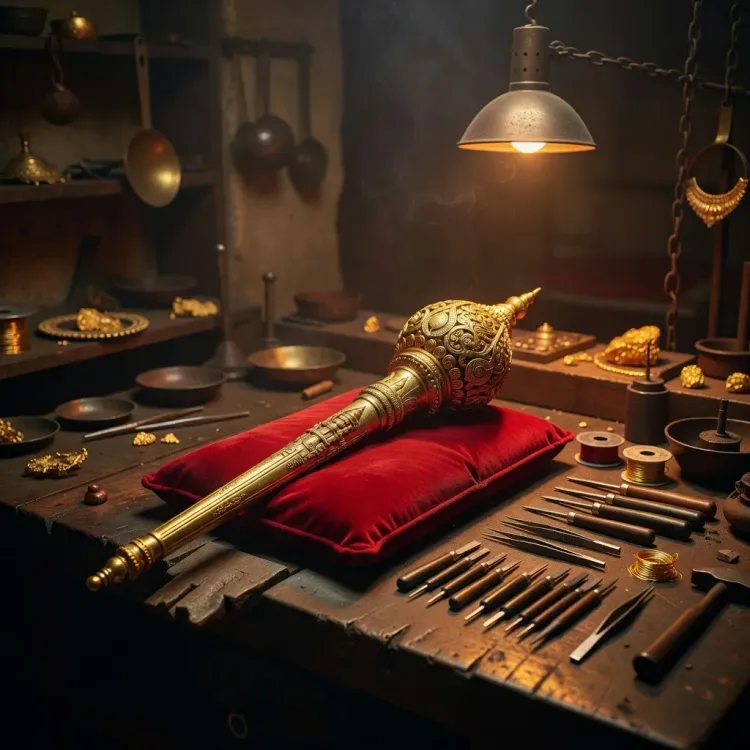
Vummidi Ethiraj belonged to the Vummidi family, a celebrated lineage of Tamil goldsmiths whose craft became inseparable from a watershed moment in the nation's founding story. The Sengol — a ceremonial golden scepter rooted in the Chola tradition of consecrated transfer of authority — was presented to Prime Minister Jawaharlal Nehru in 1947 as a sovereign symbol of power passing from the British Crown to the Indian people. Ethiraj's exceptional craftsmanship was at the heart of that creation, binding his name to the birth of the republic itself.
Rajnath Singh's tribute was unambiguous in its weight: 'His exceptional craftsmanship in creating the historic Sengol has secured a special place for him in the nation's history. His legacy will be remembered with deep respect and gratitude.' The minister also extended 'heartfelt condolences to his family and loved ones during this difficult time.'
From a vault to Parliament's central hall
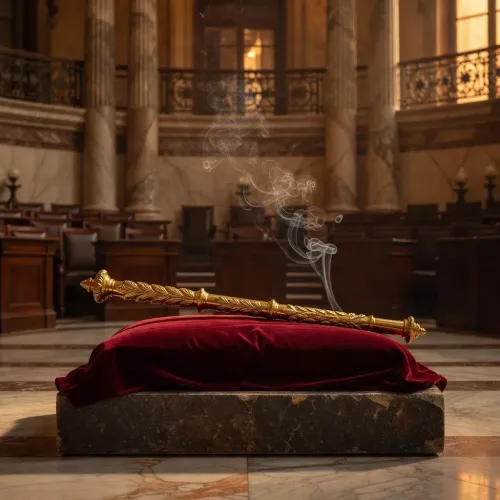
For decades the Sengol sat in relative obscurity, its significance dimmed by time. That changed on 28 May 2023, when the scepter was installed with full ceremony inside the new Parliament building during its inauguration, placed near the Speaker's chair as a living emblem of India's civilisational continuity. The moment reignited national interest in the artisans who had made it — and in the Vummidi family's irreplaceable contribution to that chapter of history.
The reinstallation also set off a broader official effort to centre Tamil cultural craftsmanship within the national heritage narrative, a pattern that Ethiraj's passing now punctuates with poignant finality. His death closes a direct human link to the moment India received its first symbol of self-governance.
A quiet master, an enduring imprint
Traditional goldsmiths of Ethiraj's generation worked without fanfare, their artistry embedded in religious and ceremonial commissions passed down through family ateliers. That Ethiraj's name has now been invoked by a Union Cabinet minister in a formal public tribute — and that his work stands installed inside the chamber where India's laws are made — speaks to a legacy that long outlasted its creator's public profile. The condolence from one of the country's senior-most ministers signals the government's view of his contribution: not merely artisanal, but national.
Point of View
Sharpening the question of whether formal state honours or institutional recognition will follow to cement his place in the official record.
NationPress
21 Oct 2026
Frequently Asked Questions
Who was Thiru Vummidi Ethiraj?
Thiru Vummidi Ethiraj was a master goldsmith from the Vummidi family, a celebrated lineage of Tamil artisans. He is best known for crafting the historic Sengol scepter that was presented to Prime Minister Jawaharlal Nehru in 1947 as a symbol of India's transfer of power.
What is the Sengol and why is it significant?
The Sengol is a ceremonial golden scepter rooted in the Chola tradition of consecrated royal authority. It was presented to Jawaharlal Nehru in 1947 to mark the transfer of power from British rule to independent India, and was installed in the new Parliament building on 28 May 2023.
Why did Rajnath Singh pay tribute to Vummidi Ethiraj?
Union Defence Minister Rajnath Singh described Ethiraj's passing as 'a profound loss to India's rich artistic and cultural heritage,' acknowledging that his craftsmanship in creating the Sengol had 'secured a special place for him in the nation's history.'
When was the Sengol installed in the new Parliament building?
The Sengol was installed in India's new Parliament building on 28 May 2023, during the building's inauguration ceremony, placed near the Speaker's chair as a symbol of civilisational continuity.
Will Vummidi Ethiraj receive any state honours?
No official state honours or memorial announcements have been confirmed yet by either the central government or the Tamil Nadu government. Any such recognition has not been verified and remains to be announced.