Chamoli's Monsoon-Hit Roads Get Urgent Repair Push
Synopsis
Uttarakhand's CMO has announced an intensified drive to repair monsoon-damaged roads in Chamoli district, with teams from multiple departments carrying out patchwork and improvement work as the post-monsoon repair window narrows.
Key Takeaways
The Chief Minister's Office of Uttarakhand announced the road repair drive on September 26, 2026 .
Chamoli district in the Garhwal Himalayan region faces severe annual road damage from monsoon rains, landslides, and erosion.
Teams from multiple departments are simultaneously engaged in patchwork and road improvement work.
The campaign aims to make monsoon-damaged roads pothole-free to restore connectivity for residents and commuters.
Post-monsoon repair drives are a recurring seasonal practice in Uttarakhand's vulnerable hill districts.
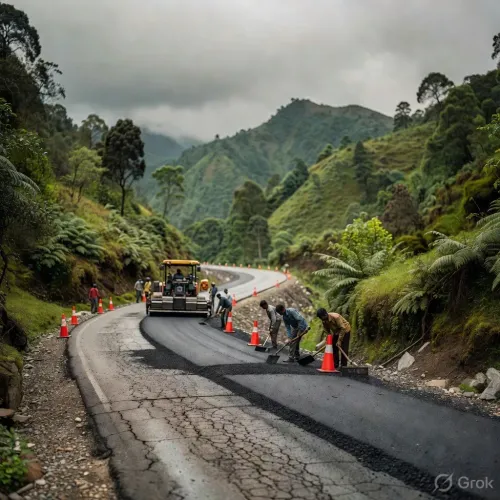
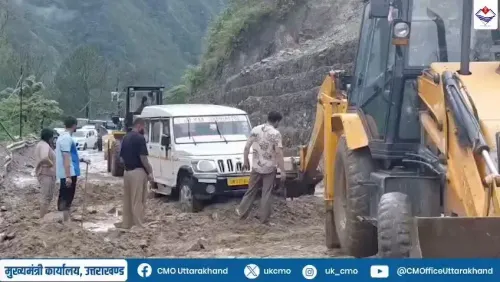
Every monsoon, the mountains take their toll — and in Chamoli district, the bill this season has come due in cracked asphalt, washed-out shoulders, and roads that punish every commuter who uses them. The Chief Minister's Office of Uttarakhand announced on Saturday, September 26, 2026 that a focused drive to make monsoon-damaged roads pothole-free is now in full swing, with teams from multiple departments deployed simultaneously for patchwork and improvement work.
The post reads: 'Janpad Chamoli mein monsoon se kshatigrast sadon ko gaddhamukta karne ka abhiyan tez, vibhinn vibhagon ki teemein patchwork aur sudhareekaran kary mein jutein.' — 'The campaign to make monsoon-damaged roads in Chamoli district pothole-free has intensified, with teams from various departments engaged in patchwork and improvement work.'
Why Chamoli Gets Hit Every Year
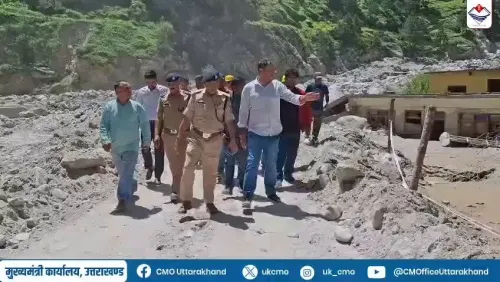
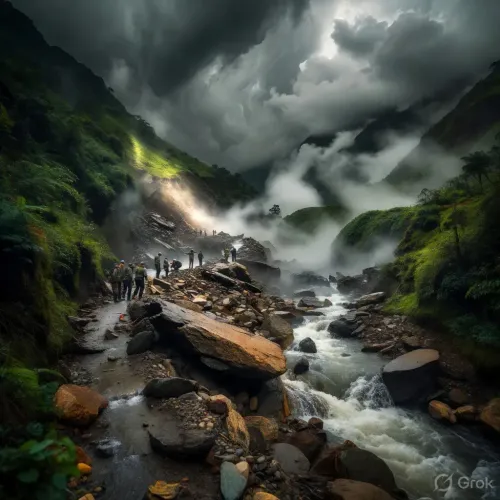
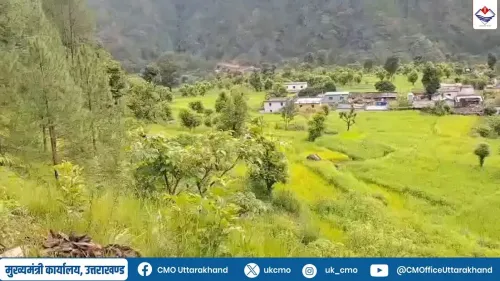
Chamoli sits deep in Uttarakhand's Garhwal region, a landscape of high-altitude terrain, steep gradients, and river valleys that act as funnels for monsoon rainfall. Landslides, erosion, and flash flooding are not freak events here — they are a seasonal certainty. Roads that serve as lifelines to remote villages and pilgrimage routes bear the worst of it, deteriorating rapidly once the rains arrive in earnest.
The state has long maintained a pattern of deploying multi-department repair teams in the post-monsoon window — that narrow stretch between the rains easing and the onset of winter, when construction is still viable. The goal is always the same: restore basic connectivity before cold weather and snowfall make repairs impossible until spring.
Multiple Departments, One Deadline
The coordinated deployment of teams from 'various departments' — as the CMO's post notes — signals the scale of the damage this season. Road repair in hilly terrain is rarely a single-agency job: the Public Works Department, rural road bodies, and district administration units typically work in parallel to cover the full spread of affected routes. Patchwork fills and surface improvement are the immediate priority, buying time until permanent strengthening works can be planned for the next dry season.
For Chamoli's residents and daily commuters, the stakes are straightforward: safer roads mean quicker access to markets, hospitals, and schools. In a district where a potholed stretch can mean hours added to a journey, this repair push is less a policy announcement and more a basic public service delivery test.
The real question, as winter draws closer, is whether the patchwork holds — and whether it will be followed by the kind of structural reinforcement that could reduce how much ground Chamoli loses to the next monsoon.
Point of View
But the broader pattern suggests patchwork repairs remain the default response rather than structural investment ahead of the monsoon. For the ruling dispensation, visible action on basic connectivity in remote hill districts carries real electoral significance, given how acutely road quality affects daily life in places like Chamoli. The harder governance test is whether this season's campaign generates any forward planning for pre-monsoon road hardening.
NationPress
26 Sept 2026
Frequently Asked Questions
Why are roads in Chamoli damaged every monsoon?
Chamoli district sits in Uttarakhand's steep Garhwal Himalayas, where heavy monsoon rainfall causes landslides, flash floods, and erosion that routinely damage road surfaces and foundations every year.
What is the Chamoli road pothole-free campaign?
It is a post-monsoon repair drive announced by the Uttarakhand CMO in which teams from multiple state departments carry out patchwork and improvement work to restore road quality in Chamoli district.
Which departments are repairing Chamoli roads?
The CMO's post refers to 'various departments' working together; typically the Public Works Department and rural road bodies coordinate such seasonal repair drives in Uttarakhand's hill districts.
How serious is monsoon road damage in Uttarakhand?
Himalayan districts in Uttarakhand regularly face severe road damage each monsoon season, disrupting connectivity to villages, markets, hospitals, and pilgrimage routes for weeks or months.
When does post-monsoon road repair typically happen in Uttarakhand?
Repairs are carried out in the narrow window after the monsoon eases — typically September to November — before winter snowfall makes construction work in high-altitude areas impossible.