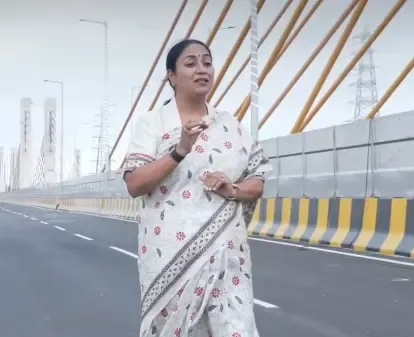
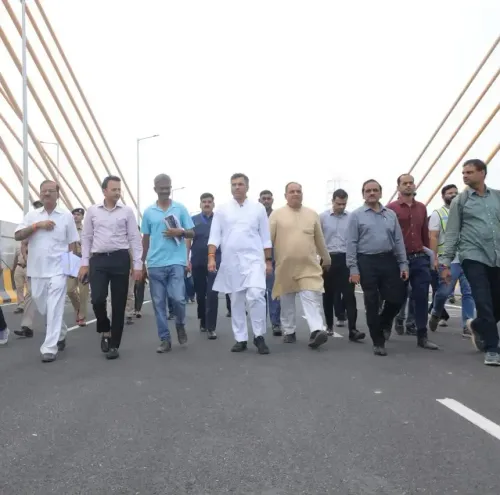
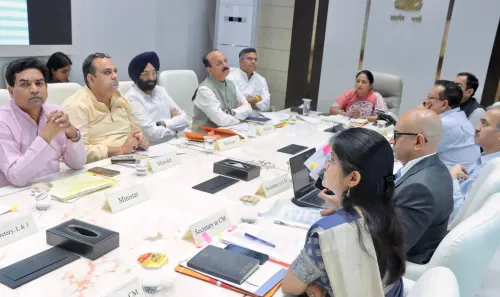
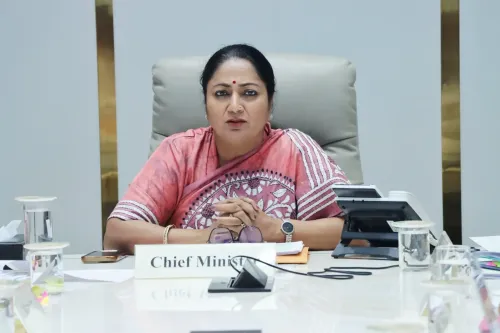
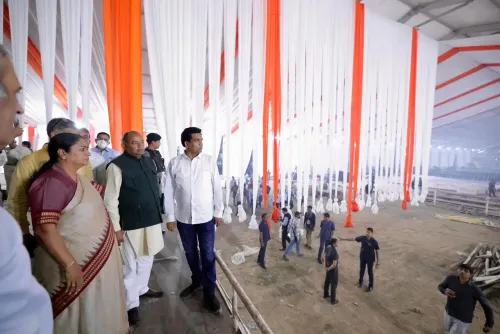
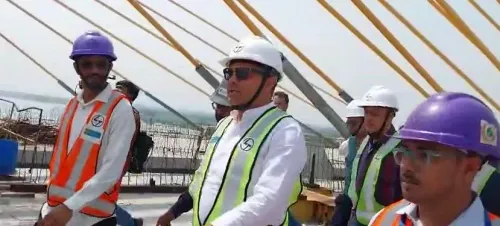
CM Rekha Gupta inspects Barapulla Phase-III ahead of Amit Shah inauguration
Synopsis
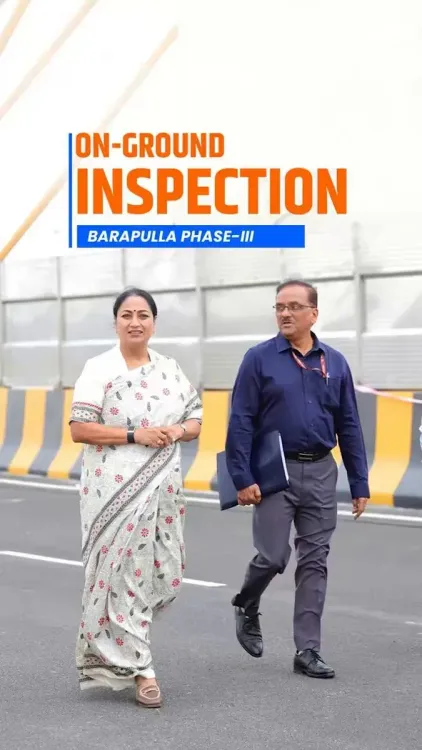
Delhi CM Rekha Gupta inspected the completed Barapulla Elevated Road Phase-III on 26 September 2026, ahead of its inauguration by Union Home Minister Amit Shah on 29 September. The corridor will deliver signal-free connectivity from Mayur Vihar Phase-I to AIIMS, easing travel between East and South Delhi.
Key Takeaways
Barapulla Elevated Road Phase-III has been declared ready for use after CM Rekha Gupta 's full inspection on 26 September 2026 .
Union Home Minister Amit Shah will formally inaugurate the corridor on 29 September 2026 .
The route provides signal-free connectivity from Mayur Vihar Phase-I (East Delhi) to AIIMS (South Delhi).
The project is an extension of the Barapulla Elevated Road series, whose earlier phases were built in the 2010s .
The corridor is framed within the BJP's Viksit Bharat / Viksit Delhi urban infrastructure drive, accelerated after the party's 2025 Delhi assembly election win.
A long-delayed promise to Delhi's commuters is days away from delivery. Delhi Chief Minister Rekha Gupta on Saturday, 26 September 2026, walked the full length of the Barapulla Elevated Road Phase-III corridor, declaring it ready for public use ahead of its formal inauguration by Union Home and Cooperation Minister Amit Shah on 29 September.
Mayur Vihar to AIIMS — the signal-free promise
The corridor's defining feature is what it eliminates: every traffic signal between Mayur Vihar Phase-I in East Delhi and AIIMS in South Delhi. For lakhs of residents who daily navigate that cross-city grind — students, patients, office commuters — a signal-free elevated route represents a meaningful cut in travel time and frustration. The two zones have historically been separated by some of the capital's most congested surface roads, with no direct elevated link.
CM Gupta described the project as giving 'a new direction to Delhi's connectivity and growth,' framing it as part of a broader infrastructure momentum building under Prime Minister Narendra Modi. The Viksit Delhi hashtag she attached signals the project's deliberate placement within the BJP's national Viksit Bharat development framework.
Barapulla's long road: Phase-I, II, and now Phase-III
The Barapulla Elevated Road is not a new idea — its earlier phases were built across the 2010s to stitch together east-west corridors across the capital. Phase-III is the latest and most ambitious extension, stretching the spine deeper into South Delhi and finally reaching AIIMS, one of the country's most visited public institutions. Completing a multi-phase urban infrastructure project of this scale typically requires navigating land acquisition, utility shifting, and coordination across multiple civic bodies — making the finish line genuinely significant.
The BJP won Delhi's assembly elections in 2025, and the Gupta government has since moved to accelerate a slate of long-pending urban road projects, positioning infrastructure delivery as a core governing credential.
Amit Shah's 29 September inauguration date
The choice to have Amit Shah cut the ribbon — rather than a local minister alone — signals the political weight the party assigns to this opening. Shah's presence connects a city-level infrastructure win directly to the Union government, reinforcing the BJP's narrative that Delhi's development stalled for years and is now being unlocked under central partnership.
After inauguration, the corridor's real test begins: whether travel-time savings materialise at scale, and whether the project seeds further conversation about integrating the elevated road network with Delhi's expanding metro lines.
Millions of commuters have waited for a faster, signal-free path across one of India's most congested cities — on 29 September, they get their first drive on it.
Point of View
Completing a long-stalled corridor less than two years into her tenure builds a tangible governance record ahead of future electoral cycles. The signal-free Mayur Vihar–AIIMS link also fits the Modi government's broader Viksit Bharat framing, where metropolitan connectivity projects are packaged as proof of national development ambition. The corridor's post-inauguration performance — actual travel-time reduction, integration with metro planning — will determine whether it becomes a durable legacy or a single-day headline.
NationPress
26 Sept 2026
Frequently Asked Questions
When will Barapulla Elevated Road Phase-III be inaugurated?
Barapulla Elevated Road Phase-III is scheduled to be inaugurated on 29 September 2026 by Union Home and Cooperation Minister Amit Shah .
Which areas will be connected by Barapulla Elevated Road Phase-III?
The corridor will provide signal-free connectivity between Mayur Vihar Phase-I in East Delhi and AIIMS in South Delhi, reducing travel time across one of the capital's most congested routes.
Who inspected Barapulla Elevated Road Phase-III before inauguration?
Delhi Chief Minister Rekha Gupta inspected the entire corridor on 26 September 2026 , declaring it ready to serve the people of Delhi.
What are the earlier phases of the Barapulla Elevated Road?
The Barapulla Elevated Road's earlier phases were constructed during the 2010s to improve east-west connectivity across Delhi. Phase-III is the latest extension, reaching all the way to AIIMS in South Delhi.
How does Barapulla Phase-III fit into Delhi's development plans?
The project is part of the BJP government's push to accelerate long-pending urban road infrastructure in Delhi, positioned within the Viksit Bharat and Viksit Delhi development frameworks championed under PM Narendra Modi.