Amit Shah inaugurates Barapullah Phase-III corridor, cuts East Delhi-AIIMS time to 15 mins
Synopsis
Home Minister Amit Shah inaugurated Delhi's Barapullah Phase-III elevated corridor on 29 September — the largest stretch of the four-phase network — slashing travel time from Mayur Vihar to AIIMS from 40 minutes to roughly 15. For lakhs of daily commuters from East Delhi and Noida, a decades-long congestion nightmare just got a concrete fix.
Key Takeaways
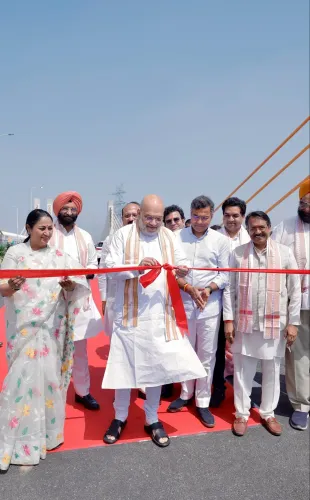
Union Home Minister Amit Shah inaugurated the Barapullah Phase-III elevated corridor on 29 September 2026 in New Delhi.
The corridor connects Mayur Vihar Phase-I (East Delhi) to the AIIMS area (South Delhi) via a signal-free elevated route.
It integrates with the existing Barapullah road at Sarai Kale Khan , forming an approximately 9-km continuous stretch.
Average travel time between East Delhi and AIIMS is expected to fall from 35–40 minutes to around 15 minutes .
Phase-III is the largest of the four phases in the Barapullah corridor network.
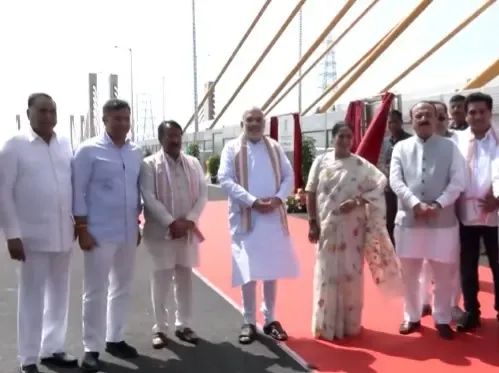
Delhi CM Rekha Gupta , PWD Minister Parvesh Sahib Singh , and Minister Kapil Mishra were present at the inauguration.
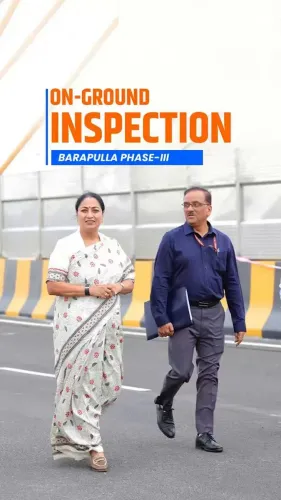
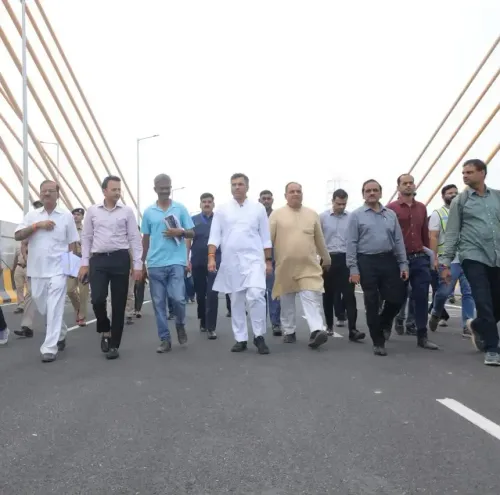
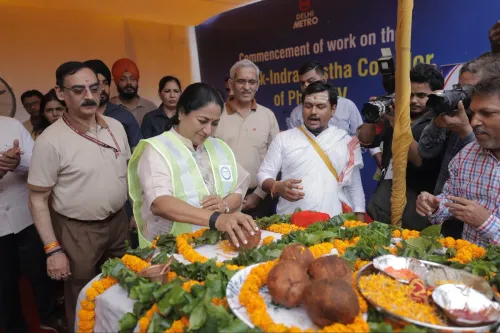
Union Home Minister Amit Shah on Tuesday, 29 September 2026, inaugurated the Barapullah Phase-III elevated corridor in New Delhi, marking a major infrastructure milestone aimed at delivering signal-free connectivity between East Delhi and South Delhi. The project is the largest component of the four-phase Barapullah corridor network and is expected to cut average travel time between Mayur Vihar Phase-I and the AIIMS area from roughly 35–40 minutes to approximately 15 minutes.
Key Details of the Corridor
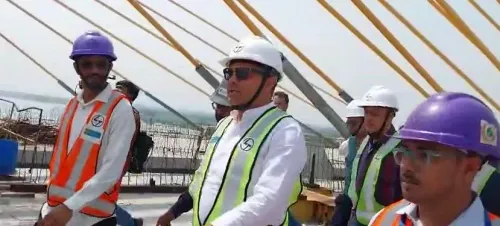
The Phase-III stretch links Mayur Vihar Phase-I in East Delhi to the AIIMS area in South Delhi through a fully elevated, signal-free route. It connects with the existing Barapullah elevated road at Sarai Kale Khan, completing an approximately 9-km-long continuous stretch along one of the capital's most congested arterials. Commuters from Noida are among the primary beneficiaries, gaining a more direct approach to central and southern parts of Delhi without navigating multiple signalised intersections.
Inauguration Ceremony
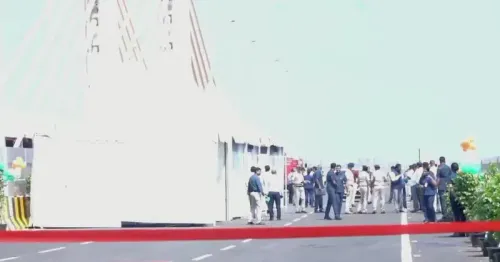
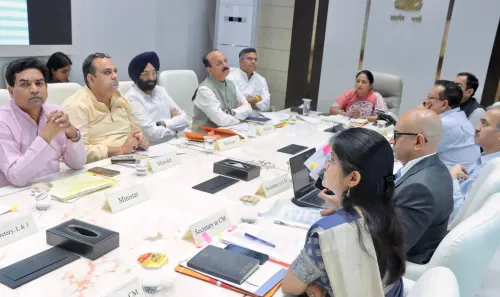
The inauguration was held in the presence of Delhi Chief Minister Rekha Gupta, Public Works Department (PWD) Minister Parvesh Sahib Singh, Minister Kapil Mishra, and other senior Delhi government leaders. The high-profile attendance signals the political importance both the Centre and the Delhi government are attaching to infrastructure delivery in the national capital, particularly ahead of expected scrutiny over urban mobility improvements.
Why This Corridor Matters
The Barapullah network has been developed in phases specifically to address east-west connectivity deficits across the capital. Phase-III, being the largest of the four phases, tackles one of the most heavily trafficked corridors — a route that funnels daily commuters from the densely populated Mayur Vihar belt and satellite city Noida toward hospitals, government offices, and transport hubs clustered around AIIMS and Sarai Kale Khan. Notably, the corridor bypasses several historically congested stretches, offering motorists an uninterrupted elevated route for the bulk of the journey.
Broader Impact on Delhi's Road Network
The opening fits into Delhi's wider push to expand its network of elevated roads and signal-free corridors as the city grapples with chronic congestion. Traffic authorities expect the project to significantly ease pressure on parallel surface roads. With Phase-III now operational, the integrated Barapullah elevated corridor offers a substantially longer continuous stretch, improving the overall efficiency of east-to-south movement across the city. Further phases or complementary projects are expected to build on this foundation as Delhi's infrastructure upgrade programme continues.
Point of View
Even as an elected Delhi government runs the city. The 15-minute travel time promise is the headline, but the real test will be whether the corridor delivers those gains during peak hours, when the feeder roads at Mayur Vihar and Sarai Kale Khan themselves become chokepoints. Delhi's previous elevated corridors have at times shifted congestion rather than resolved it. Sustained traffic management at the entry and exit nodes will determine whether Phase-III becomes a model or a cautionary tale for the phases still to come.
NationPress
29 Sept 2026
Frequently Asked Questions
What is the Barapullah Phase-III elevated corridor?
The Barapullah Phase-III elevated corridor is a signal-free, elevated road linking Mayur Vihar Phase-I in East Delhi to the AIIMS area in South Delhi. It is the largest of the four phases in the Barapullah corridor network and forms part of a roughly 9-km continuous elevated stretch connecting to the existing road at Sarai Kale Khan.
Who inaugurated the Barapullah Phase-III corridor and when?
Union Home Minister Amit Shah inaugurated the corridor on 29 September 2026 in New Delhi. Delhi Chief Minister Rekha Gupta, PWD Minister Parvesh Sahib Singh, and Minister Kapil Mishra were also present at the ceremony.
How much will the Barapullah Phase-III corridor reduce travel time?
Authorities expect average travel time between East Delhi and the AIIMS area to fall from approximately 35–40 minutes to around 15 minutes, depending on traffic conditions, thanks to the signal-free elevated route.
Who benefits most from the Barapullah Phase-III corridor?
Commuters travelling from Mayur Vihar, Noida, and surrounding East Delhi areas toward Sarai Kale Khan, AIIMS, and other parts of South Delhi are the primary beneficiaries. The corridor bypasses several congested surface stretches and multiple traffic signals.
How does Phase-III fit into the broader Barapullah corridor network?
The Barapullah network has been built in phases to improve east-west connectivity across Delhi. Phase-III is the network's largest segment and, by linking to the existing elevated road at Sarai Kale Khan, completes a near-continuous elevated stretch that significantly extends the corridor's reach and utility.