Amit Shah Inaugurates ₹1,941 Cr Delhi Road Projects
Synopsis
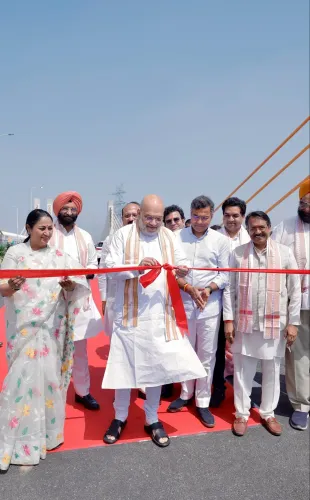
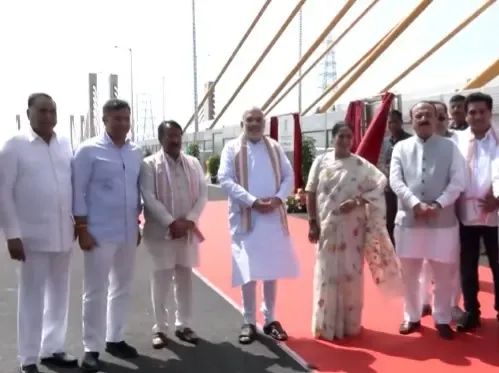
Union Home Minister Amit Shah on 29 September 2026 inaugurated the ₹1,635 crore Barapullah Elevated Road Phase-3, delivering signal-free east-south Delhi connectivity, and laid foundation stones for the Modi Mill–Savitri Cinema Flyover and Loni Underpass as part of a ₹1,941 crore infrastructure package.
Key Takeaways
Barapullah Elevated Road Phase-3 , built at ₹1,635 crore , was inaugurated and dedicated to Delhi commuters on 29 September 2026 .
The corridor provides signal-free connectivity between eastern and southern Delhi , reducing travel time and traffic congestion.
Foundation stones were laid for the Modi Mill–Savitri Cinema Flyover and the Loni Underpass on the same day.
Total project value announced across all three works exceeds ₹1,941 crore .
The projects continue a pattern of central government-funded urban mobility investment in the national capital.
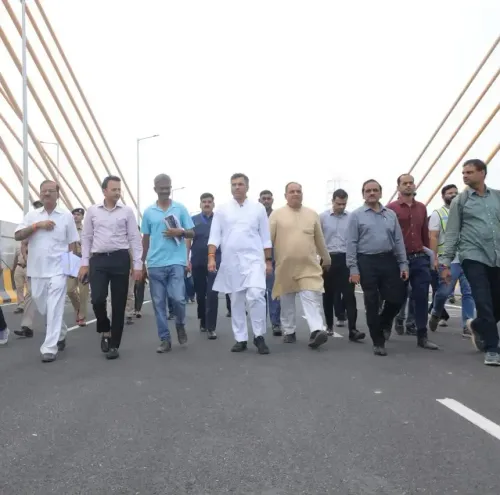
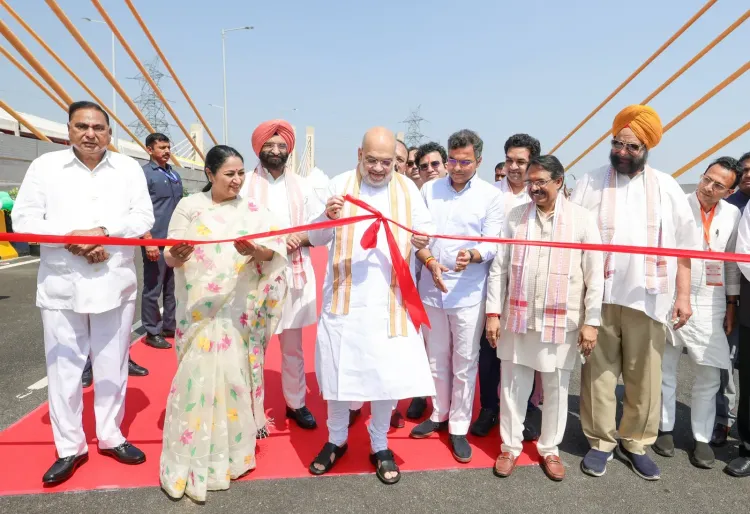
A ₹1,635 crore elevated corridor cutting signal-free through the heart of the capital — that is what Union Home Minister Amit Shah handed over to Delhi commuters on Tuesday, 29 September 2026, as part of a sweeping ₹1,941 crore infrastructure push for the national capital.
Barapullah Phase-3: East meets South, without a single red light
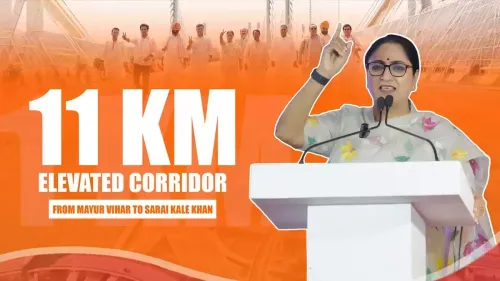
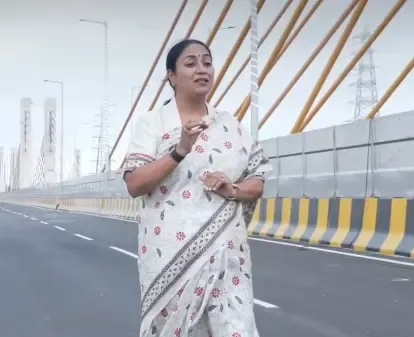
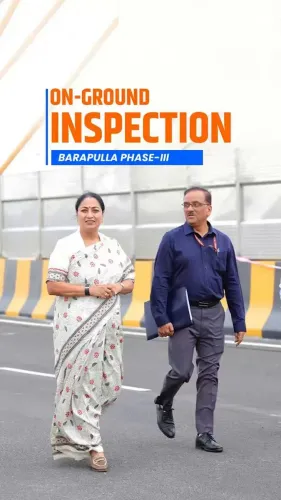
The centrepiece of the day was the formal dedication of the Barapullah Elevated Road Phase-3, built at a cost of ₹1,635 crore. Shah described the project as delivering 'signal-free connectivity between eastern and southern Delhi' — a corridor that promises to slash travel times and dissolve the gridlock that has long plagued residents commuting between the two zones. The elevated format means vehicles glide above intersections rather than queuing through them, a design philosophy that has proved effective on earlier phases of the same corridor.
Delhi's traffic problem is structural: a city of over 20 million people squeezed into a dense urban grid where road capacity has consistently lagged population growth. Elevated corridors and grade-separated intersections are the Union government's preferred lever to buy the capital breathing room — and Barapullah Phase-3 is the latest, and most expensive, expression of that bet.
Modi Mill flyover and Loni underpass: the next two bets
Beyond the ribbon-cutting, Shah also laid the foundation stones for two additional projects: the Modi Mill–Savitri Cinema Flyover and the Loni Underpass. Both are at the beginning of their construction arcs, meaning the relief they promise is still months away — but their groundbreaking on the same day signals an intent to keep the capital's infrastructure pipeline full rather than allowing gaps between project completions.
Taken together, the three projects represent a coordinated attempt to attack congestion from multiple nodes simultaneously — the elevated road for the east-south spine, the flyover for a notoriously choked south Delhi junction, and the underpass for the Loni stretch feeding into the city's northern approaches.
Central government's running tab on Delhi roads
The pattern here is deliberate and recurring. Union ministries have repeatedly stepped in to fund and inaugurate Delhi road projects in coordination with local agencies, positioning the Centre as the primary engine of urban mobility investment in the capital. The Barapullah corridor itself is a multi-phase project that has been under construction across successive governments, with each phase adding kilometres of signal-free travel to a city that badly needs it.
For ordinary Delhiites, the arithmetic is simple: less time in traffic means more time everywhere else. Whether Phase-3 delivers on that promise at scale will be tested in the weeks after it opens to full traffic flow.
Point of View
A city where the BJP has struggled electorally. Barapullah Phase-3 is the most tangible deliverable: a completed, rideable corridor that commuters will judge on daily experience rather than press releases. The flyover and underpass foundation stones extend the political dividend further into the future, keeping the infrastructure narrative alive well past today's event. For the BJP, every signal-free kilometre in Delhi is also a political argument made in asphalt.
NationPress
29 Sept 2026
Frequently Asked Questions
What is the Barapullah Elevated Road Phase-3?
Barapullah Elevated Road Phase-3 is a ₹1,635 crore elevated corridor in Delhi inaugurated on 29 September 2026 that provides signal-free connectivity between eastern and southern Delhi, reducing travel time and easing traffic congestion.
Who inaugurated the Barapullah Phase-3 elevated road?
Union Home Minister Amit Shah inaugurated and dedicated the Barapullah Elevated Road Phase-3 to Delhi commuters on 29 September 2026 .
What other Delhi projects were announced along with Barapullah Phase-3?
Along with the Barapullah Phase-3 inauguration, foundation stones were laid for the Modi Mill–Savitri Cinema Flyover and the Loni Underpass , bringing the total value of projects announced to over ₹1,941 crore .
How does Barapullah Phase-3 help Delhi commuters?
The elevated road creates a signal-free route between eastern and southern Delhi , allowing vehicles to bypass ground-level intersections, which cuts travel time and reduces traffic jams on one of the capital's busiest commuter belts.
What is the total cost of Delhi infrastructure projects inaugurated on 29 September 2026?
The total value of projects inaugurated and foundation-stoned on 29 September 2026 exceeds ₹1,941 crore , with the Barapullah Phase-3 alone accounting for ₹1,635 crore .