CM Rekha Gupta opens Barapullah Phase-III, easing East-South Delhi travel
Synopsis
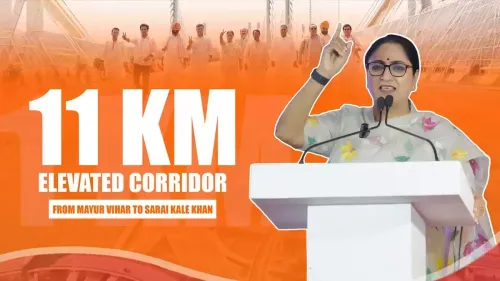
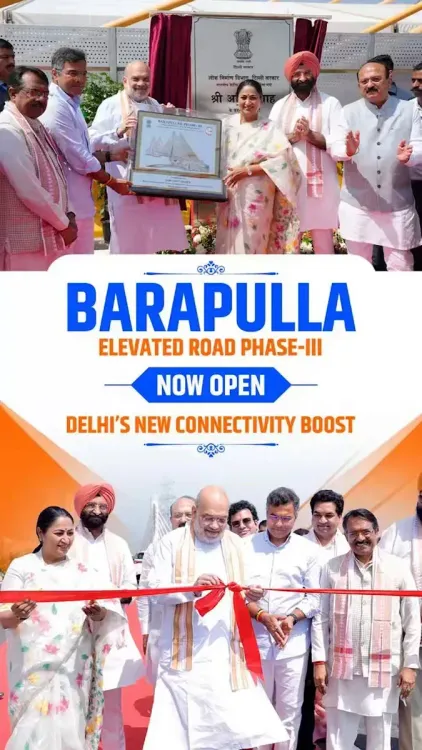
Delhi CM Rekha Gupta inaugurated Barapullah Elevated Road Phase-III on 29 September 2026, delivering signal-free travel between Mayur Vihar Phase-I and AIIMS. The project is part of connectivity investments exceeding ₹1,941 crore aimed at easing East-South Delhi commutes under the Viksit Delhi agenda.
Key Takeaways
Barapullah Elevated Road Phase-III was inaugurated on 29 September 2026 by Delhi CM Rekha Gupta .
The corridor enables signal-free travel from Mayur Vihar Phase-I in East Delhi to AIIMS in South Delhi.
The inauguration is part of a broader connectivity package worth over ₹1,941 crore .
Phase-III is the latest addition to a multi-phase elevated road project aimed at bridging East and South Delhi.
The AIIMS link improves healthcare access for East Delhi residents making medical trips to one of India's busiest hospitals.
Remaining projects under the ₹1,941 crore package and traffic-impact assessments are the next milestones to watch.
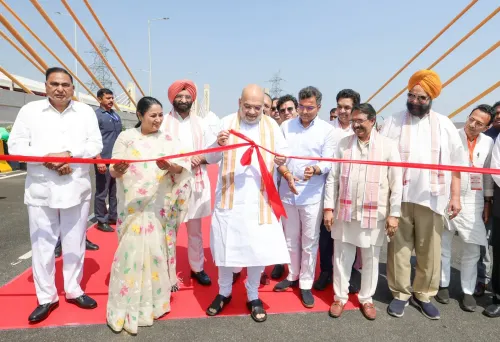
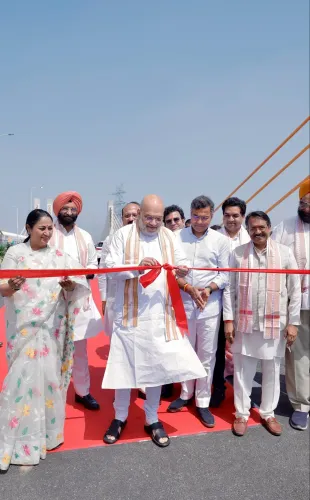
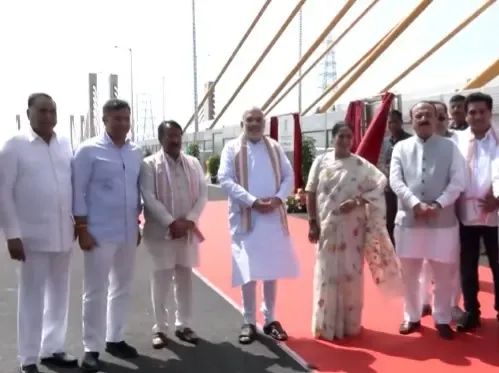
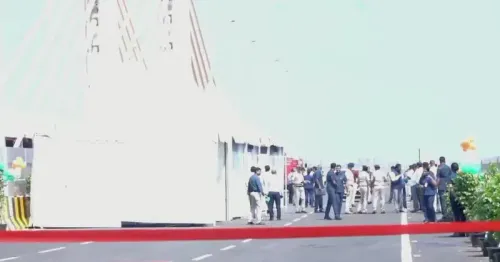
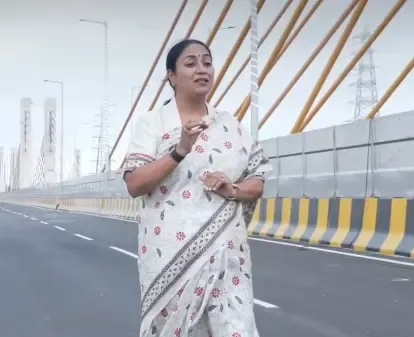
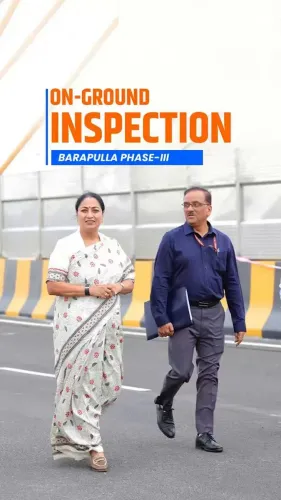
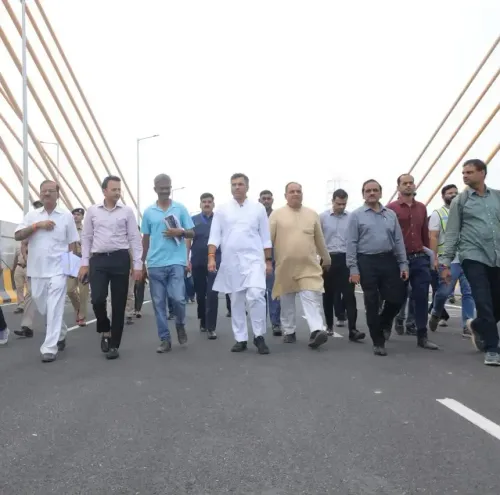
A corridor years in the making finally opened its lanes on Tuesday, 29 September 2026 — and for thousands of Delhiites grinding through signal after signal between Mayur Vihar Phase-I and AIIMS, the wait is over. Delhi Chief Minister Rekha Gupta dedicated the Barapullah Elevated Road Phase-III to the public, promising signal-free travel across one of the capital's most congested east-to-south stretches.
What Phase-III actually unlocks for daily commuters
The elevated corridor stitches together East Delhi's Mayur Vihar Phase-I with South Delhi's AIIMS — two poles of the city that have historically been separated by a maze of at-grade intersections, railway crossings, and peak-hour gridlock. The new stretch eliminates those chokepoints, cutting travel time on a route used daily by office workers, students, and patients heading to one of India's busiest public hospitals.
Earlier phases of the Barapullah Elevated Road were built to bridge the same east-south divide, making Phase-III the capstone of a long-running infrastructure arc. Each phase has progressively extended the signal-free spine deeper into the city's residential and institutional fabric.
The ₹1,941 crore connectivity push behind the inauguration
The Phase-III opening did not stand alone. Chief Minister Gupta announced that it forms part of a broader package of connectivity projects worth over ₹1,941 crore — a figure that signals the scale of the current administration's infrastructure ambition for the capital. The hashtags #SevaSankalpAbhiyan and #ViksitDelhi (Developed Delhi) framed the announcement within the BJP government's wider governance narrative of service delivery and urban modernisation.
Delhi has repeatedly turned to elevated roads and flyovers as its primary tool against surface-level congestion — a pattern visible from the earlier Barapullah phases to the city's network of signal-free corridors. A ₹1,941 crore package, if fully executed, would represent one of the larger single-tranche infrastructure commitments for intra-city road connectivity in recent Delhi budgets.
Why the AIIMS link matters beyond traffic
Connecting a dense residential zone like Mayur Vihar directly to AIIMS is not just a commuter story — it is a healthcare-access story. Patients and families travelling from East Delhi to one of the country's premier medical institutions now have a faster, more predictable route, reducing the toll that long, unpredictable commutes impose on people already under stress. That human dimension gives this infrastructure project a weight beyond lane-kilometres and crore figures.
The rollout of the remaining projects under the ₹1,941 crore package, and any traffic-impact data released by Delhi agencies in the months ahead, will be the real test of whether Phase-III delivers the relief it promises at scale.
One elevated road opened. Thousands of daily journeys changed. The pressure is now on the rest of the package to match the moment.
Point of View
SevaSankalpAbhiyan and ViksitDelhi — to counter the opposition's governance narrative ahead of future electoral cycles. The ₹1,941 crore figure is politically significant because it signals ambition at scale, but the administration's credibility will ultimately rest on delivery timelines for the remaining projects in that package. Linking a commuter corridor directly to AIIMS is a smart framing choice — it broadens the constituency of beneficiaries beyond office-goers to include patients and caregivers, groups that cut across class lines. Whether Phase-III triggers measurable decongestion on parallel surface roads will be the empirical test that either validates or complicates the political narrative.
NationPress
29 Sept 2026
Frequently Asked Questions
What is Barapullah Elevated Road Phase-III?
Barapullah Elevated Road Phase-III is a newly inaugurated elevated corridor in Delhi that provides signal-free connectivity from Mayur Vihar Phase-I in East Delhi to AIIMS in South Delhi, completing the latest stretch of a multi-phase infrastructure project.
Who inaugurated Barapullah Elevated Road Phase-III?
Delhi Chief Minister Rekha Gupta dedicated Barapullah Elevated Road Phase-III to the public on 29 September 2026.
How much does the Delhi connectivity package cost?
The connectivity projects announced alongside the Phase-III inauguration are worth over ₹1,941 crore, covering multiple infrastructure upgrades across Delhi.
How does Barapullah Phase-III help commuters travelling to AIIMS?
The elevated corridor eliminates at-grade intersections and signal stops on the East-to-South Delhi route, making journeys from Mayur Vihar Phase-I to AIIMS faster and more predictable — a benefit especially significant for patients and hospital visitors.
What were the earlier phases of the Barapullah Elevated Road?
Earlier phases of the Barapullah Elevated Road were developed under previous infrastructure plans to improve east-south Delhi linkages, with Phase-III now extending that signal-free spine to connect Mayur Vihar Phase-I with AIIMS.