CM Rekha Gupta: Rs 1,941 Cr Delhi infra projects launched
Synopsis
Delhi CM Rekha Gupta announced infrastructure projects worth over Rs 1,941 crore inaugurated by Union Home Minister Amit Shah, headlined by the long-awaited Barapullah Elevated Road Phase-3 linking Mayur Vihar to AIIMS signal-free, alongside three other road projects across the capital.
Key Takeaways
Union Home Minister Amit Shah inaugurated and laid foundation stones for Delhi infrastructure projects worth over ₹1,941 crore on 29 September 2026 .
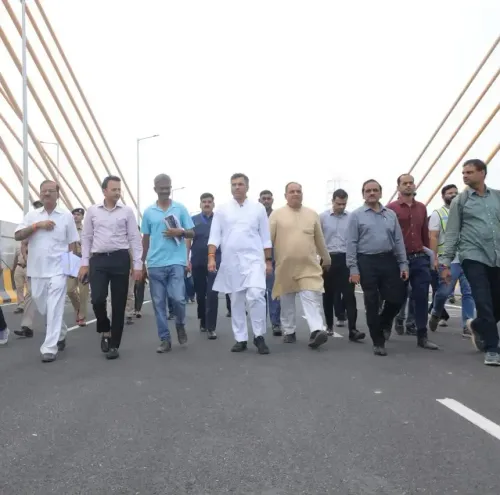
The Barapullah Elevated Road Phase-3 — long pending — now connects Mayur Vihar Phase-1 to AIIMS with a signal-free corridor.
Three additional projects — Mukarba Chowk Underpass , Modi Mill–Savitri Cinema Flyover , and Loni Underpass — are part of the same package.
CM Rekha Gupta framed the launches under the #ViksitDelhi and #SevaSankalpAbhiyan banners, aligning with the national 'Viksit Bharat 2047' goal.
The BJP-led Delhi government positions central funding via the Home Ministry as a 'double-engine government' dividend for city commuters.
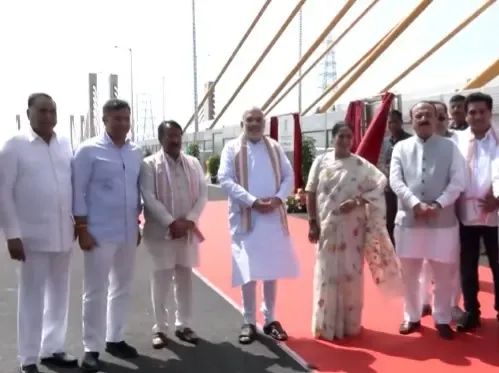
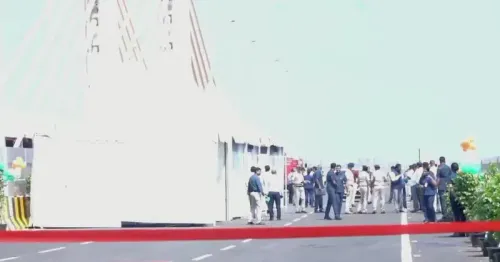
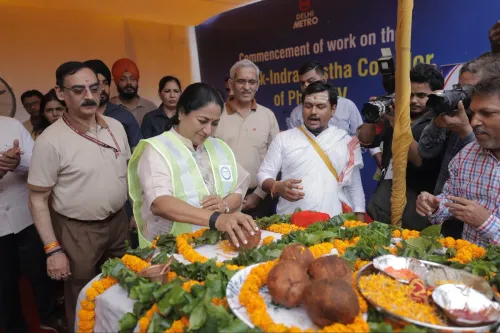
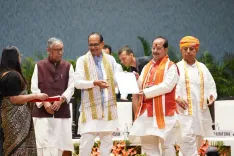
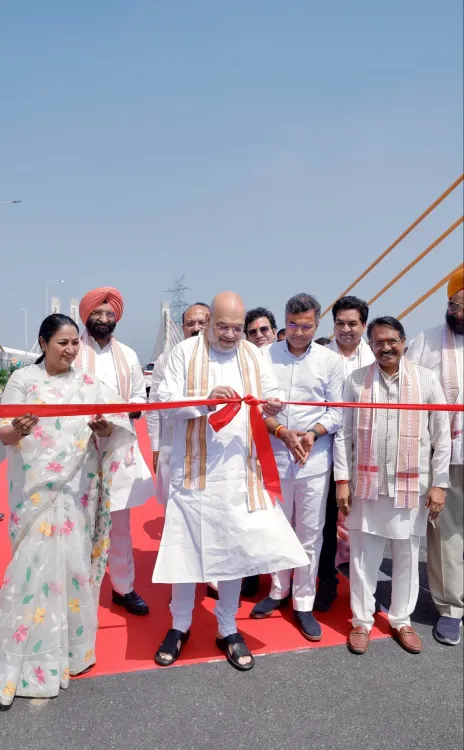
A stretch of elevated road that commuters have waited years for finally opened on Tuesday, 29 September 2026 — and Delhi Chief Minister Rekha Gupta says it is only the beginning. Union Home Minister Amit Shah, guided by Prime Minister Narendra Modi, inaugurated and laid the foundation stones for infrastructure projects worth over ₹1,941 crore across the national capital, with the long-pending Barapullah Elevated Road Phase-3 as the centrepiece.
Barapullah Phase-3: signal-free from Mayur Vihar to AIIMS
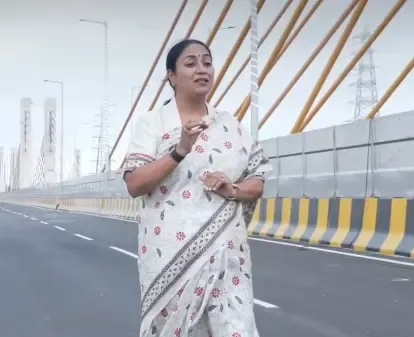
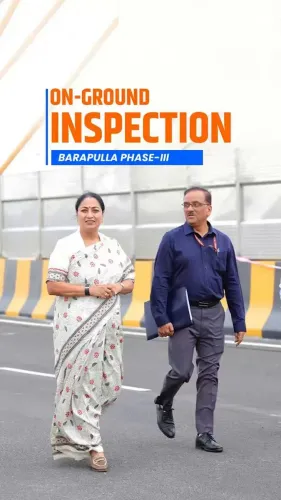
The headline project is the Barapullah Elevated Road Phase-3, a corridor that finally stitches together Mayur Vihar Phase-1 in east Delhi with AIIMS in the south — entirely signal-free. For the millions of commuters, patients, and students who grind through this route daily, that is not a small upgrade. It is a fundamentally different journey.
CM Gupta described the opening in her post as a new chapter — 'dilli ke vikas ki yatra mein ek aur mahatvapurna adhyay' (another important chapter in Delhi's development journey). The elevated corridor, part of a multi-phase transport master plan that dates to the early 2000s, had been delayed across successive governments. Its completion now removes one of east Delhi's most stubborn bottlenecks.
Mukarba Chowk, Modi Mill flyover, and Loni underpass round out the package
Three additional projects flesh out the ₹1,941-crore bundle. The Mukarba Chowk Underpass targets chronic congestion on the northern corridor linking outer Delhi to the ring road network. The Modi Mill–Savitri Cinema Flyover addresses a pressure point in south Delhi's dense arterial grid. And the Loni Underpass eases movement on the city's northeastern fringe, where Delhi bleeds into the NCR.
Together, the four projects represent a concerted bet on grade-separated infrastructure — elevated roads and underpasses that physically separate through-traffic from local movement — as the primary tool for cutting congestion in a city of over 20 million people.
'Viksit Delhi' and the BJP's urban infrastructure push
The political framing is deliberate. CM Gupta anchored the announcement to the #ViksitDelhi and #SevaSankalpAbhiyan hashtags, tying Delhi's road network directly to the national 'Viksit Bharat by 2047' narrative. The BJP, which returned to power in Delhi earlier in 2026 after a decade in opposition at the state level, has made urban infrastructure a signature deliverable — positioning central funding routed through the Home Ministry as proof of a 'double-engine government' dividend.
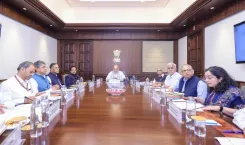
Senior ministers and legislators present at the event included BJP Delhi unit chief and Union Minister of State Harsh Malhotra, cabinet colleagues Pravesh Sahib Singh, Ashish Sood, Manjinder Singh Sirsa, Ravinder Indraj Singh, and Kapil Mishra, along with Dr Pankaj Kumar Singh and MLAs Tarvinder Singh Marwah and Ravinder Singh Negi.
The real test, of course, will come in the weeks after the ribbon-cutting — whether travel times actually fall on the Mayur Vihar–AIIMS stretch, and whether the underpasses deliver relief at Mukarba Chowk and Loni. Delhi's commuters have seen grand promises before. This time, the concrete is already in place.
Point of View
Visible infrastructure win in a city where the party spent a decade out of state power. By routing the event through Union Home Minister Amit Shah — rather than a purely state-level ceremony — the BJP reinforces its 'double-engine government' argument ahead of future electoral cycles. The 'Viksit Delhi' branding also consciously mirrors the Centre's 'Viksit Bharat 2047' framework, attempting to make urban road infrastructure a thread in a larger national narrative. Whether the projects translate into measurable commute-time reductions will determine how durable that political dividend proves.
NationPress
29 Sept 2026
Frequently Asked Questions
What is the Barapullah Elevated Road Phase-3?
The Barapullah Elevated Road Phase-3 is a signal-free elevated corridor in Delhi connecting Mayur Vihar Phase-1 in east Delhi to AIIMS in south Delhi, inaugurated in September 2026 as part of a multi-phase urban transport project.
Who inaugurated the Delhi infrastructure projects worth Rs 1,941 crore?
Union Home Minister Amit Shah performed the inaugurations and foundation-stone laying ceremonies, under the guidance of Prime Minister Narendra Modi, with Delhi CM Rekha Gupta present.
What other projects were launched alongside Barapullah Phase-3?
Three other projects were included: the Mukarba Chowk Underpass, the Modi Mill–Savitri Cinema Flyover, and the Loni Underpass, all aimed at improving connectivity across different parts of Delhi.
What is 'Viksit Delhi' and how does it connect to these projects?
'Viksit Delhi' is the BJP-led Delhi government's urban development framework, aligned with the Centre's 'Viksit Bharat 2047' goal. The infrastructure launches were branded under this initiative to signal a long-term commitment to the capital's development.
How will Barapullah Phase-3 benefit commuters?
The corridor eliminates traffic signals on the Mayur Vihar Phase-1 to AIIMS route, reducing travel time and easing congestion for millions of daily commuters, patients, and students using this east-to-south Delhi stretch.