Barapullah Phase-III inauguration on Sep 29: Amit Shah to open Delhi's signal-free corridor

Synopsis
After nearly a decade of delays, Delhi’s Barapullah Elevated Road Phase-III is finally ready — and Union Home Minister Amit Shah will inaugurate the ₹1,635 crore, 3.5-km signal-free corridor on 29 September. For lakhs of commuters travelling between East Delhi and AIIMS, a 40-minute peak-hour slog could shrink to 15 minutes almost overnight.
Key Takeaways
Delhi CM Rekha Gupta confirmed on 26 September 2026 that Barapullah Elevated Road Phase-III is ready for public use.
Union Home Minister Amit Shah will inaugurate the corridor on 29 September 2026 .
The 3.5-km four-lane elevated corridor connects Mayur Vihar Phase-I to Sarai Kale Khan , with onward signal-free access to AIIMS .
Peak-hour travel time is projected to fall from 35–40 minutes to approximately 15 minutes .
The project was approved in 2014 , began construction in 2015 , and was originally due by 2017 — completing nearly a decade late at a revised cost of ₹1,635 crore .
The corridor includes a cycle track across the Yamuna floodplain and dedicated pedestrian infrastructure.
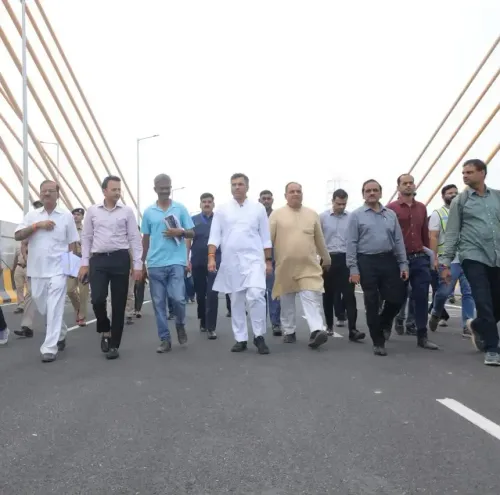
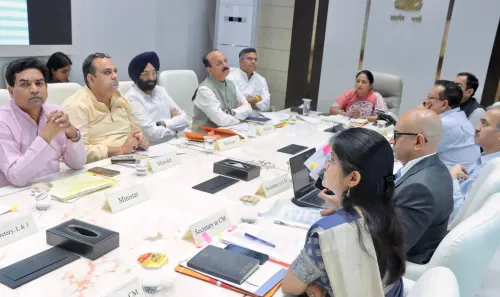
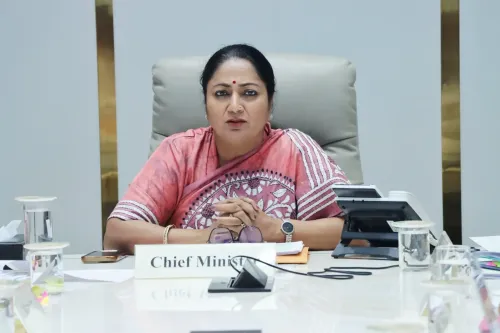
Delhi Chief Minister Rekha Gupta on Saturday, 26 September 2026, confirmed that the Barapullah Elevated Road Phase-III corridor is ready for public use and will be formally inaugurated by Union Home and Cooperation Minister Amit Shah on 29 September. The 3.5-km elevated four-lane corridor will provide signal-free connectivity between Mayur Vihar Phase-I in East Delhi and Sarai Kale Khan, integrating with the existing Barapullah network towards Central and South Delhi, including AIIMS.
What Rekha Gupta Said After the Inspection
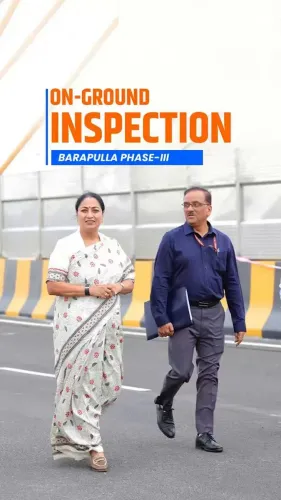
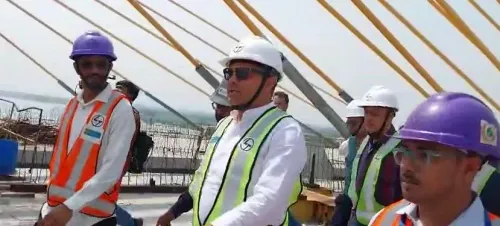
Gupta shared her observations on social media platform X after personally inspecting the entire corridor ahead of its inauguration. “Barapulla Elevated Road Phase-III is now ready to serve the people of Delhi. Inspected the entire corridor today ahead of its inauguration by Hon’ble Union & Cooperation Minister Shri @AmitShah Ji on 29th September,” she wrote.
She also attributed the infrastructure momentum to the Centre, noting: “Under the leadership of Hon’ble Prime Minister Shri @narendramodi Ji, Delhi’s Infrastructure Development is gaining new momentum. Such landmark projects are giving a new direction to Delhi’s connectivity and growth.”
How the Corridor Will Ease Delhi's Traffic
The project is designed to dramatically cut travel time for commuters moving between East Delhi and Noida towards AIIMS and other parts of South Delhi. A journey that currently takes approximately 35–40 minutes during peak hours is expected to drop to around 15 minutes once the signal-free route becomes operational — a reduction of over 60 per cent.
The corridor is also expected to ease pressure at congestion hotspots including Sarai Kale Khan, Ring Road, the DND Flyway, and NH-24. Notably, the project incorporates dedicated infrastructure for pedestrians and cyclists, including a cycle track across the Yamuna floodplain.
Project Cost and a Decade-Long Delay
The Barapullah Phase-III project was approved in 2014 and construction began in 2015, with an original completion target of 2017. Multiple delays — attributed to land acquisition challenges, shifting project scopes, and coordination issues across agencies — pushed the timeline by nearly a decade. The project was finally completed at a revised estimated cost of approximately ₹1,635 crore.
This is not an isolated case: large urban infrastructure projects in Delhi have historically faced cost overruns and timeline extensions, making the Barapullah Phase-III outcome consistent with a broader pattern of delayed but eventually delivered public works in the capital.
What Comes Next
With the inauguration scheduled for 29 September, commuters, transport planners, and civic bodies will be watching whether the projected travel-time savings translate into measurable decongestion at the corridor’s key entry and exit points. Integration with existing Barapullah phases and downstream impact on the DND and Ring Road stretches will be key indicators of real-world effectiveness in the weeks following the opening.
Point of View
Placing both Amit Shah and the BJP-led Delhi government at the centre of a visible infrastructure win in the capital. Yet the project’s decade-long delay — approved in 2014, due in 2017, delivered in 2026 — is a cautionary footnote that mainstream coverage is glossing over. The ₹1,635 crore revised cost against an original estimate deserves scrutiny that the inauguration optics tend to crowd out. The real test will come 60–90 days post-opening: whether the projected 60-per-cent travel-time reduction holds under real-world traffic loads, or whether bottlenecks simply migrate downstream to the Ring Road and DND Flyway.
NationPress
27 Sept 2026
Frequently Asked Questions
When will the Barapullah Phase-III corridor be inaugurated?
The Barapullah Elevated Road Phase-III corridor will be inaugurated on 29 September 2026 by Union Home and Cooperation Minister Amit Shah. Delhi CM Rekha Gupta confirmed the date after personally inspecting the corridor on 26 September.
What does the Barapullah Phase-III corridor connect?
The 3.5-km elevated four-lane corridor connects Mayur Vihar Phase-I in East Delhi to Sarai Kale Khan, integrating with the existing Barapullah network to provide signal-free access towards Central and South Delhi, including AIIMS.
How much has the Barapullah Phase-III project cost?
The project has been completed at a revised estimated cost of approximately ₹1,635 crore. It was first approved in 2014 with construction starting in 2015, originally targeted for completion in 2017 before multiple delays pushed it to 2026.
How much travel time will the corridor save for commuters?
The corridor is expected to reduce the journey between East Delhi and AIIMS from roughly 35–40 minutes during peak hours to around 15 minutes, a reduction of more than 60 per cent via the signal-free route.
What other infrastructure features does the corridor include?
Beyond the four-lane elevated road, the corridor includes dedicated pedestrian infrastructure and a cycle track across the Yamuna floodplain. It is also expected to ease congestion at Sarai Kale Khan, Ring Road, the DND Flyway, and NH-24.