Cheranalloor hit-and-run: Pinarayi Vijayan slams Kerala police for two-tier justice
Synopsis
A street food vendor killed in the small hours by a judge's son's Mercedes, a diluted FIR, a quick bail — and now Kerala's opposition leader invoking the victim's daughter's raw question on the Assembly floor: is there one law for the rich and another for the rest? The Cheranalloor case has put both the Kerala Police and the government's credibility on the line.
Key Takeaways
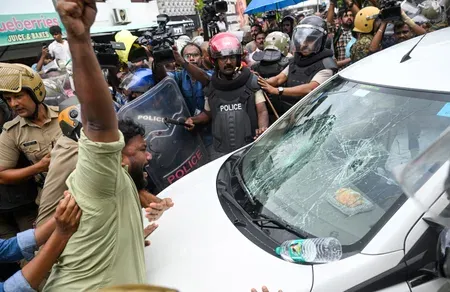
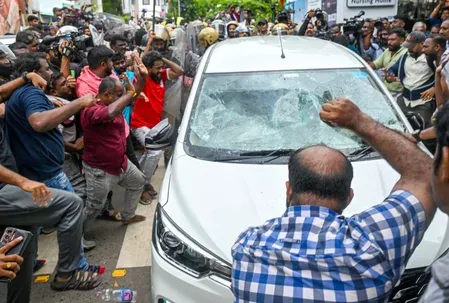
Jayabalakrishnan, 55 , a street food vendor, was killed at around 2.30 am on Sunday in a hit-and-run at Cheranalloor ; the car was a Mercedes-Benz driven by a minor , the son of a judge.
Police initially filed less serious charges and the accused secured bail, triggering allegations of preferential treatment.
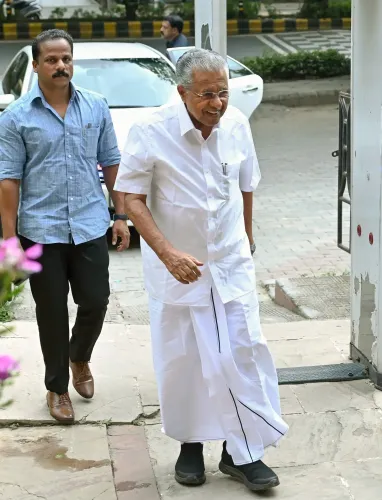
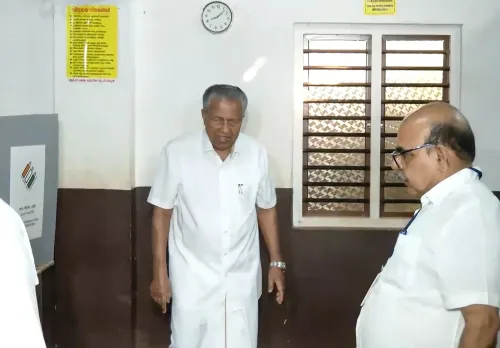
Opposition leader Pinarayi Vijayan raised the case in the Kerala Assembly on Tuesday , accusing police of applying two standards of justice.
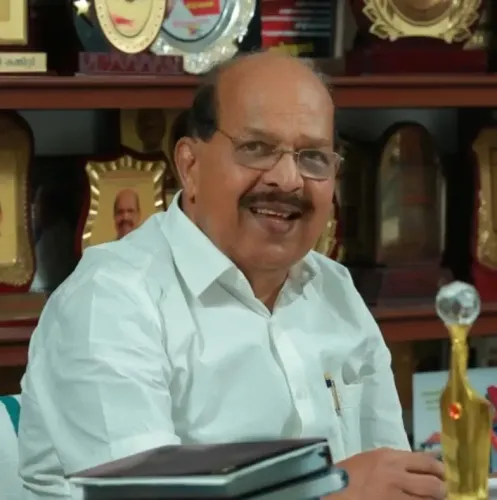
Home Minister Ramesh Chennithala acknowledged police lapses, said he personally reprimanded the Director General of Police , and confirmed action against officers who allegedly deleted mobile evidence.
The government has petitioned a higher court for bail cancellation and formally notified the High Court Registrar about the accused's father's judicial position.
The case echoes an earlier controversy over the Nedumbassery accident , raising questions about a systemic pattern in policing.
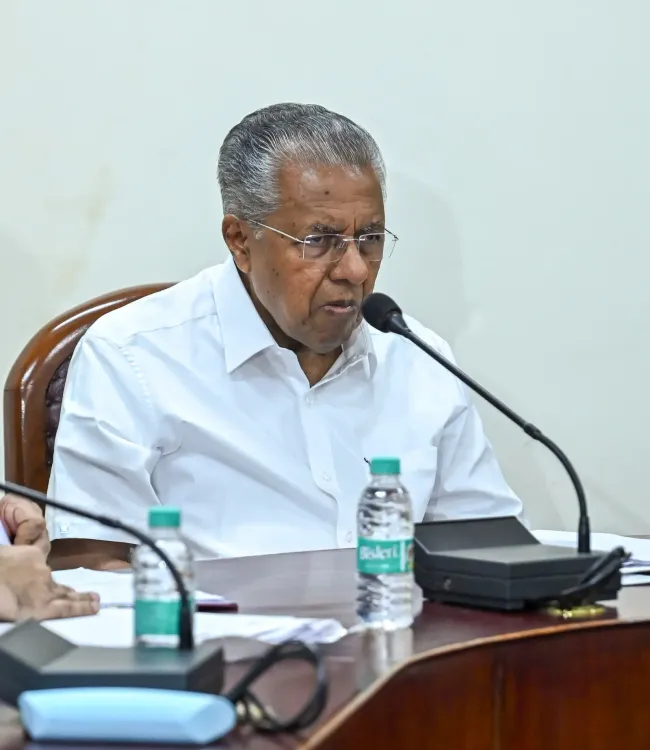
Opposition leader Pinarayi Vijayan on Tuesday, 27 October accused the Kerala Police of operating on a dual standard — one for the wealthy and influential, another for the poor — using the death of street food vendor Jayabalakrishnan in a Cheranalloor hit-and-run as his central charge. The case has triggered a sharp debate in the Kerala Legislative Assembly over accountability, policing lapses, and unequal access to justice.
How the Cheranalloor Incident Unfolded
Jayabalakrishnan, 55, a street food vendor, was killed around 2.30 am on Sunday when a Mercedes-Benz car struck him at Cheranalloor. The vehicle was driven by a minor, the son of a sitting judge. In the immediate aftermath, police reportedly filed less serious charges, and the accused was granted bail — a sequence that drew immediate allegations of preferential treatment and procedural failure.
Vijayan's Charges on the Assembly Floor
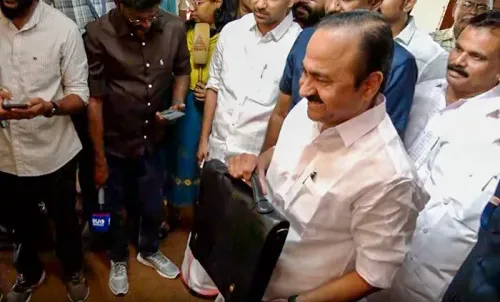
Raising the matter in the Assembly, Vijayan argued that the police had failed to change their conduct despite Home Minister Ramesh Chennithala having taken a strong public stance after an earlier accident at Nedumbassery. He said the officers were 'not even accepting the words and position taken by the Home Minister.'
Vijayan drew particular attention to a remark made by Jayabalakrishnan's daughter, who publicly questioned whether the law treats the rich and ordinary people differently. 'That child had to ask whether there is one standard of justice for the rich and another for people like them. This happened even before the funeral pyre had cooled,' Vijayan told the Assembly, calling the situation 'both sad and humiliating.'
He warned that strong ministerial statements alone would be insufficient if the police continued to act in the same manner, and said the incident had further weakened public confidence in the force.
What the Home Minister Said
Home Minister Ramesh Chennithala acknowledged serious police lapses in the Assembly. He said he had personally reprimanded the Director General of Police after learning that the FIR had initially omitted the charge of culpable homicide — the appropriate provision given the circumstances. Chennithala stated that action had been ordered against all officers responsible for the lapses, including those allegedly involved in deleting material from a mobile phone and those who failed to add the correct legal provisions to the FIR.
The minister also confirmed that the government had moved a higher court seeking cancellation of the accused's bail, and that legal proceedings had been initiated against the vehicle's owner — the accused's father, a judge — with the High Court Registrar formally notified. 'Nobody is above the law, regardless of family background or influence,' Chennithala said.
The Broader Context: A Pattern of Scrutiny
This is not the first time Kerala's police have faced allegations of differential treatment in high-profile traffic cases. The earlier Nedumbassery accident, which prompted Chennithala to issue a public warning to the force, forms a backdrop that makes the Cheranalloor lapses harder for the government to defend. Critics argue the recurrence suggests a systemic problem rather than isolated officer misconduct.
For Jayabalakrishnan's family, the stakes go beyond legal remedy — the central question, as Vijayan framed it, is whether the state will treat the loss of a daily-wage earner with the same institutional seriousness it would reserve for a case involving the powerful.
What Comes Next
With the government having committed to departmental action against errant officers, a court petition for bail cancellation filed, and the High Court Registrar alerted about the accused's father's judicial position, the next few weeks will determine whether the promised accountability translates into concrete outcomes. Vijayan's intervention has ensured the case remains under sustained legislative pressure.
Point of View
Swift bail, a powerful family background — a sequence Kerala has seen before. Chennithala's public acknowledgement of error is unusually candid for a sitting Home Minister, but candour alone does not restore institutional credibility. The real test is whether the officers who allegedly deleted mobile evidence face verifiable consequences, or whether the case quietly fades after the Assembly session ends. Vijayan's deployment of the victim's daughter's grief as a political and moral argument is effective, but it also places the burden of proof squarely on the government to deliver outcomes — not just promises.
NationPress
27 Oct 2026
Frequently Asked Questions
What happened in the Cheranalloor hit-and-run case?
Street food vendor Jayabalakrishnan, 55, was killed around 2.30 am on Sunday at Cheranalloor, Kerala, when a Mercedes-Benz driven by a minor — the son of a judge — struck him. The case drew controversy when police initially filed less serious charges and the accused was granted bail.
Why did Pinarayi Vijayan raise the Cheranalloor case in the Assembly?
Opposition leader Pinarayi Vijayan raised the case to accuse the Kerala Police of applying a dual standard of justice — lighter treatment for those with money and influence, harsher for ordinary citizens. He cited the victim's daughter's public question about unequal justice as emblematic of the lapse.
What police lapses have been identified in the Cheranalloor case?
Home Minister Ramesh Chennithala told the Assembly that the FIR initially omitted the charge of culpable homicide, officers allegedly deleted material from a mobile phone, and bail was granted before proper charges were framed. Chennithala said he personally reprimanded the Director General of Police.
What action has the Kerala government taken so far?
The government has ordered departmental action against responsible officers, filed a petition in a higher court seeking cancellation of the accused's bail, and formally notified the High Court Registrar about the judicial position of the accused's father, who is the vehicle's owner.
What is the significance of the Nedumbassery connection?
Home Minister Chennithala had previously taken a strong public stand following an earlier accident at Nedumbassery, issuing a warning to the police. Vijayan's argument is that the Cheranalloor lapses occurred despite that warning, suggesting the problem is systemic rather than isolated.