Is Chhari Dhand in Kutch Now Gujarat’s Fifth Ramsar Wetland?
Synopsis
Chhari Dhand, a vital wetland in Kutch, Gujarat, gains international recognition as the state’s fifth Ramsar site. This milestone underscores Gujarat's commitment to environmental conservation and biodiversity protection, promising enhanced eco-tourism and local development.
Key Takeaways
Chhari Dhand is now Gujarat's fifth Ramsar Wetland.
The site spans approximately 227 square kilometers and supports over 250 bird species.
It provides critical habitats for both migratory and resident wildlife.
The Ramsar designation aids in securing long-term protection and funding for conservation efforts.
This recognition enhances eco-tourism opportunities for local communities.
New Delhi/Gandhinagar, Jan 31 (NationPress) Gujarat’s Chhari Dhand in Kutch has officially received the recognition of a Ramsar Wetland of International Importance, becoming the fifth Ramsar site in the state and the first within Kutch.
The announcement was made by Union Environment Minister Bhupender Yadav on Saturday, just ahead of World Wetlands Day on February 2, bringing the total number of Ramsar sites in India to 98.
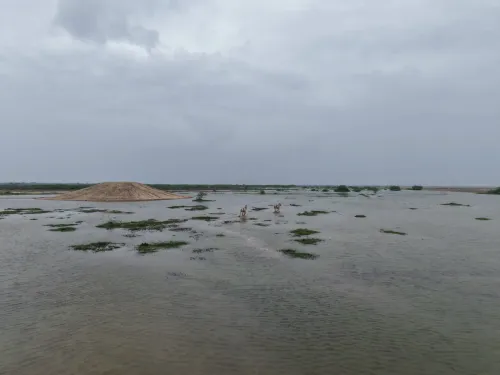
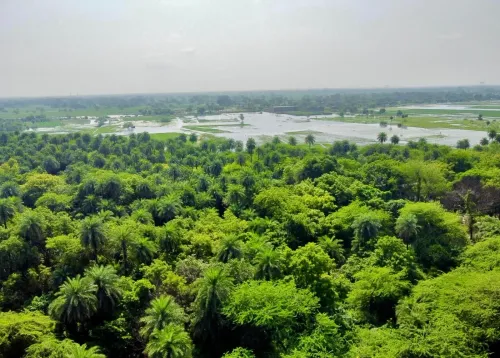
Chhari Dhand, situated at the boundary of the Banni grasslands, spans around 227 square kilometers (22,700 hectares) and is positioned between desert and grassland ecosystems.
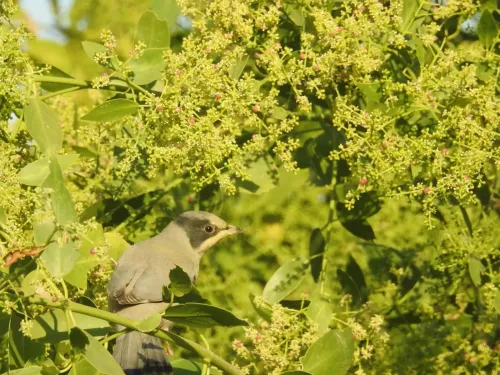
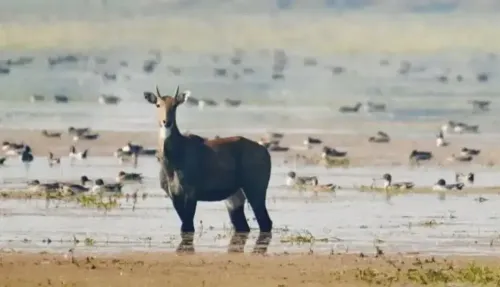
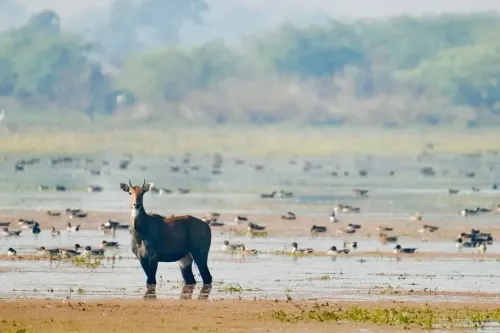
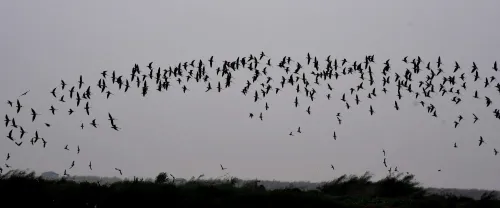
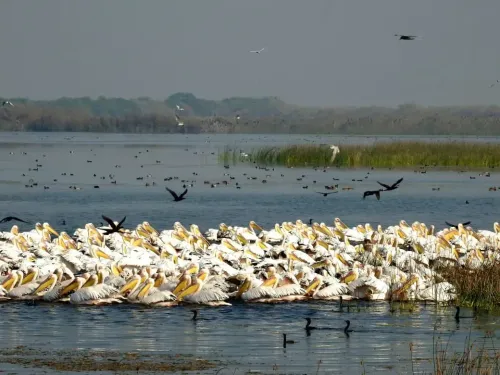
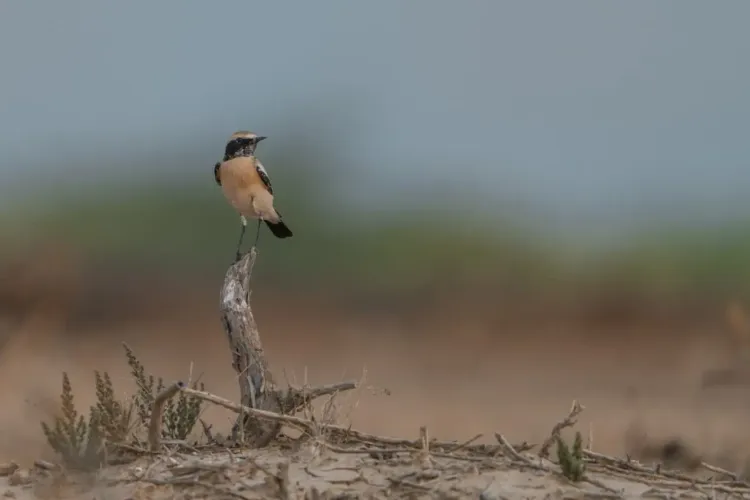
Established as Gujarat’s first Conservation Reserve in 2008, this wetland is home to more than 250 bird species. Each winter, it attracts between 25,000 to 40,000 migratory birds from regions like Siberia, Central Asia, and Europe, including the Common Crane, Greater and Lesser Flamingo, Siberian Teal, Dalmatian Pelican, Oriental Darter, and Black-necked Stork.
Additionally, Chhari Dhand provides habitat to rare mammals such as chinkara, desert foxes, caracals, desert cats, and wolves, establishing it as a vital area for biodiversity in Kutch.
State Forest and Environment Minister Arjun Modhwadia noted, “The designation of Chhari Dhand as a Ramsar Site will usher in transformative changes in environmental conservation, biodiversity protection, local development, tourism, and international recognition. Gujarat consistently leads in wetland conservation, comprising over 21 percent of India’s total wetland area, the highest among all states, with approximately 3.5 million hectares across eight national wetlands and numerous protected areas.”
Chief Minister Bhupendra Patel remarked, “This is fantastic news for Gujarat’s biodiversity. The recognition of Chhari Dhand Bird Sanctuary as a Ramsar Site signifies our commitment to wetland conservation. Following the guidance of Prime Minister Narendra Modi, we are ensuring development aligns with nature, fostering a world-class ecosystem for our avian visitors.”
The Ramsar designation is anticipated to ensure lasting protection for Chhari Dhand, offer a secure habitat for migratory and resident birds, and boost eco-tourism, thus generating new employment and income opportunities for local communities.
Moreover, it paves the way for international technical and financial support to enhance conservation initiatives.
State officials, including Chief Wildlife Warden Dr. Jaypal Singh, the Gir Foundation, and teams from the Kutch Forest Division, were instrumental in obtaining Ramsar recognition through thorough research, monitoring, and biodiversity documentation.
This recognition means Gujarat now has Ramsar wetlands that include Nalsarovar, Thol, Khijadiya, Wadhvana, and Chhari Dhand.
Additionally, the state is home to 19 wetlands recognized as significant bird and biodiversity areas, underscoring its pivotal role as a destination for both migratory and resident birds and its leadership in national and international environmental conservation.
Point of View
I observe that the designation of Chhari Dhand as a Ramsar site is a landmark development for Gujarat's commitment to environmental sustainability. This recognition not only enhances the region's biodiversity but also aligns with national goals for conservation and eco-tourism, fostering a harmonious balance between development and nature, which is crucial for future generations.
NationPress
30 Sept 2026
Frequently Asked Questions
What is a Ramsar Wetland?
A Ramsar Wetland is a wetland designated under the Ramsar Convention, an international treaty aimed at conserving wetlands and ensuring their sustainable use.
How many Ramsar sites are there in India?
India currently has 98 Ramsar sites recognized for their ecological significance and biodiversity.
What species can be found in Chhari Dhand?
Chhari Dhand is home to over 250 bird species, including migratory birds like the Common Crane and Lesser Flamingo, as well as various rare mammals.
What are the benefits of Ramsar designation?
Ramsar designation brings international recognition, funding for conservation, and promotes eco-tourism, benefiting local communities.
What is the importance of wetland conservation?
Wetland conservation is crucial for maintaining biodiversity, regulating water quality, and supporting wildlife habitats.