How Did Wetlands in UP and Gujarat Gain International Recognition for Conservation?
Synopsis
In a significant move ahead of World Wetlands Day, two wetlands in Uttar Pradesh and Gujarat have been added to India’s Ramsar network, highlighting the country’s commitment to biodiversity and ecosystem preservation. This recognition marks a milestone in wetland conservation efforts.
Key Takeaways
Two new wetlands in India recognized as Ramsar sites.
Patna Bird Sanctuary and Chhari-Dhand provide critical habitats for wildlife.
India's Ramsar network has expanded significantly under current leadership.
This recognition demonstrates India's commitment to environmental conservation.
World Wetlands Day is a crucial moment for raising awareness about wetland importance.
New Delhi, Jan 31 (NationPress) The Union Minister for Environment, Forest and Climate Change, Bhupender Yadav, has revealed that two new wetlands, one located in Uttar Pradesh and the other in Gujarat, are now part of India’s prestigious Ramsar network, just in time for World Wetlands Day on February 2, according to an official announcement made on Saturday.
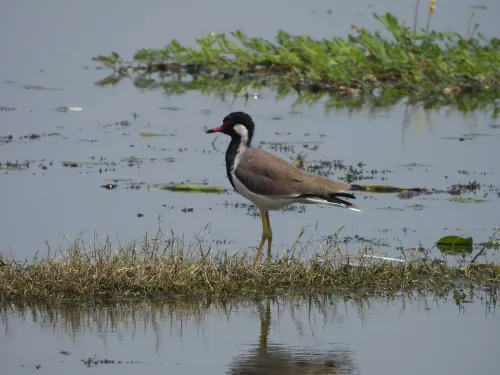
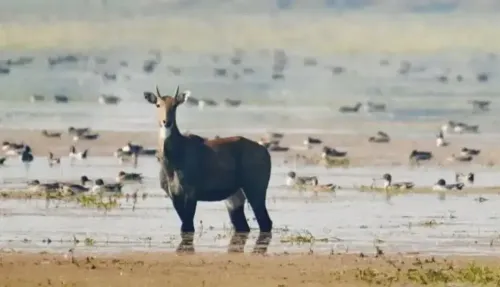
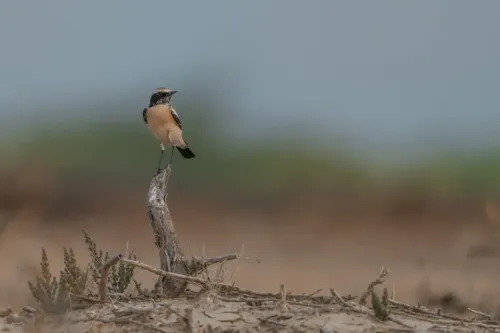
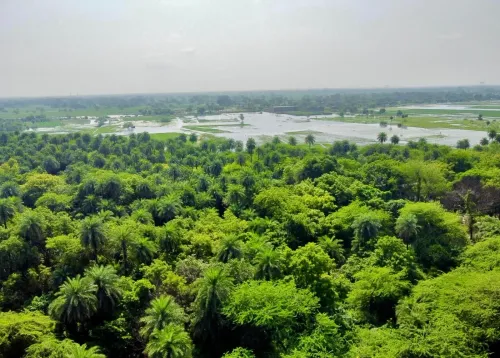
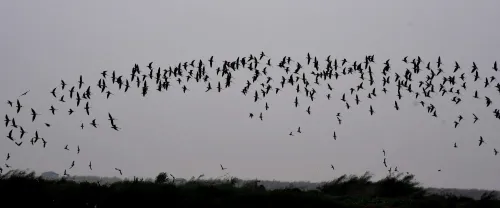
The Minister shared that the newly acknowledged Patna Bird Sanctuary in the Etah district of Uttar Pradesh and Chhari-Dhand in the Kutch district of Gujarat serve as crucial habitats for numerous migratory and resident bird species.
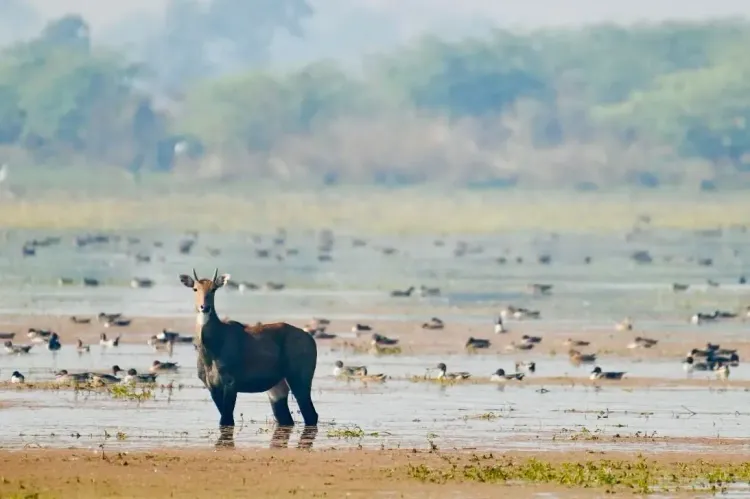
Additionally, these regions are home to various wildlife, including chinkara, wolves, caracals, desert cats, and desert foxes, as well as several endangered bird species, he stated.
India has been a participant in the 'Convention on Wetlands', known as the Ramsar Convention, since it was signed in Ramsar, Iran, in 1971, becoming a signatory on February 1, 1982, as per a statement from the Environment Ministry.
This Convention is an intergovernmental treaty focused on conserving and ensuring the wisely managed use of wetlands through cooperation at local, national, and international levels.
Prime Minister Narendra Modi expressed his joy over the recognition of these two wetlands. He stated, “I am thrilled that the Patna Bird Sanctuary in Etah (Uttar Pradesh) and Chhari-Dhand in Kutch (Gujarat) are now Ramsar sites. Congratulations to the local communities and all those dedicated to wetland conservation. This recognition underscores our commitment to safeguarding biodiversity and protecting essential ecosystems. May these wetlands continue to flourish as safe havens for myriad migratory and native species,” he shared on social media.
Yadav noted in a social media post, “With World Wetlands Day approaching, I am excited to announce the addition of two new sites to India’s expanding Ramsar network. The Patna Bird Sanctuary in Etah, Uttar Pradesh, and Chhari-Dhand in Kutch, Gujarat, are the latest to join the prestigious Ramsar Sites list. This international acknowledgment reflects India’s deep commitment to safeguarding our environment and conserving our invaluable wetlands.”
He emphasized that under the leadership of Prime Minister Narendra Modi, India’s Ramsar network has grown significantly, expanding by over 276 percent from 26 sites in 2014 to 98 sites today. He asserted that this international recognition is a testament to India’s commitment to environmental protection and wetland conservation.
Wetlands of conservation significance can be designated as Wetlands of International Importance. These sites hold substantial value as they can exemplify the nation’s dedication to conservation and management within internationally accepted frameworks, the statement concluded.
Point of View
The recognition of these wetlands as Ramsar sites reflects a significant stride in India's conservation efforts. It emphasizes the government's commitment to preserving biodiversity and protecting vital ecosystems, which is essential for sustainable development and environmental health.
NationPress
20 Oct 2026
Frequently Asked Questions
What are Ramsar sites?
Ramsar sites are wetlands designated under the Ramsar Convention as being of international importance for their ecological significance, providing habitat for diverse wildlife.
Why is the recognition of Patna Bird Sanctuary and Chhari-Dhand important?
This recognition highlights India's commitment to conserving biodiversity and protecting essential ecosystems, ensuring these areas receive the necessary attention and resources for their preservation.
How many Ramsar sites are there in India now?
With the addition of these two wetlands, India now has a total of 98 Ramsar sites.
What is World Wetlands Day?
World Wetlands Day, celebrated on February 2, aims to raise awareness about the importance of wetlands and promote their sustainable management.
What wildlife can be found in these newly recognized wetlands?
The wetlands are home to numerous migratory and resident bird species, as well as wildlife such as chinkara, wolves, caracals, desert cats, and desert foxes.