How is World Wetlands Day Related to Flood Management?

Synopsis
On World Wetlands Day, DDA's Vice Chairman N. Saravana Kumar sheds light on the crucial link between land management and flood prevention. With over 350 attendees, the event highlighted the significance of wetlands in urban planning and traditional practices.
Key Takeaways
Land management is essential for flood prevention.
The DDA is actively involved in wetland conservation .
Biodiversity Parks enhance urban living conditions.
Traditional knowledge plays a key role in environmental sustainability .
Public engagement is crucial for conservation efforts .
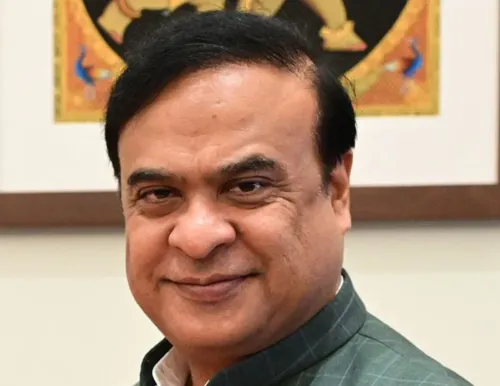
New Delhi, Feb 3 (NationPress) The Vice Chairman of the Delhi Development Authority (DDA), N. Saravana Kumar, has underscored the critical role of land management and urban governance in safeguarding cities against natural calamities such as floods.
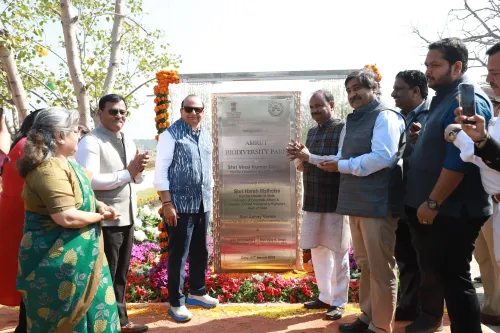
At an event held at the DDA's Yamuna Biodiversity Park (YBP) to commemorate World Wetlands Day on Monday, Saravana Kumar pointed out the DDA's initiatives in clearing encroachments from the Yamuna floodplains and the establishment of Baansera and Asita Parks.
The gathering, which took place at YBP's amphitheatre adjacent to the restored wetland, resonated with the global theme of “Wetlands and Traditional Knowledge: Celebrating Cultural Heritage”.
Saravana Kumar emphasized that the conservation of wetlands is deeply embedded in traditional practices, indicating that it is not merely a contemporary issue.
He also mentioned that approximately 15 percent of Delhi's land area consists of DDA parks, which are open to the public, and that the seven Biodiversity Parks created by the DDA, in partnership with the Centre for Environmental Management of Degraded Ecosystems (CEMDE) at Delhi University, are significantly improving the quality of life for residents.
C.R. Babu, Director of CEMDE, stated that all rivers stem from wetlands—be it glaciers, lakes, or ponds—and highlighted that the planet's survival hinges on the restoration and conservation of these vital ecosystems.
He further noted that over 87 percent of the world’s wetlands have disappeared, with many remaining wetlands being severely degraded and non-functional.
Shashank Shekhar from the Department of Geology at Delhi University discussed the essential functions of wetlands in regulating river flow.
He pointed out that Biodiversity Parks established on floodplains play a crucial role in nutrient cycling, mitigating pollution, and shielding rivers from nutrient overloading.
Yamini Gupt from the Department of Business Economics at Delhi University shared findings on the economic value of wetlands, which are estimated to be worth $26.4 trillion, surpassing the GDP of numerous nations.
The event wrapped up with an awards ceremony for a photography competition held in collaboration with Delhi University’s Rajdhani College.
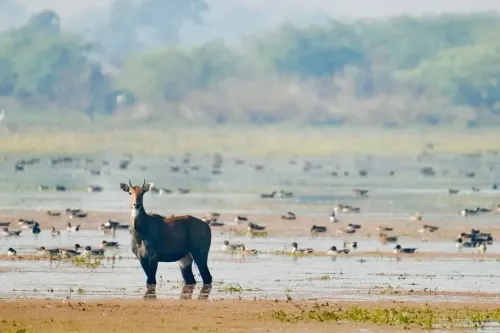
Participants also enjoyed a guided nature trail, exploring YBP’s wetlands and observing migratory bird species including Northern Shoveler, Northern Pintail, Great Cormorant, Gadwall, and Teal.
More than 350 individuals took part in the program, which included students from various Delhi University colleges—SPM College, Keshav Mahavidyalaya, School of Business Economics, Zakir Hussain College, Shyama Prasad Mukherjee College, IP College for Women, Delhi Skill and Entrepreneurship University, Satyavati College, MV College of Education, Mata Sundri College, and Shivaji College—alongside researchers, UPSC candidates, academics, journalists, nature lovers, local communities, and DDA officials.
Point of View
It’s evident that the DDA's efforts towards wetlands conservation highlight a broader environmental narrative. The intersection of traditional knowledge and modern urban planning is crucial for sustainable development. This event not only raises awareness but also fosters community engagement, which is essential in addressing environmental challenges.
NationPress
28 Sept 2026
Frequently Asked Questions
What is World Wetlands Day?
World Wetlands Day is celebrated on February 2nd to raise global awareness about the importance of wetlands for people and the planet.
Why are wetlands important?
Wetlands play a critical role in maintaining biodiversity, regulating water cycles, and providing essential ecosystem services.
What role does the DDA play in wetland conservation?
The DDA is involved in removing encroachments from floodplains and developing biodiversity parks to enhance urban green spaces.
How much of Delhi's area is made up of DDA parks?
Approximately 15 percent of Delhi's geographical area is comprised of DDA parks, which are accessible for public use.
What are Biodiversity Parks?
Biodiversity Parks are designated areas developed by the DDA to conserve native flora and fauna while providing recreational spaces for the public.