Maharashtra CM Calls for Resolution on Encroachments in Sanjay Gandhi National Park
Synopsis
In a decisive move, Maharashtra's Chief Minister Devendra Fadnavis has called for immediate action to address encroachments in Sanjay Gandhi National Park, emphasizing the need for a structured rehabilitation plan for affected families. This initiative aims to protect both the park's biodiversity and the rights of its residents.
Key Takeaways
Chief Minister Devendra Fadnavis has initiated a rehabilitation plan for encroachers in Sanjay Gandhi National Park .
The plan includes defining park boundaries and providing basic civic amenities during the transition.
Coordination among various municipal and housing departments is essential to prevent future encroachments.
The park is vital for Mumbai’s ecological balance and flood management.
The initiative aims to balance environmental protection with the needs of local residents.
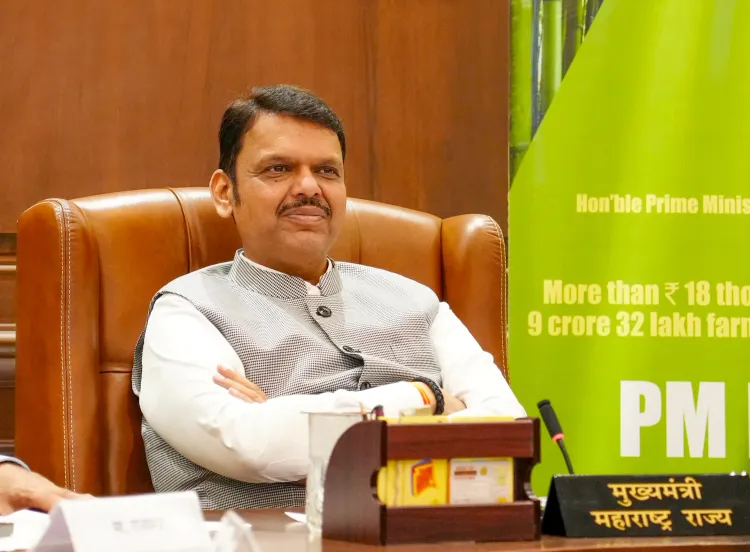
Mumbai, March 13 (NationPress) Chief Minister Devendra Fadnavis has instructed relevant agencies to devise a lasting solution for the rehabilitation of encroachers in Borivali’s Sanjay Gandhi National Park (SGNP).
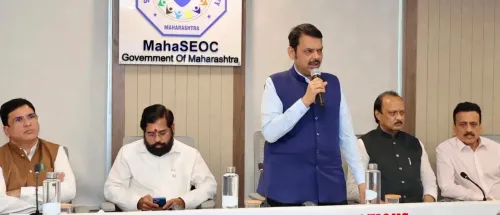
In a meeting at Vidhan Bhavan, the Chief Minister urged officials to assess surrounding available lands and formulate a structured rehabilitation plan.
He further emphasized the necessity to clearly define the park's boundaries within a set deadline and prioritize the rehabilitation of individuals living along these boundaries.
Additionally, the Chief Minister ordered that essential civic amenities be provided to the encroachers on a humanitarian basis until their relocation is finalized. For those situated on the Mulund and Thane peripheries of the park, he tasked officials with locating nearby areas for their relocation.
“The Housing Department is to review available land options and present a rehabilitation proposal within one month, focusing on the most efficient and swift execution methods. Following the establishment of boundaries, around 5,000 individuals living on the periphery and in 'core areas' should be relocated immediately using accessible nearby land, all while adhering to legal stipulations. The process of eviction and rehabilitation must closely follow the guidelines set forth by the High Court to ensure a permanent resolution,” stated the Chief Minister.
He also directed that the Thane, Mira-Bhayandar, and Mumbai Municipal Corporations, along with the Housing and Forest Departments, collaborate effectively, ensuring no further encroachments occur around the park in the future.
He stressed the importance of treating all individuals fairly during this transition and insisted on verifying the exact number of encroachers.
As per the government announcement, the Sanjay Gandhi National Park holds the distinction of being the largest national park located within a metropolitan area globally.
This park plays a crucial role in Mumbai’s flood management; it acts as the catchment area for Tulsi, Vihar, and Powai lakes, and is the source of the Dahisar, Poinsar, Mithi, and Oshiwara rivers.
The park attracts millions of local and international tourists, renowned for its scenic nature trails and opportunities for wildlife observation.
Moreover, it is home to 43 padas (hamlets) and townships, accommodating over 2,000 tribal families.
Point of View
The government aims to maintain the ecological integrity of Sanjay Gandhi National Park while addressing the needs of vulnerable populations. It is essential to monitor the implementation of these plans to protect both human rights and environmental assets.
NationPress
3 Oct 2026
Frequently Asked Questions
What is the purpose of the rehabilitation plan for encroachers?
The rehabilitation plan aims to provide a permanent solution for encroachers living within the boundaries of Sanjay Gandhi National Park, ensuring their relocation to nearby available lands while adhering to legal regulations.
How many encroachers are affected?
Approximately 5,000 individuals residing on the boundaries and in core areas of the park will be impacted by the rehabilitation plan.
What role does the Housing Department play in this plan?
The Housing Department is responsible for evaluating available land options and submitting a rehabilitation proposal within a month, focusing on efficient execution methods.
Why is Sanjay Gandhi National Park significant?
Sanjay Gandhi National Park is the largest national park located within a metropolitan city globally and plays a crucial role in flood management and biodiversity conservation.
What measures are in place to prevent future encroachments?
The Chief Minister has instructed municipal corporations and relevant departments to coordinate efforts to ensure no new encroachments occur around the park in the future.