Kerala CPI-M in crisis: Govindan cuts short presser after worst poll rout in decades
Synopsis
Kerala's CPI-M just recorded its worst electoral result in decades — 35 seats in a 140-member House — and its state secretary's abrupt exit from a press conference may be the most telling image of the fallout. With rebels winning, bastions crumbling, and Pinarayi Vijayan silent after resigning, the Left in Kerala faces a reckoning that a routine party review may not be equipped to handle.
Key Takeaways
CPI-M won just 35 seats in the 140-member Kerala Assembly , its worst result in decades.
Govindan cut short his post-poll press interaction on 6 May , sidestepping questions.
Shyamala lost in Thaliparamba to rebel candidate T.
Govindan , backed by the Congress-led UDF.
Traditional strongholds in Kannur , Kozhikode , and Alappuzha recorded significant reverses for the party.
Kunjikrishnan also registered upset wins, reflecting internal dissent.
Chief Minister Pinarayi Vijayan has resigned and remained absent from the media since results were declared.
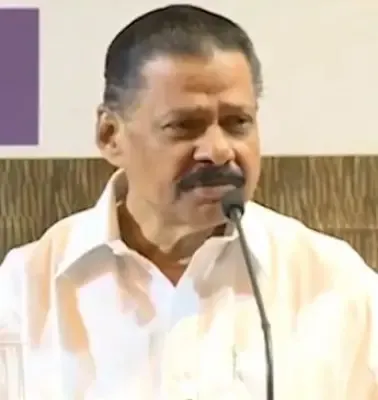
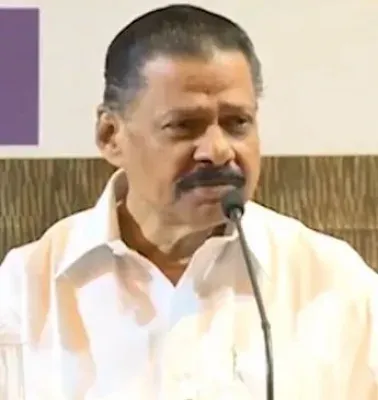
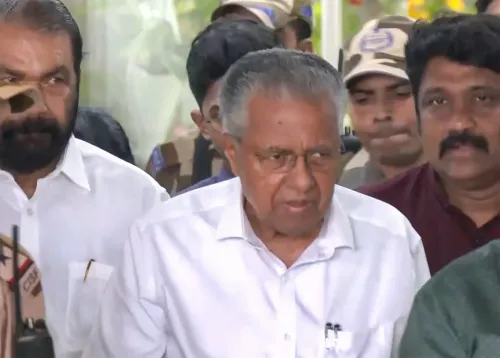
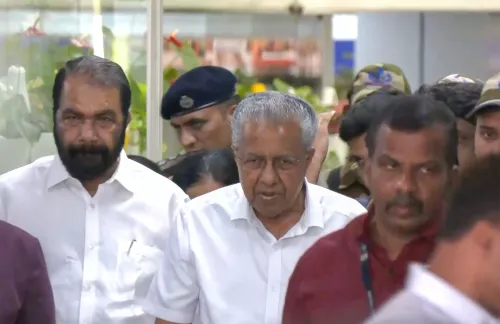
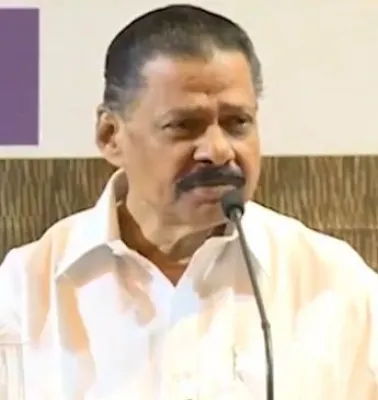
Communist Party of India (Marxist) Kerala state Secretary M. V. Govindan abruptly walked out of his first post-poll press interaction in Thiruvananthapuram on 6 May, sidestepping questions within minutes — a moment that has swiftly become emblematic of the CPI-M's deep unease following what analysts are calling its worst electoral setback in decades. The party managed just 35 seats in the 140-member Kerala Legislative Assembly, a stunning collapse for a formation that had confidently campaigned for a historic third consecutive term in power.
The Presser That Said Everything Without Saying Anything
Govindan described the outcome as "unexpected" and promised a comprehensive review at all organisational levels during May and June. But his visible discomfort and reluctance to engage with the media only deepened the perception of a party on the defensive. The brevity of the interaction — and the abruptness of his exit — drew immediate attention, with political observers noting the sharp contrast between the party's assertive pre-poll messaging and its post-result silence.
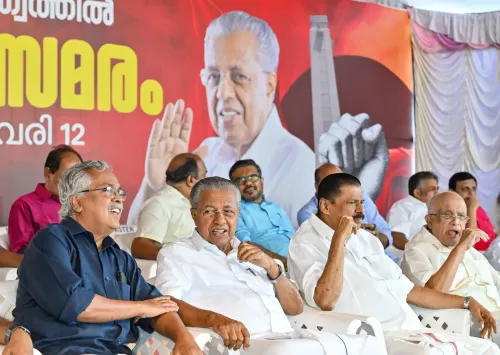
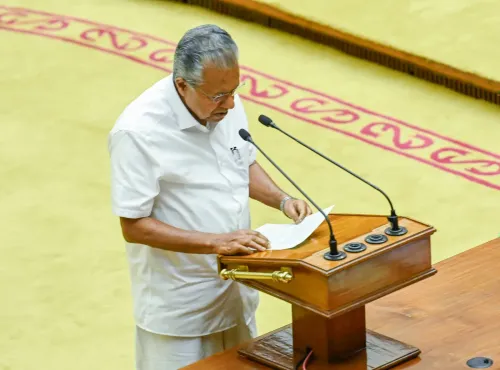
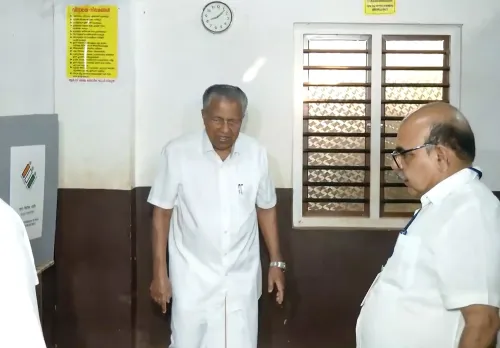
Chief Minister Pinarayi Vijayan, who has since submitted his resignation, has also remained conspicuously absent from the media since results were declared, reportedly fuelling calls for accountability within party circles.
A Personal Blow for the State Secretary
The defeat carries a particularly personal dimension for Govindan. His wife, P. K. Shyamala, lost her contest in Thaliparamba to rebel candidate and former party veteran T. K. Govindan, who ran with the backing of the Congress-led United Democratic Front (UDF). The loss in a constituency closely associated with the party's own leadership has amplified both the political and symbolic blow to the state secretary's standing.
Strongholds Crumble, Rebels Triumph
Beyond individual defeats, the CPI-M has been rattled by reverses in its traditional bastions — the Kannur, Kozhikode, and Alappuzha regions — long regarded as the organisational bedrock of the Left in Kerala. The erosion in these strongholds points to a deeper churn within the party's core support base that a routine review process may struggle to address.
Compounding the crisis further were the striking victories of leaders who had broken ranks with the party. Alongside T. K. Govindan, former minister G. Sudhakaran and V. Kunjikrishnan registered upset wins, widely viewed as internal dissent translating directly into electoral outcomes. Notably, the success of rebel candidates backed by the UDF signals that voter disenchantment with the CPI-M may have run deeper than the party's own internal assessments had anticipated.
What Comes Next for Kerala's Left
Govindan has reiterated that the party will consult all organisational levels during its review over the coming weeks. However, with rare criticism of Vijayan now surfacing from within party circles and pressure mounting from outside, the CPI-M faces one of its most testing phases in Kerala's post-Independence political history. The party's next moves — on leadership, organisational restructuring, and opposition strategy — will be closely watched as it attempts to rebuild from a bruising defeat.
Point of View
Rather than a graceful handover, risks making accountability harder to enforce from within. The promised review will mean little unless the party confronts the possibility that its governance model, not just its campaign strategy, drove voters away.
NationPress
22 Sept 2026
Frequently Asked Questions
How many seats did CPI-M win in the Kerala Assembly election?
The CPI-M won just 35 seats in the 140-member Kerala Legislative Assembly, widely described as its worst electoral result in decades. The party had been campaigning for a historic third consecutive term in power.
Why did M. V. Govindan cut short his press conference?
CPI-M Kerala state Secretary M. V. Govindan abruptly walked out of his first post-poll press interaction on 6 May in Thiruvananthapuram, sidestepping reporters' questions within minutes. He described the result as 'unexpected' and promised a party review but did not elaborate further.
What happened to Pinarayi Vijayan after the Kerala election results?
Chief Minister Pinarayi Vijayan submitted his resignation following the CPI-M's heavy defeat and has since remained absent from the media. His silence has reportedly drawn rare criticism from within party circles, with calls for accountability growing louder.
Which CPI-M strongholds were lost in the election?
The CPI-M suffered significant reverses in its traditional bastions of Kannur, Kozhikode, and Alappuzha — regions long considered the organisational bedrock of the Left in Kerala. The losses in these areas point to a deeper erosion of the party's core support base.
Who are the rebel leaders who won against the CPI-M?
Former party veteran T. K. Govindan won in Thaliparamba against CPI-M state Secretary M. V. Govindan's wife P. K. Shyamala, contesting with Congress-led UDF backing. Former minister G. Sudhakaran and V. Kunjikrishnan also registered upset wins, reflecting the impact of internal dissent on electoral outcomes.