Kerala CPI-M in crisis: Historic rout ends decade of Left rule
Synopsis
Kerala's CPI-M has suffered its worst-ever electoral collapse, crashing from 62 to just 26 seats and losing 13 cabinet ministers in a single verdict. For the first time in nearly six decades, there is no Left-led government anywhere in India — and rebel leaders are already warning the party could follow West Bengal into irrelevance.
Key Takeaways
CPI-M seats in Kerala collapsed from 62 in 2021 to just 26 — the party's worst-ever electoral result.
50 sitting Left legislators lost, including 13 cabinet ministers from Chief Minister Pinarayi Vijayan 's government.
For the first time in nearly six decades , there is reportedly no Left-led government anywhere in India.
Three of four expelled CPI-M veterans who contested on UDF tickets won in Left bastions at Kannur and Alappuzha .
Ally CPI 's mouthpiece Janayugom blamed governance failures and public disconnect; cadres are openly questioning leadership on social media.
CPI-M leadership is set to meet on Wednesday to assess the rout and chart next steps.
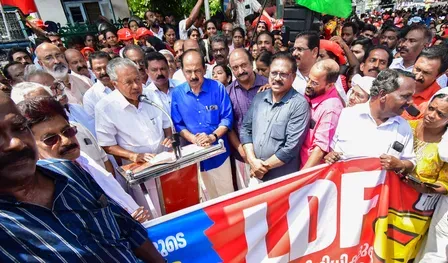
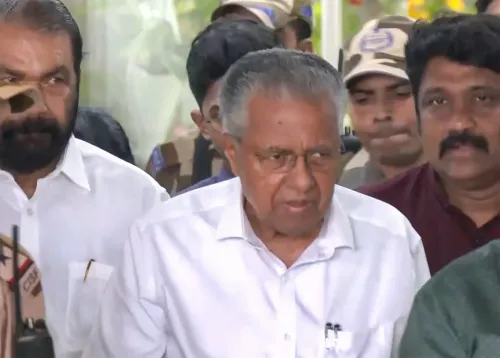
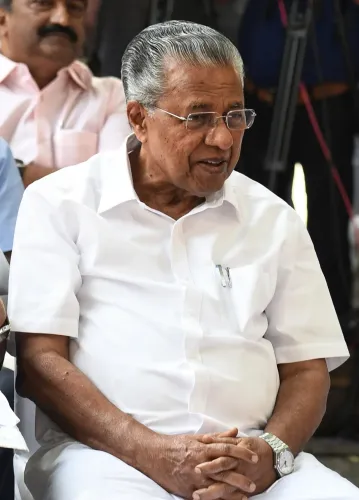
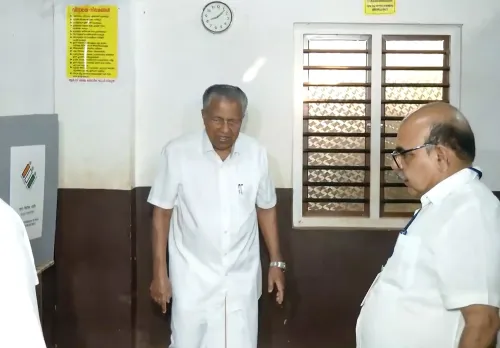
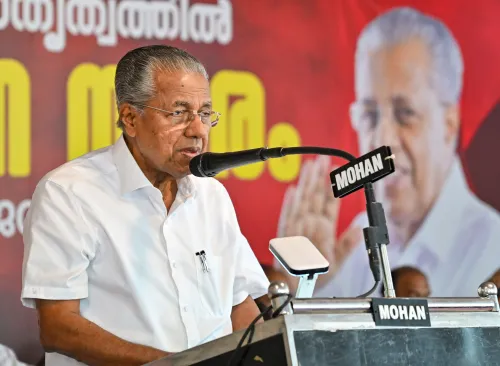
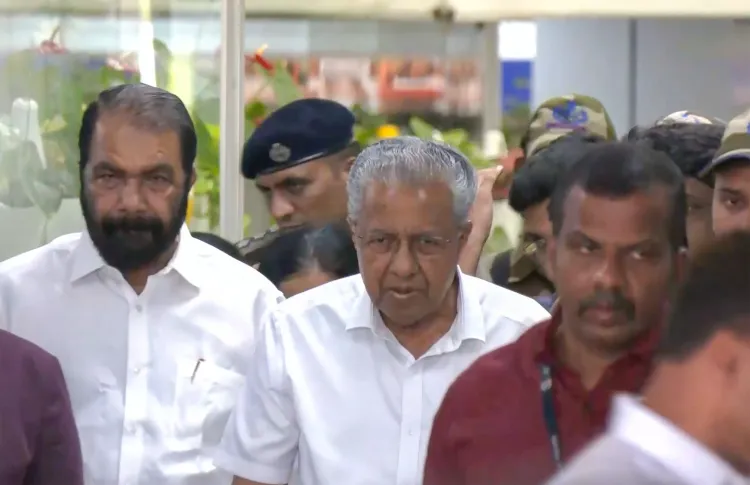
The Communist Party of India (Marxist) in Kerala is reeling from its worst-ever electoral defeat, with the party's tally crashing from 62 seats in 2021 to just 26 in the latest Assembly election — a collapse that has ended a decade of Left rule in the state and, reportedly for the first time in nearly six decades, left no Left-led government anywhere in India. The scale of the rout has triggered an unprecedented wave of internal dissent, with grassroots workers openly targeting the leadership of Chief Minister Pinarayi Vijayan and state Secretary M. V. Govindan.
Scale of the Defeat
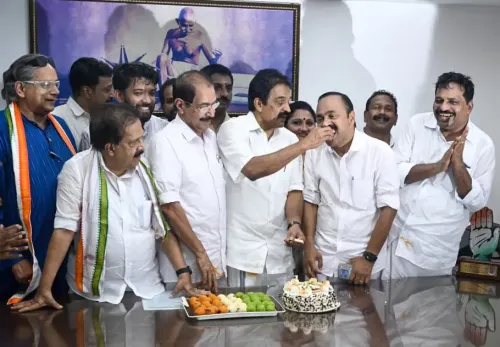
The numbers tell a stark story. A total of 50 sitting Left legislators lost their seats, while all 32 UDF legislators who contested won. Among those voted out were 13 cabinet ministers from Vijayan's government. The Congress-led United Democratic Front (UDF) swept through constituencies that the Left had long considered safe territory, including bastions in Kannur and Alappuzha.
Adding to the humiliation, four veteran CPI-M leaders who had been ejected from the party contested with UDF backing — and three of them won, doing so in the Left's own strongholds. One of them, V. Kunjikrishnan, who was ousted after raising allegations of fund misappropriation, warned: if the CPI-M does not do serious introspection, the party here will go the way that happened in West Bengal.
Internal Dissent and Leadership Under Fire
Social media platforms have become a battleground of dissent, with cadres questioning decisions ranging from candidate selection to the perceived sidelining of mass leaders such as P. Jayarajan. The shock has been particularly acute in Kannur, long considered a party citadel, where internal factionalism and rebel candidates are seen to have eroded the CPI-M's base significantly.
The erosion of traditional strongholds, coupled with a visible consolidation of minority votes against the Left, has deepened concerns about what some within the party are calling a structural decline rather than a cyclical setback.
Allies Turn Critical
Pressure has also come from within the Left alliance itself. The Communist Party of India (CPI)'s mouthpiece Janayugom squarely blamed governance failures and a growing disconnect with the people, calling for serious introspection. A separate editorial in another vernacular daily described the verdict as a public backlash against arrogance, excess, and a drift from core secular positions. Both assessments underline a potent anti-incumbency wave that the Left reportedly failed to anticipate.
Leadership Response and Ideological Challenge
Senior leader Jayarajan has sought to frame the defeat within a broader political context, arguing that mass struggles — not parliamentary strength — should remain the Left's real foundation. He also acknowledged the need for course correction, warning that organisational distortions and leadership lapses must be addressed to restore public trust.
The party additionally faces an ideological challenge on its right flank, with the Bharatiya Janata Party (BJP) making incremental gains in Kerala amid a broader rightward shift in national politics. The CPI-M has characterised this as a call to intensify its resistance, even as it grapples with internal dissent.
What Comes Next
The CPI-M leadership is scheduled to meet on Wednesday to take stock of the rout. The immediate challenge is not merely electoral recovery, but rebuilding credibility both within its ranks and among voters. Whether the party can convert this crisis into genuine renewal will determine if this moment represents a temporary setback or a deeper turning point in the history of the Left in India.
Point of View
Minority vote consolidation against the Left, and the spectacle of expelled veterans winning in the party's own bastions. The West Bengal parallel invoked by V. Kunjikrishnan is not rhetorical; it is a documented trajectory. What makes this moment different from past defeats is the simultaneous absence of a Left government anywhere in India — a civilisational low for a movement that once governed multiple large states. The leadership meeting on Wednesday will be watched not for what is said, but for whether accountability is genuinely assigned or managed away.
NationPress
26 Sept 2026
Frequently Asked Questions
How many seats did CPI-M win in the Kerala election?
The CPI-M won just 26 seats, down sharply from 62 seats in the 2021 Assembly election. This is the party's worst-ever electoral result in Kerala.
Why is the CPI-M defeat historically significant?
The defeat ended a decade of Left rule in Kerala and, according to reports, marks the first time in nearly six decades that there is no Left-led government anywhere in India. The scale — 50 sitting legislators lost, including 13 cabinet ministers — makes it unprecedented.
Who is being held responsible for the CPI-M's loss?
Grassroots workers and allies have directed criticism at Chief Minister Pinarayi Vijayan and state Secretary M. V. Govindan. The CPI's mouthpiece Janayugom cited governance failures, while cadres on social media have questioned candidate selection and the sidelining of leaders like P. Jayarajan.
What did expelled CPI-M leader V. Kunjikrishnan say after winning?
V. Kunjikrishnan, who was ousted from the CPI-M after raising allegations of fund misappropriation and then won with UDF support, warned that if the party does not undertake serious introspection, it will go the way that happened in West Bengal — a reference to the Left's near-total collapse there.
What are the CPI-M's next steps after the Kerala defeat?
The CPI-M leadership is scheduled to meet on Wednesday to take stock of the rout. Senior leader P. Jayarajan has called for addressing organisational distortions and leadership lapses, while the broader party faces pressure for accountability and possible leadership changes.