CPI(M) Kerala: from 99 to 35 seats, a reckoning that won't wait
Synopsis
The CPI(M) went into the Kerala Assembly elections expecting to make history with a third consecutive term. Instead, it lost 64 seats — crashing from 99 to 35. Three months on, the party still hasn't answered the one question that matters: was Pinarayi Vijayan the problem?
Key Takeaways
The LDF fell from 99 seats to 35 seats in the Kerala Assembly elections , losing 64 seats in the 140-member House .
The BJP returned to the Assembly with 3 seats after being shut out entirely in 2021 .
Three CPI(M) stalwarts retained seats only because the Congress -led UDF chose not to contest against them; two of those seats were in Kannur .
CPI(M) General Secretary M.A.
Baby is reportedly among national leaders pressing for accountability over the defeat.
An extended three-day State Committee meeting next month will formally review the electoral collapse — with Pinarayi Vijayan's leadership expected to face scrutiny.
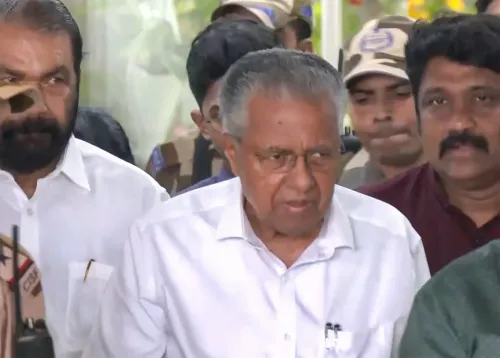
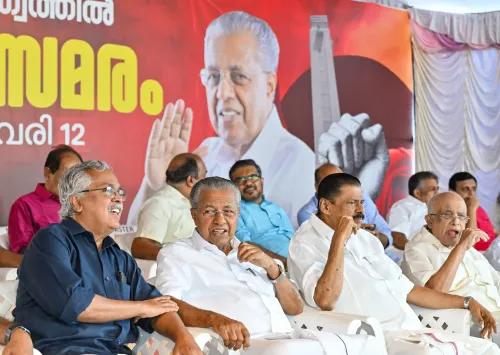
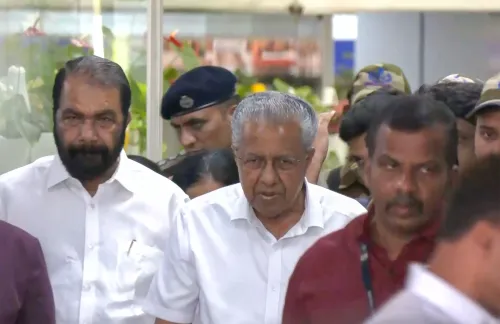
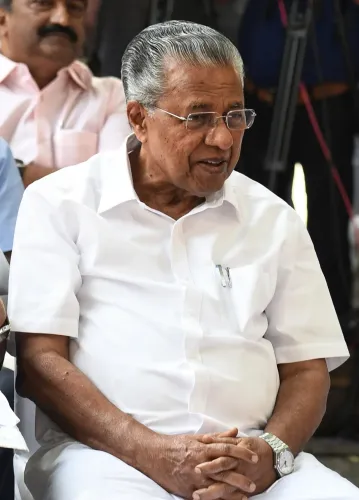
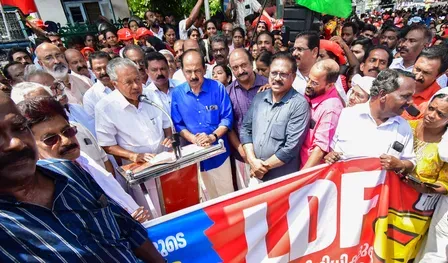
Three months after Kerala voters delivered one of the most decisive verdicts in the state's modern political history, the Communist Party of India (Marxist) is still struggling to come to terms with a collapse that few inside the party saw coming. The Left Democratic Front (LDF), led by former Chief Minister Pinarayi Vijayan, was routed in the Kerala Assembly elections, crashing from 99 seats to just 35 in the 140-member Assembly — a loss of 64 seats that has shaken the party's foundations in its strongest state.
The Scale of the Collapse
The LDF had entered the election convinced it was on the cusp of history — a third consecutive term in office, an achievement no Kerala government had managed before. Voters, however, had other plans. The Congress-led United Democratic Front (UDF) swept back to power, reducing the Left to its worst Kerala Assembly tally in decades.
The Bharatiya Janata Party (BJP), which had been wiped out entirely in 2021, returned to the House with three seats — a modest but symbolically significant recovery.
Yet it was not the BJP's return that stung the CPI(M) most sharply. The deeper wound was self-inflicted.
The Kannur Paradox
Three CPI(M) stalwarts managed to hold their seats — but only because the Congress-led UDF, in an unusual display of political generosity, chose not to field candidates against them. Two of those uncontested victories came in Kannur, the political heartland most closely associated with Vijayan himself.
That the party's most prominent figures needed rival forbearance to survive was, for many inside the CPI(M), a more telling indictment than the seat count alone. The fortress, critics noted, had developed cracks in its very foundation.
A Review That May Review Vijayan
The state leadership has since engaged in the familiar post-defeat ritual: crafting narratives that explain the loss without fully accounting for it. This time, however, the exercise has not remained contained within state party rooms.
The national leadership has entered the frame. CPI(M) General Secretary M.A. Baby is among those reportedly asking pointed questions — questions that, for the first time in years, directly implicate Vijayan's leadership style and decision-making. For a party where challenging Vijayan internally was once considered almost taboo, the shift in tone is significant.
The Vijayan camp, for its part, has not retreated. Its social-media apparatus has been working at full pace, scrutinising every move of the new V.D. Satheesan-led government — from flood response to administrative lapses — to sustain a counter-narrative: that governance has deteriorated in the LDF's absence.
The Three-Day Reckoning Ahead
All of this builds toward a critical moment: an extended three-day State Committee meeting scheduled for next month, at which the electoral defeat will be subjected to formal review. The central question is no longer whether the result will be examined — that much is settled. The live question is whether the review will have the institutional courage to examine Vijayan's role in it.
For a leader once regarded as politically untouchable within the party, the prospect of being the subject — rather than the convenor — of such a review marks a remarkable shift. How the CPI(M) handles that question will determine not just the party's immediate direction in Kerala, but the credibility of its internal democracy going forward.
Point of View
Not a failure to be understood. If the three-day State Committee meeting produces a report that hedges on Vijayan's role, the CPI(M) risks institutionalising the same culture of unaccountability that arguably cost it the election.
NationPress
24 Sept 2026
Frequently Asked Questions
How many seats did the CPI(M)-led LDF win in the Kerala Assembly elections?
The Left Democratic Front won 35 seats in the Kerala Assembly elections, down from 99 seats in the previous term — a loss of 64 seats in the 140-member House. It was one of the sharpest electoral reversals the Left has suffered in Kerala.
Why did CPI(M) stalwarts win seats without facing Congress candidates?
The Congress-led UDF chose not to field candidates against three senior CPI(M) leaders, allowing them to retain their seats unopposed by the main rival. Two of those seats were in Kannur, the political stronghold most associated with former Chief Minister Pinarayi Vijayan.
Is Pinarayi Vijayan's leadership being questioned within CPI(M)?
Yes, reportedly. CPI(M) General Secretary M.A. Baby is among national leaders said to be raising pointed questions about Vijayan's role in the defeat. This marks a significant shift, as internal criticism of Vijayan was largely absent during his years in power.
What is the CPI(M) State Committee meeting about?
An extended three-day CPI(M) State Committee meeting is scheduled for next month to formally review the party's electoral performance in Kerala. The central issue is expected to be whether the review will directly examine Vijayan's leadership decisions.
How did the BJP perform in the Kerala Assembly elections?
The BJP returned to the Kerala Assembly with three seats after being completely shut out in the 2021 elections. While modest in number, the return is seen as a symbolic foothold for the party in a state it has long struggled to break into.