Delhi AQI data gaps: Gaurav Gogoi demands political accountability
Synopsis
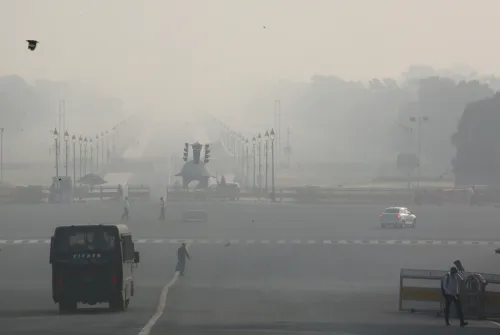
As Delhi choked through another hazardous air episode, Congress MP Gaurav Gogoi flagged a pointed concern: PM2.5 data from multiple monitoring stations went missing precisely when pollution was at its worst. The data gap has turned a technical failure into a political accountability crisis — raising the question of whether governments are being transparent with citizens when public health is most at risk.
Key Takeaways
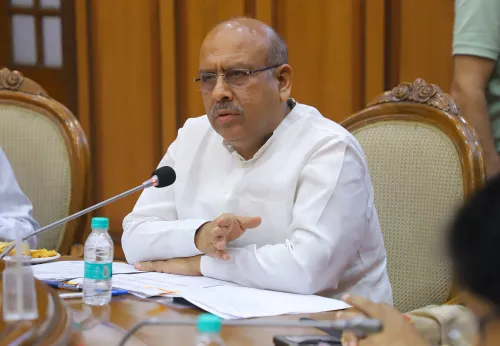
Gaurav Gogoi , Congress Deputy Leader in the Lok Sabha, raised the issue of political accountability over Delhi's AQI data gaps on 10 November 2026 .
Multiple air quality monitoring stations in Delhi reportedly showed missing PM2.5 readings during hours of exceptionally high pollution.
Authorities have cited possible technical reasons for the data outages, but the explanation has not fully satisfied critics.
The missing data is politically significant because it forms the basis for activating emergency measures under the Graded Response Action Plan (GRAP) .
Gogoi's post on X did not directly name the BJP-led Centre or the Delhi administration, but was widely read as targeting both.
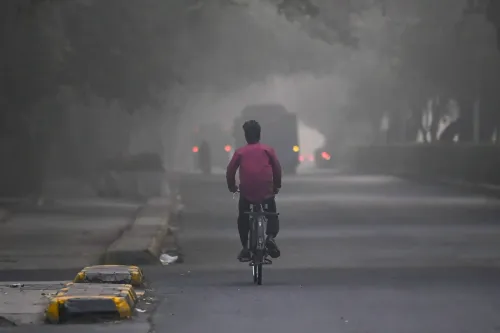
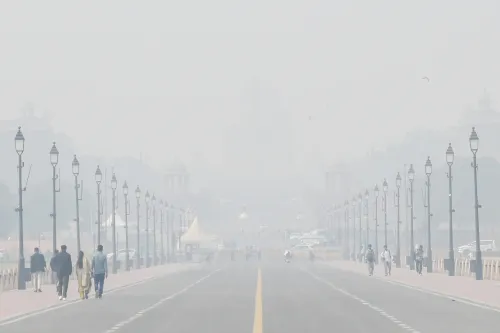
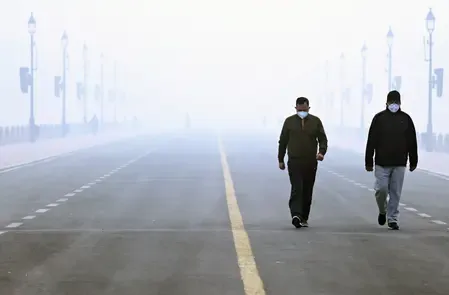
Congress Deputy Leader in the Lok Sabha Gaurav Gogoi on Tuesday, 10 November 2026, raised the issue of political accountability over reported gaps in Delhi's air quality monitoring data, as the national capital battled another severe pollution episode. The controversy centres on missing PM2.5 readings at multiple air quality monitoring stations during a period of exceptionally high pollution levels.
What Gogoi Said on X
Taking to social media platform X, the Assam Congress leader posted: 'We need politicians that are accountable to the people of India on the most important public concerns.' While Gogoi did not directly name the Bharatiya Janata Party (BJP)-led Central government or the Delhi administration, his remarks were widely read as an extension of the Congress' broader political attack on governance failures during public health crises.
The Data Gaps Controversy
According to reports based on pollution monitoring data, several air quality stations in Delhi recorded sharply rising particulate matter levels before PM2.5 readings became unavailable during crucial hours. The missing data has drawn scrutiny over whether the existing monitoring infrastructure is equipped to accurately capture and report extreme pollution episodes. Authorities and technical experts have cited possible technical malfunctions as reasons for the outages, but critics argue that such gaps — occurring precisely when transparency matters most — erode public trust.
Political and Public Fallout
The episode has reignited a broader debate over the transparency and reliability of India's pollution monitoring systems. Delhi's annual air quality crisis has long been a political flashpoint, with the Centre and neighbouring state governments trading blame over stubble burning, vehicular emissions, construction dust, and industrial pollution. The missing data has added a fresh dimension to that debate — whether public agencies are being sufficiently forthcoming with citizens about the health risks they face in real time.
Wider Context: Delhi's Recurring Pollution Emergency
Delhi's air quality typically deteriorates sharply between October and January, driven by a combination of crop residue burning in Punjab and Haryana, dropping temperatures that trap pollutants close to the ground, and high vehicular and industrial emissions. This is not the first time data reliability has come under question during peak pollution season; the credibility of real-time air quality reporting has been contested in previous years as well. Notably, accurate monitoring data forms the basis for triggering emergency measures under the Graded Response Action Plan (GRAP), making gaps during high-pollution periods particularly consequential for public health policy.
What Comes Next
Gogoi's intervention is likely to sharpen parliamentary and public scrutiny of both the monitoring infrastructure and the governments responsible for maintaining it. Opposition parties are expected to press the issue as Delhi's pollution season deepens. Whether authorities move to address technical vulnerabilities in the monitoring network — and disclose the reasons for the data gaps transparently — will determine how this controversy develops in the weeks ahead.
Point of View
So data gaps during peak pollution hours have direct policy consequences, not just political ones. Gogoi's carefully worded post names no one, which is itself telling: the accountability deficit in Delhi's pollution governance is shared across the Centre and multiple state administrations, making it politically convenient for everyone to point elsewhere. What mainstream coverage tends to miss is that this is at least the second or third season in which the reliability of real-time air quality data has been contested, suggesting a systemic, not incidental, infrastructure problem. Until independent audits of monitoring station uptime are made public, the credibility of any pollution emergency response will remain open to challenge.
NationPress
10 Nov 2026
Frequently Asked Questions
What is the Delhi AQI data gap controversy?
The controversy refers to reports that several air quality monitoring stations in Delhi recorded missing PM2.5 readings during hours when pollution levels were at exceptionally high levels. The gaps have raised questions over the transparency and technical adequacy of Delhi's pollution monitoring infrastructure.
What did Gaurav Gogoi say about the issue?
Congress Deputy Leader in the Lok Sabha Gaurav Gogoi posted on social media platform X on 10 November 2026, stating: 'We need politicians that are accountable to the people of India on the most important public concerns.' He did not directly name any government but signalled the Congress' broader demand for accountability on public health issues.
Why does missing PM2.5 data matter during a pollution crisis?
PM2.5 data from monitoring stations is used to determine air quality index levels and to trigger emergency response measures under Delhi's Graded Response Action Plan (GRAP). Missing data during peak pollution hours can delay or prevent the activation of these emergency curbs, directly affecting public health decisions.
What reasons have authorities given for the data gaps?
Authorities and technical experts have cited possible technical malfunctions at the monitoring stations as the reason for the missing readings. However, critics argue that gaps occurring during the most severe pollution episodes undermine the reliability of the entire monitoring system.
Is this the first time Delhi's pollution data reliability has been questioned?
No. The credibility of real-time air quality reporting during Delhi's peak winter pollution season has been contested in previous years as well, pointing to what critics describe as a recurring, systemic issue with the monitoring infrastructure rather than a one-off technical failure.