Chhath Puja 2026: Usha Arghya today as devotees throng ghats nationwide
Synopsis
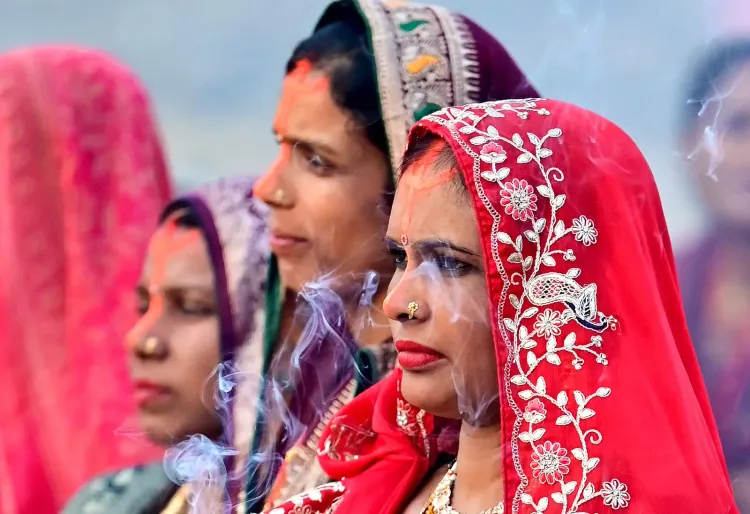
Chhath Puja's most sacred moment arrives on 16 November as millions of devotees stand in water at dawn to offer Usha Arghya to the rising Sun — a ritual that closes four days of rigorous fasting and marks one of India's largest annual religious gatherings at ghats and riverbanks nationwide.
Key Takeaways
Chhath Puja 2026 concludes on Monday, 16 November with Usha Arghya , the sunrise offering to Lord Surya .
Usha Arghya follows Sandhya Arghya performed on Sunday evening , completing the veneration of both the setting and rising Sun.
Devotees stand in water at sunrise and offer water and milk to Lord Surya alongside prayers to Chhathi Maiya .
The rigorous four-day fast is broken after the rituals by consuming Prasad , as per family tradition.
The festival sees some of the largest ghat congregations of the year across Bihar , Uttar Pradesh , Jharkhand , and New Delhi .
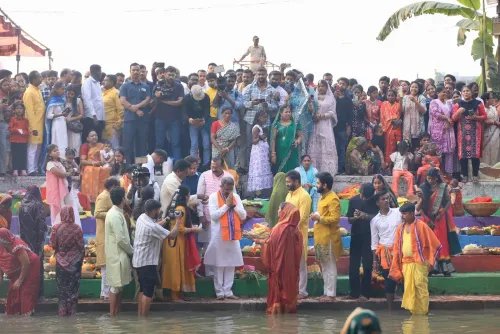
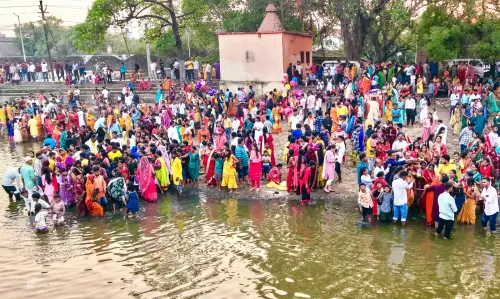
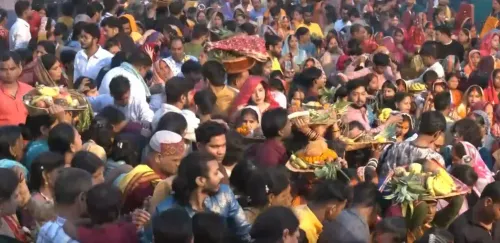
The four-day festival of Chhath Puja reaches its ceremonial conclusion on Monday, 16 November with Usha Arghya — the ritual offering of prayers to the rising Sun — as millions of devotees gather at Chhath ghats, riverbanks, and ponds across India to complete the festival's final rites.
What Usha Arghya Marks
Usha Arghya is widely regarded as the most spiritually significant ritual of Chhath Puja. The festival venerates both the setting and the rising Sun: while Sandhya Arghya, performed on Sunday evening, expressed gratitude to the setting Sun, Usha Arghya on Monday symbolises welcoming the new dawn and paying homage to the energy of Lord Surya. Together, the two offerings form the devotional core of the four-day observance.
How the Morning Rituals Unfold
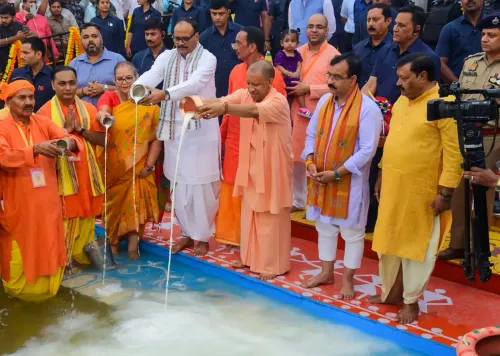
Devotees rise before dawn to take a holy bath before proceeding to the nearest water body, carrying traditional puja materials. At sunrise, they stand in the water and offer water and milk to Lord Surya while reciting prescribed prayers. The worship is accompanied by offerings to Chhathi Maiya, prayers for the health and prosperity of family members, and the singing of traditional Chhath songs, filling the ghats with a devotional atmosphere.
Breaking the Fast
Once Usha Arghya and the accompanying puja rituals are completed, the fasting devotee seeks blessings from family members. The fast — observed with strict discipline and adherence to religious practice over four days — is then broken by consuming Prasad in accordance with each family's traditions and customs. According to religious belief, prayers offered to Lord Surya and Chhathi Maiya on this day are considered auspicious and believed to bring happiness, prosperity, and good health to the entire family.
Scale of Observance
Chhath Puja is one of the most widely observed festivals in the states of Bihar, Uttar Pradesh, and Jharkhand, and has grown significantly in prominence in New Delhi and other metropolitan centres with large migrant populations from these states. Ghats and water bodies in these regions see some of the largest congregations of the year during the festival's closing rituals, reflecting the festival's deep cultural and religious resonance across communities.
Point of View
Mumbai, and Indian diaspora communities abroad reflects how regional festivals are acquiring national and even global footprints. The ritual's discipline — a strict multi-day fast with no food or water during certain periods — sets it apart from more festive-format observances, commanding remarkable participation rates even among urban, working populations. The massed gatherings at urban water bodies also raise recurring questions about ghat infrastructure, water quality, and crowd management that civic authorities tend to address inadequately year after year. The festival's growing scale deserves commensurate planning, not just ceremonial acknowledgement.
NationPress
16 Nov 2026
Frequently Asked Questions
What is Usha Arghya in Chhath Puja?
Usha Arghya is the concluding ritual of Chhath Puja in which devotees offer water and milk to the rising Sun at dawn. It symbolises welcoming the new dawn and paying homage to the energy of Lord Surya, completing the four-day festival.
When is Usha Arghya performed in 2026?
Usha Arghya is performed on Monday, 16 November 2026, marking the final day of Chhath Puja 2026. Devotees gather at ghats and riverbanks before sunrise to be ready when the Sun rises.
How is the Chhath Puja fast broken?
After completing Usha Arghya and the accompanying puja rituals, the fasting devotee seeks blessings from family members and then breaks the fast by consuming Prasad, in accordance with the family's traditions and customs.
What is the difference between Sandhya Arghya and Usha Arghya?
Sandhya Arghya, performed on the evening before the final day, is an expression of gratitude to the setting Sun, while Usha Arghya on the concluding morning symbolises welcoming the new dawn and honouring the rising Sun. Together they form the devotional centrepiece of Chhath Puja.
Where is Chhath Puja most widely observed?
Chhath Puja is most widely observed in Bihar, Uttar Pradesh, and Jharkhand, and has grown significantly in New Delhi and other metro cities with large migrant populations from these states. The festival is also observed by Indian communities abroad.