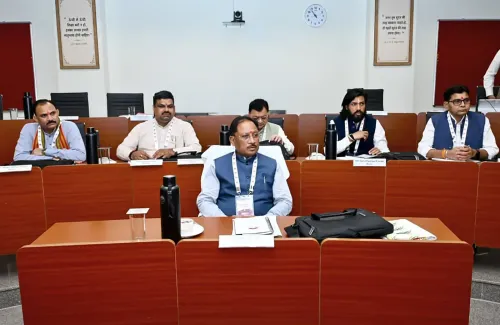
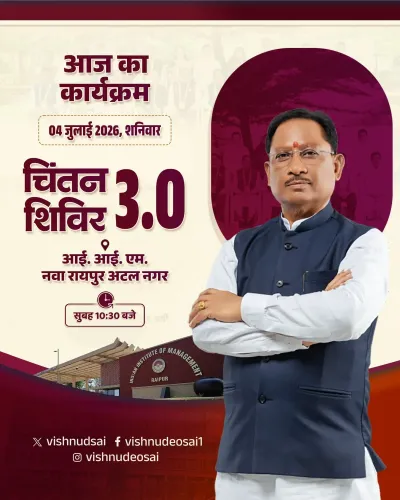
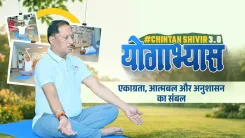
Chhattisgarh CMO hosts Chintan Shivir 3.0 at IIM Nava Raipur
Synopsis
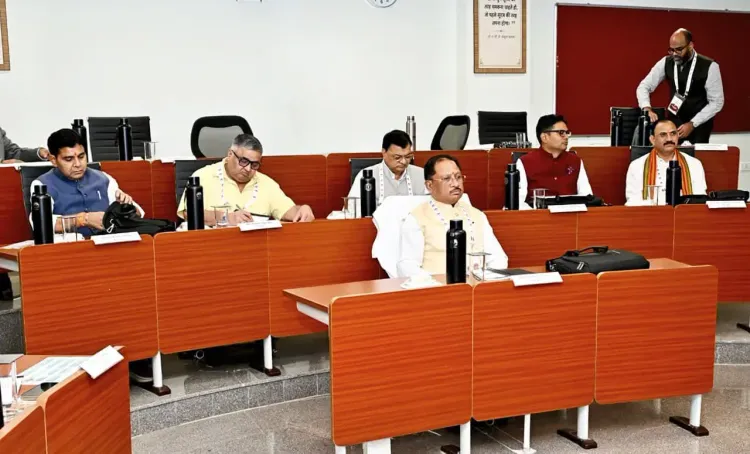
The Chhattisgarh Chief Minister's Office convened Chintan Shivir 3.0 at IIM Nava Raipur-Atal Nagar on 5 July 2026, continuing the state's institutionalised practice of governance brainstorming camps aimed at aligning bureaucracy with administrative reform priorities.
Key Takeaways
Chintan Shivir 3.0 is the third edition of Chhattisgarh's state-level governance brainstorming workshop.
The event is hosted at IIM Raipur, Nava Raipur-Atal Nagar , the planned greenfield capital of Chhattisgarh.
The Chintan Shivir format has been used by Chhattisgarh governments since at least the Raman Singh era.
The workshop is branded under the 'Suhasaan Sarkar' (Good Governance) initiative of the current state government.
Outcomes to watch include white papers, pilot projects, or new administrative guidelines post-camp.
Senior state bureaucrats and policymakers are the primary participants, with downstream impact on public service delivery across Chhattisgarh's 33 districts .
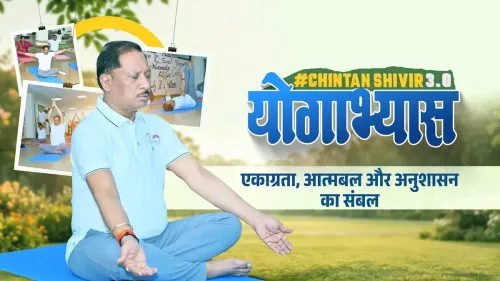
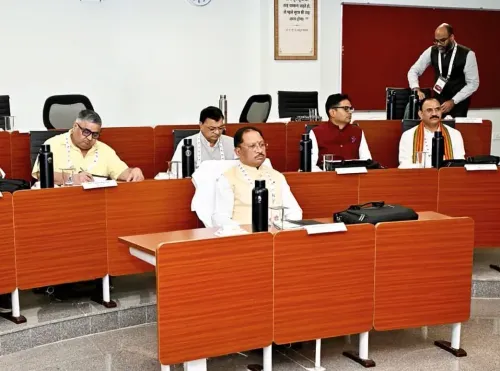
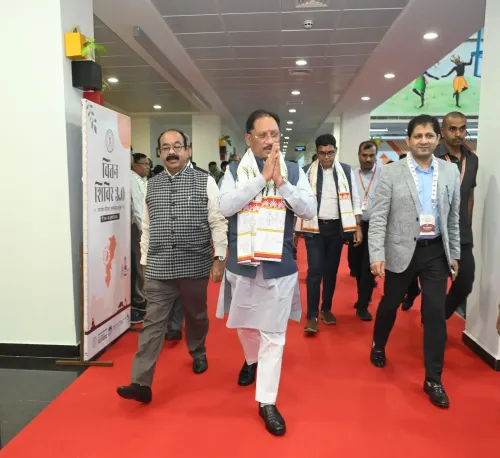
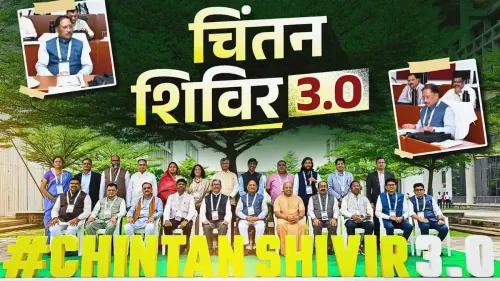
The Chief Minister's Office of Chhattisgarh announced the third edition of its flagship governance brainstorming workshop, Chintan Shivir 3.0, being held at the Indian Institute of Management (IIM), Nava Raipur-Atal Nagar, on Sunday, 5 July 2026. The event, tagged under the hashtags #SushasanSarkar and #GoodGovernance, signals the state government's continued push to align its bureaucracy with administrative reform priorities.
Context
The Chintan Shivir format — literally 'contemplation camp' — is a closed-door, intensive brainstorming session that brings together senior state bureaucrats and policymakers to review governance performance and chart a reform roadmap. Chhattisgarh has convened such shivirs periodically, with the practice dating back to at least the Raman Singh era of governance. The third edition, branded Chintan Shivir 3.0, builds on that lineage.
The venue, IIM Raipur located in the planned greenfield capital of Nava Raipur-Atal Nagar, is a deliberate choice. The institute regularly hosts government capacity-building programmes and lends institutional credibility to such exercises. Nava Raipur-Atal Nagar, developed as the new administrative capital of the state, houses several key state institutions.
Policy Backdrop
Across India, state governments of varying political persuasions have increasingly turned to IIMs and similar premier institutions to host governance retreats. These camps serve a dual purpose: they provide a structured environment for bureaucratic introspection and help translate political priorities into actionable administrative guidelines. The outputs of such shivirs often feed into annual budget preparations or mid-year administrative-reform circulars.
For Chhattisgarh, the Suhasaan Sarkar ('Good Governance Government') framing reflects a broader state-level narrative around service delivery, transparency, and efficient public administration. The branding of this as the 3.0 edition suggests an institutionalised, iterative approach to governance review rather than a one-off event.
Stakeholders and Impact
The primary participants in such shivirs are typically senior Indian Administrative Service (IAS) officers, department heads, and political advisors who collectively set the administrative agenda for the state. Their deliberations can directly affect how flagship welfare schemes are implemented at the district and block levels, with downstream impact on millions of citizens across Chhattisgarh's 33 districts.
Civil society observers and governance watchdogs also track the outcomes of these sessions, as any new administrative directives or pilot projects announced in their aftermath tend to reshape the delivery of public services — from health and education to agriculture and infrastructure.
What's Next
The key deliverables to watch from Chintan Shivir 3.0 include any white papers, administrative circulars, or pilot project announcements that the state government may release in the days following the camp. Past editions of similar shivirs in other states have produced reform blueprints that fed directly into budget allocations or scheme redesigns. Whether Chhattisgarh formalises the outcomes of this edition into a public governance document will be a significant indicator of the exercise's depth and intent.
Point of View
The Chhattisgarh administration signals that these camps are now a recurring fixture rather than an ad hoc exercise — a subtle but meaningful shift toward institutionalised self-assessment. The 'Suhasaan Sarkar' framing also serves a political purpose, projecting an image of a reform-minded government ahead of any future electoral cycle. The real test, however, will lie in whether the deliberations translate into measurable, publicly documented policy changes.
NationPress
5 Jul 2026
Frequently Asked Questions
What is Chintan Shivir 3.0 in Chhattisgarh?
Chintan Shivir 3.0 is the third edition of a state-level governance brainstorming workshop organised by the Chhattisgarh government, held at IIM Raipur in Nava Raipur-Atal Nagar on 5 July 2026. It brings together senior bureaucrats and policymakers to review administrative performance and plan reforms.
Where is Chintan Shivir 3.0 being held?
Chintan Shivir 3.0 is being held at the Indian Institute of Management (IIM) Raipur , located in Nava Raipur-Atal Nagar , the planned greenfield capital city of Chhattisgarh.
What is the purpose of a Chintan Shivir?
A Chintan Shivir, meaning 'contemplation camp', is a closed-door brainstorming session where government officials and policymakers review governance performance, align on reform priorities, and develop administrative roadmaps that can feed into budgets or policy guidelines.
What is Suhasaan Sarkar in Chhattisgarh?
'Suhasaan Sarkar' translates to 'Good Governance Government' and is the branding framework used by the current Chhattisgarh administration to describe its governance and public service delivery agenda.
What outcomes are expected from Chintan Shivir 3.0?
Observers will watch for white papers, pilot project announcements, or new administrative circulars that the Chhattisgarh government may release following the camp, which could reshape the delivery of public services across the state.