CM Bhupendra Patel Opens Gujarat's First Urban Cable-Stayed Flyover
Synopsis
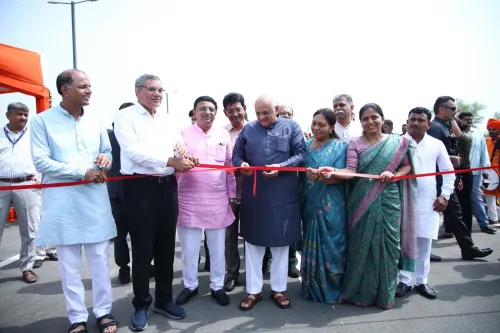
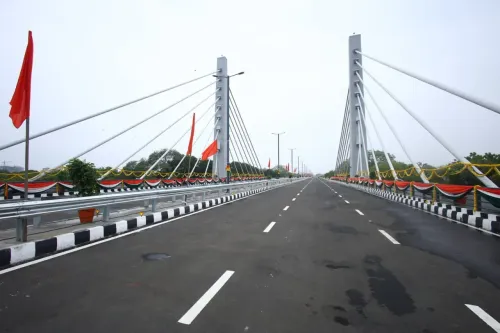
Chief Minister Bhupendra Patel on 5 July 2026 inaugurated Gujarat's first urban cable-stayed flyover at Bhat Char Rasta on the Gandhinagar–Ahmedabad Airport corridor. Built jointly by the Roads and Buildings Department and AUDA at ₹175 crore, the 1.48-km bridge aims to ease one of the state's busiest urban arterials.
Key Takeaways
Gujarat's first urban cable-stayed flyover was inaugurated on 5 July 2026 by Chief Minister Bhupendra Patel .
The bridge is located at Bhat Char Rasta on the road connecting Gandhinagar to Ahmedabad Airport .
Total project cost is ₹175 crore , jointly funded by the Roads and Buildings Department and AUDA .
The structure is 1.48 kilometres in length, making it one of the longer urban flyovers on the corridor.
Cable-stayed design was chosen to minimise land acquisition in the densely developed urban stretch.
The project aligns with national urban mobility frameworks including AMRUT and the Smart Cities Mission .
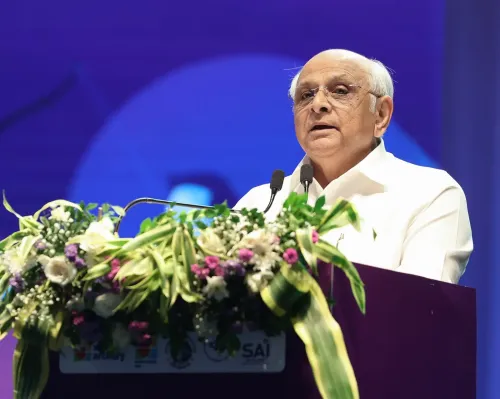
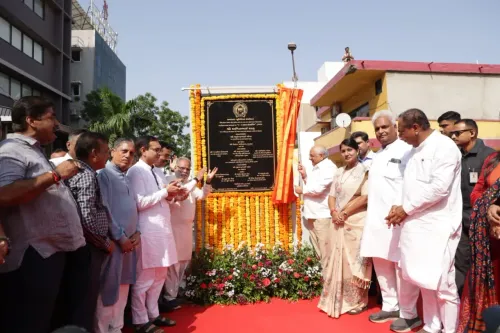
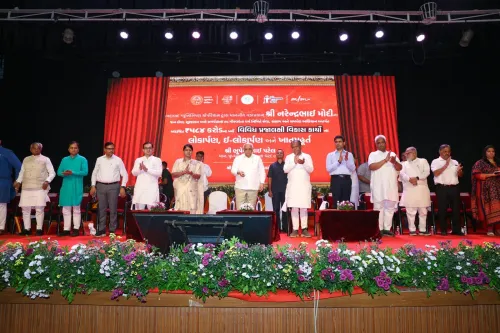
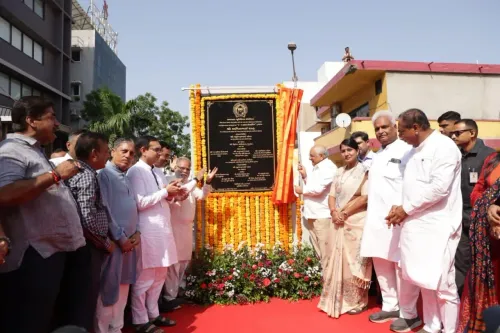
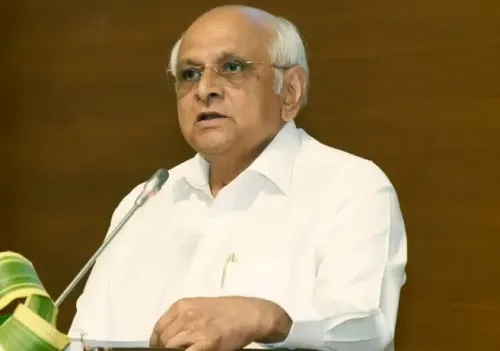
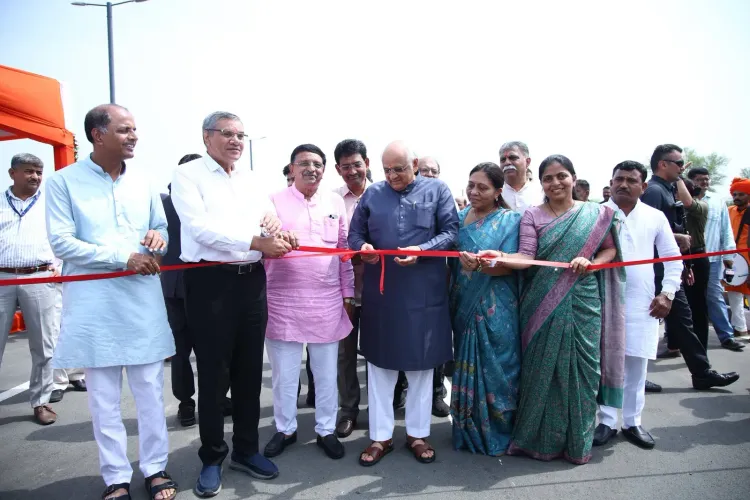
The Chief Minister's Office of Gujarat announced on Sunday, 5 July 2026 that Chief Minister Bhupendra Patel inaugurated a new cable-stayed flyover bridge at Bhat Char Rasta on the road connecting Gandhinagar to Ahmedabad Airport, marking a significant milestone in the state's urban infrastructure programme.
The post, shared in Gujarati, states: 'મુખ્યમંત્રી શ્રી ભૂપેન્દ્રભાઈ પટેલના વરદ્હસ્તે... નવીન કેબલ સ્ટેડ ફ્લાયઓવર બ્રિજનું લોકાર્પણ કરવામાં આવ્યું હતું' — ('At the auspicious hands of Chief Minister Shri Bhupendrabhai Patel, the new cable-stayed flyover bridge was inaugurated.')
Context
The bridge, built jointly by the state government's Roads and Buildings Department and the Ahmedabad Urban Development Authority (AUDA), spans 1.48 kilometres at a combined project cost of ₹175 crore. According to the official announcement, it is the first cable-stayed flyover bridge in any urban area of Gujarat.
The structure sits at Bhat Char Rasta, a key intersection on the arterial corridor linking Gandhinagar — the state capital — to Sardar Vallabhbhai Patel International Airport in Ahmedabad, one of the busiest travel routes in the region.
Policy Backdrop
The Ahmedabad–Gandhinagar corridor has been a recurring focus of grade-separated infrastructure investment across successive state development plans since the early 2000s, with AUDA and state agencies executing multiple flyover and road-widening projects to address rising traffic volumes between Gujarat's commercial hub and its administrative capital.
Cable-stayed bridge designs are increasingly preferred for dense urban settings because their longer spans reduce the number of piers required, limiting land acquisition in built-up areas. This project also aligns with India's broader urban mobility push under frameworks such as AMRUT and the Smart Cities Mission, which prioritise grade-separated transport solutions in state capitals.
Stakeholders and Impact
Daily commuters travelling between Gandhinagar and Ahmedabad, as well as passengers heading to and from the international airport, are the primary beneficiaries. The flyover is expected to ease bottlenecks at the Bhat Char Rasta intersection, which handles significant volumes of both local and intercity traffic.
The joint execution by the Roads and Buildings Department and AUDA reflects a model of shared financing and administrative coordination that the state government has deployed on several recent urban infrastructure projects. For AUDA, the project extends its footprint on the metropolitan corridor beyond Ahmedabad's municipal limits.
What's Next
Traffic volume and congestion data on the corridor in the weeks following the inauguration will offer an early indication of the flyover's operational impact. Observers will also watch for any follow-up announcements on integrating the new structure with proposed metro extensions or additional elevated corridors planned for the Ahmedabad–Gandhinagar axis.
The inauguration reinforces the Gujarat government's stated emphasis on urban connectivity upgrades ahead of anticipated growth in both the state capital region and airport traffic volumes in the coming years.
Point of View
Land-efficient bridge designs for its densest corridors. By routing ₹175 crore through a joint AUDA–Roads and Buildings Department model, the administration is also demonstrating a financing template it could replicate on other congested urban arterials. The Ahmedabad–Gandhinagar axis has long been a showcase corridor for Gujarat's infrastructure ambitions, and a landmark bridge at a high-visibility airport approach road maximises political and economic optics. Whether the structure meaningfully reduces travel times will depend on how well it integrates with last-mile connectivity and any future metro alignments on the same corridor.
NationPress
5 Oct 2026
Frequently Asked Questions
What is the cable-stayed flyover inaugurated by CM Bhupendra Patel?
It is a 1.48-kilometre cable-stayed flyover bridge at Bhat Char Rasta on the road linking Gandhinagar to Ahmedabad Airport, inaugurated on 5 July 2026. It is described as the first cable-stayed flyover in any urban area of Gujarat.
How much did the Bhat Char Rasta flyover cost?
The bridge was built at a cost of ₹175 crore, jointly funded by Gujarat's Roads and Buildings Department and the Ahmedabad Urban Development Authority (AUDA).
Why is a cable-stayed design used for urban flyovers?
Cable-stayed bridges use longer spans supported by cables from a central pylon, which reduces the number of ground-level piers needed. This makes them suitable for dense urban areas where land acquisition is difficult or expensive.
What is AUDA and what role did it play in this project?
AUDA, the Ahmedabad Urban Development Authority, is the statutory planning body for the Ahmedabad metropolitan region. It co-funded and co-executed the Bhat Char Rasta flyover alongside the state's Roads and Buildings Department.
How does this flyover help commuters between Gandhinagar and Ahmedabad Airport?
The flyover provides a grade-separated crossing at the busy Bhat Char Rasta intersection, reducing conflicts with cross traffic and expected to cut travel times for daily commuters and airport passengers on this corridor.